Rotterdam night entry ban brings quiet, residents want it kept
See more DutchNews articles in your Google search results
See more DutchNews articles in your Google search results
Add as a favourite source on Google Add DutchNews as a favourite source on GoogleResidents of the Rotterdam neighbourhood De Esch say the nights have been quiet since a ban on entering the area took effect two weeks ago, but fear the disruption will return when it runs out in October.
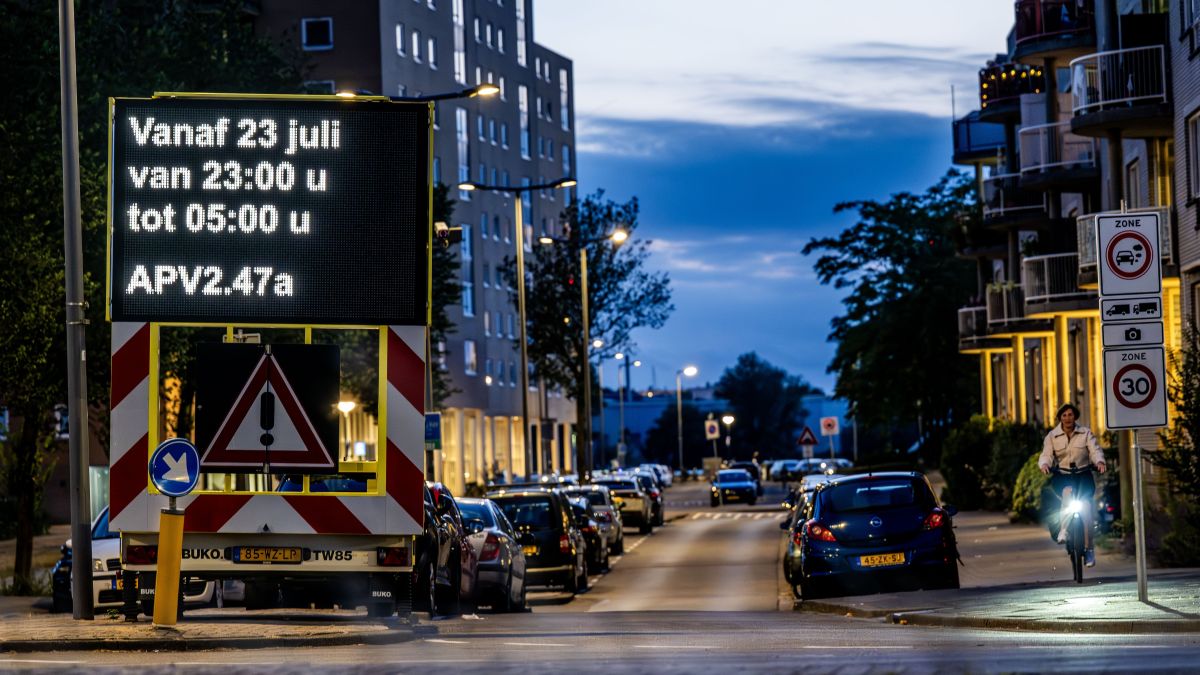
A curfew for anyone without a good reason for being in the area was imposed on July 23, making it an offence to be on the streets from 11pm till 5am. The unprecedented move follows years of persistent anti-social behaviour in the area, usually by people who don’t live there.
Police stopped about 100 people during the first fortnight, though no fines have been issued yet – the penalty is expected to be more than €100.
Quiet nights
“The windows can just stay open all the time,” one resident told broadcaster NOS. “It was very quiet from night one.”
Another resident told regional broadcaster Rijnmond that before the ban she had been kept awake almost every night by shouting and car horns, even with earplugs, and had slept well for the first time in a long while.
The neighbourhood, home to more than 4,000 people, had put up with street races, drug use and prostitution at night for years. Police research found that most of those responsible came from outside De Esch.
Police and the council say the disruption has not moved to other areas, but both note that it is the holiday season and the picture may change.
After October
The ban runs for three months and can be extended by another three after consultation.
The residents’ committee wants the neighbourhood closed at night once it ends, with marshals at the entrances at weekends letting in only people with a reason to be there.
The neighbourhood council, which advises the city, is against that. “It restricts the movement of other Rotterdammers too much,” its chairman Christiaan de Jong told NOS.
He said he hoped instead that behaviour would change and the disruption would be less than before. The council says it is too early to discuss a permanent solution, and that no other part of Rotterdam needs the same measure.
Thank you for donating to DutchNews.nl.
We could not provide the Dutch News service, and keep it free of charge, without the generous support of our readers. Your donations allow us to report on issues you tell us matter, and provide you with a summary of the most important Dutch news each day.
Make a donation