Operation Hellfire: A fun house mirror of international law
Molly Quell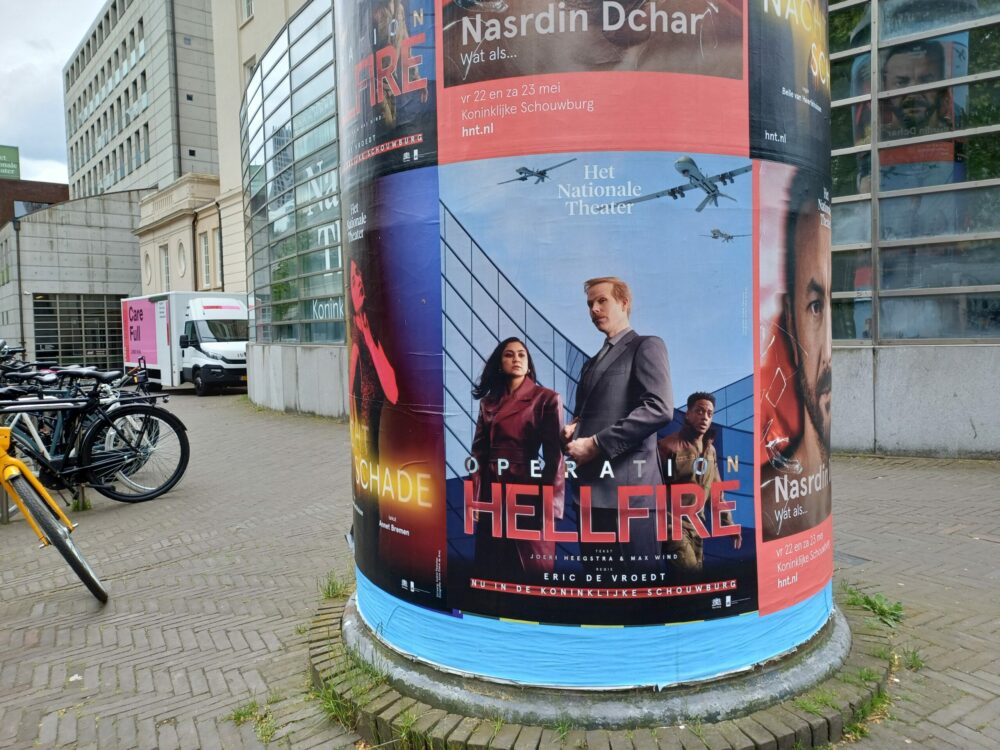
See more DutchNews articles in your Google search results
See more DutchNews articles in your Google search results
Add as a favourite source on Google Add DutchNews as a favourite source on GoogleGiven the current state of affairs of the world, it is rather timely to be contemplating what it would mean for the Netherlands if the International Criminal Court arrested a (former) US president. That is exactly the question Operation Hellfire sets out to tackle. The new play takes on a “worst kaas” scenario for the Netherlands: the activation of The Hague Invasion Act.
Operation Hellfire is the brainchild of Joeri Heegstra and Max Wind, school friends who found success in 2024 with Exit Poll, a political satire that asks another (slightly absurd) question: what happens if everyone casts a blank ballot?
The pair like using an implausible premise to explore the boundaries of the norms and institutions we take for granted.
“It’s more interesting if you show something that kind of resembles, or is like a weird fun house mirror of what you see,” says Wind.
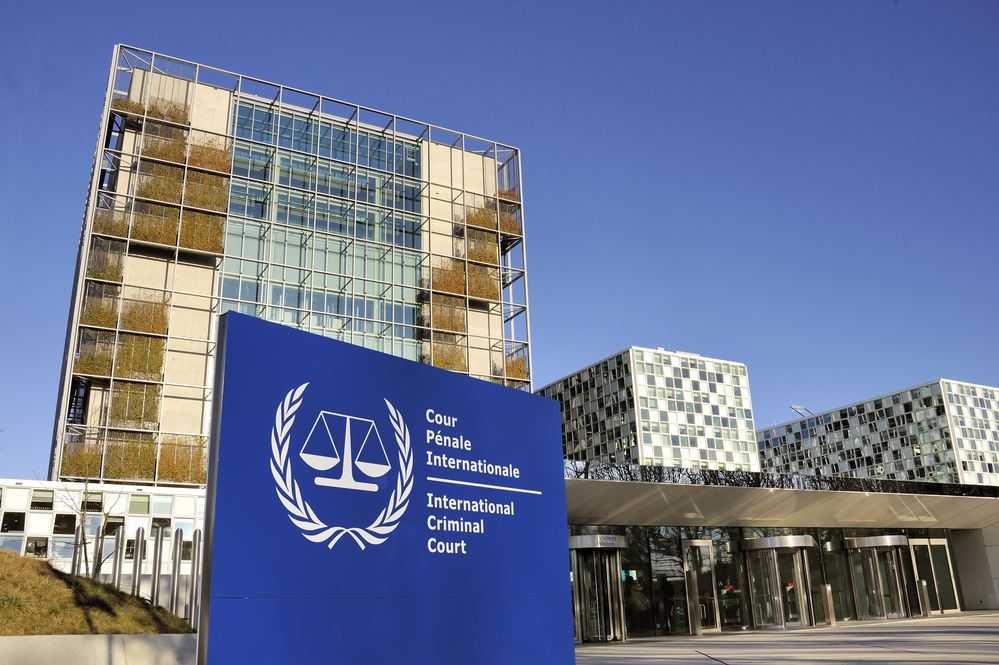
In Operation Hellfire, former US President Barack Obama visits The Hague on the 25th anniversary of the International Criminal Court and, while addressing a crowd of diplomats and politicians, is arrested on a warrant from the court.
The beloved ex-leader is charged with crimes against humanity for the drone programme he oversaw while in office. Specifically, according to the ICC chief prosecutor, the attacks on Yemen.
“Was my speech that bad?” Obama jokes, as he’s taken into custody.
In reality, neither the United States nor Yemen are members of the court, putting the conflict beyond the institution’s jurisdiction.
What is not fiction is The American Service Members’ Protection Act, disparagingly nicknamed The Hague Invasion Act, which authorised the US president to use “all means necessary” to free any American arrested by the court.
Faced with military intervention from the world’s biggest military, the Dutch are forced to grapple with how far they will go to defend their commitment to international justice.
In one scene, the Dutch minister of defence asks, preparing for the American invasion, how many F35 fighter jets the Netherlands has? The head of the military tells him it’s about 25-35. And how many does the US have? The answer is 2,500.
“It’s very comical,” says Wind, “but very effective to drive the point home.”
The play is funny and the sharpest jabs are aimed not at the big bad United States but at the Dutch. As the Americans are invading, a Dutch show programme sets up on the beach to discuss the invasion, not too dissimilar from television programme Op1 airing live from outside the refugee centre at Ter Apel as many were forced to sleep outside due to overcrowding.
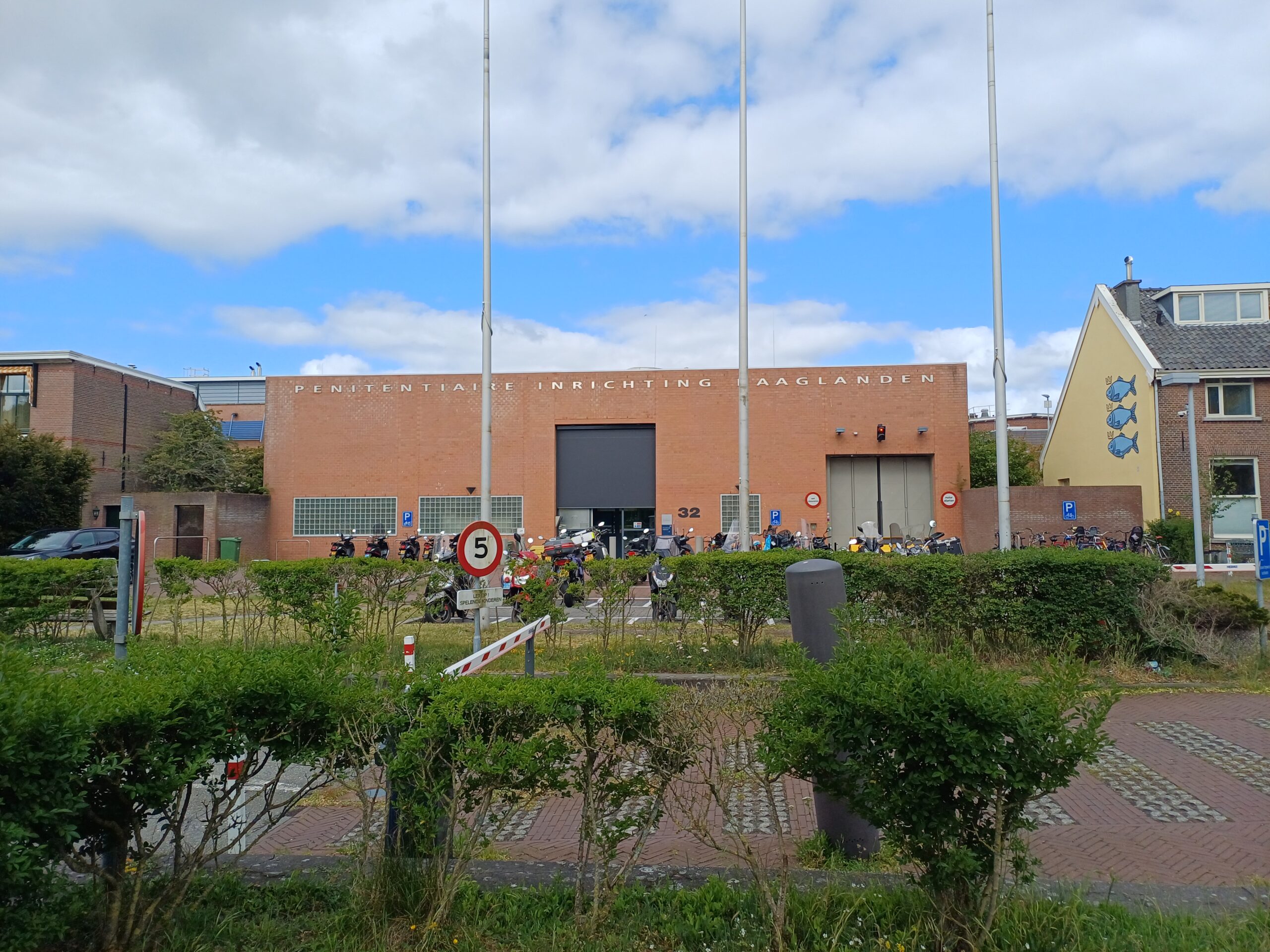
Heegstra and Wind spent a lot of time researching the ICC and the history of international law, watching documentaries, listening to podcasts and even touring the court itself.
“If we deviate from the truth, we find it very important to at least know what the actual situation is,” Heegstra says.
The pair picked the Yemen conflict, which has been raging for more than a decade and has killed nearly 400,000 people according to estimates by the United Nations, in part because it is relatively unknown.
A conflict like Afghanistan, which has been investigated by the ICC, “has been in the news so much, people have their preconceived notions of what it means,” said Wind.
Their audience might not know much about Yemen but it certainly knows a lot about the news and things change quickly. As they were writing the play, actual US president Donald Trump was starting more conflicts and the script needed to be adjusted to reflect reality.
“We were trying to chase the present moment and that’s just not possible because theatre is a very slow medium,” says Wind. The Venezuelan invasion, the conflict over Greenland, and the now ongoing war in Iran were not happening when Wind and Heegstra first began to work on the production.
They tried to strike a balance, of accepting that some parts of the play might not reflect the ever-changing news cycle but also adjusting where they could.
One change had nothing to do with Trump. The play includes a character of a Dutch speed skater who had an especially prominent role at the Winter Olympics, forcing Wind and Heegstra to update some dialogue.
Operation Hellfire is funny and much of the humour comes from commentary on Dutch society and politics, but ultimately the play is grappling with issues much larger than Donald Trump or the International Criminal Court.
“There is this fundamental question of what does international law mean and does it exist if it cannot be applied to everyone?” Heegstra says.
When you’re a country of 18 million with 25 fighter jets (in reality, the Netherlands now has just over 50) facing down a country of 330 million with 2,500 fighter jets, the question isn’t a thought experiment. The characters have to ask themselves how far they are willing to go for their ideals.
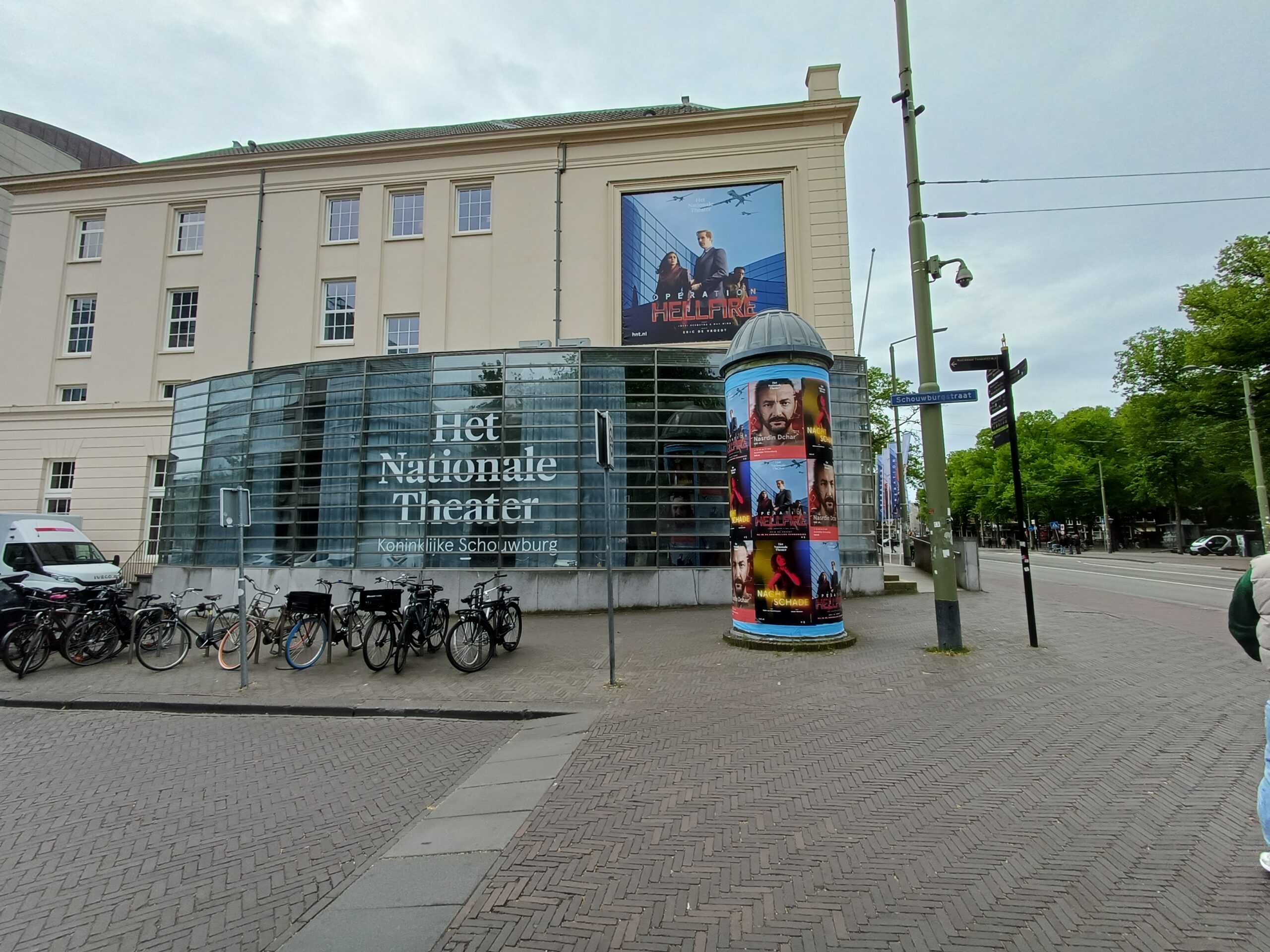
Operation Hellfire is showing at various theatres around the Netherlands until June 13. The play is mostly in Dutch (with sections in both English and French).
Thank you for donating to DutchNews.nl.
We could not provide the Dutch News service, and keep it free of charge, without the generous support of our readers. Your donations allow us to report on issues you tell us matter, and provide you with a summary of the most important Dutch news each day.
Make a donation