Lawyers end four-month high-security jail boycott over cameras
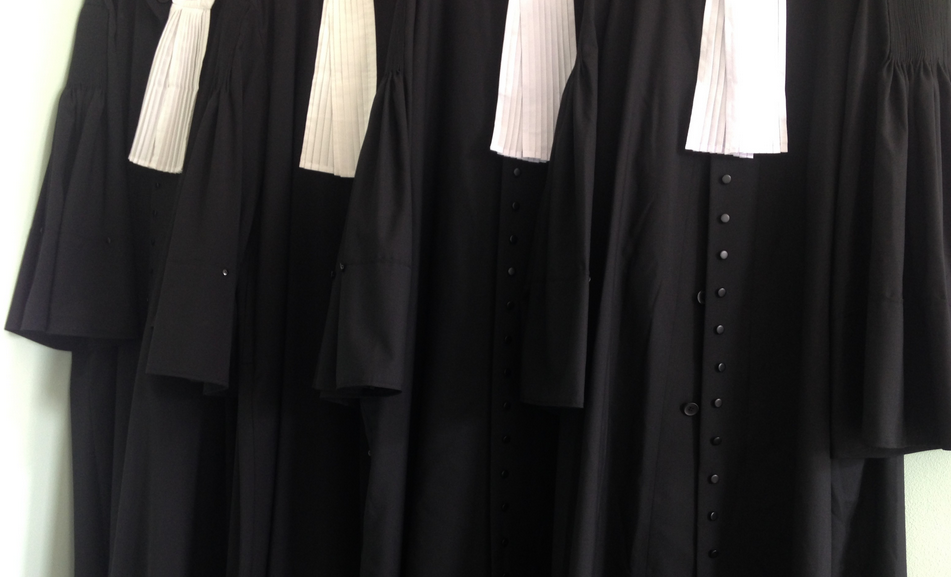
Defence lawyers have ended a four-month boycott of Dutch high security jails in a dispute over the use of cameras to film confidential meetings with their clients.
The lawyers stopped visiting their clients in the maximum security facility (EBI) in Vught and high-security departments in other jails in November, arguing that the filming infringed their privacy.
The jails installed three cameras, one on either side and one directly above the meeting room, allowing guards to monitor the meetings and intervene if they observe suspicious behaviour. The footage is transmitted live without sound.
A group of nearly 50 lawyers protested that the cameras were trained on their and their clients’ faces, despite reassurances that their privacy would be protected. They warned that the presence of permanent cameras had a “chilling effect” on the confidential relationship between lawyers and clients.
In a letter addressed to the presidents of Dutch criminal courts and the public prosecution service, they said: “In the current circumstances it is impossible for us to have detailed conversations about criminal cases in which we are required to provide legal assistance.”
Secret messages
The measures were brought in to step up security amid concerns that some criminals, such as gangland boss Ridouan Taghi, were using meetings with lawyers to pass messages to their contacts on the outside.
Three lawyers who represented Taghi, incluiding his nephew, Youssef Taghi, and Inez Weski, one of the Netherlands’ best-known criminal advocates, were arrested on suspicion of leaking confidential information.
Youssef Taghi was jailed for five and a half years, while Weski, whose trial is due to be heard next month, denies all charges and has filed a formal complaint accusing prosecutors of illegally detaining her at a secret location.
The stoppage has led to delays in a number of high-profile criminal cases. The lawyers said their concerns had not been entirely dispelled, the prison service DJI had promised to commission an independent investigation into the use of video cameras.
The DJI also agreed to reduce the number of frames per second recorded by the cameras to prevent lipreading. The lawyers were also concerned that notes written on the case files could be read by the guards.
Thank you for donating to DutchNews.nl.
We could not provide the Dutch News service, and keep it free of charge, without the generous support of our readers. Your donations allow us to report on issues you tell us matter, and provide you with a summary of the most important Dutch news each day.
Make a donation