Europol rolls up 24 industrial drugs labs across Europe
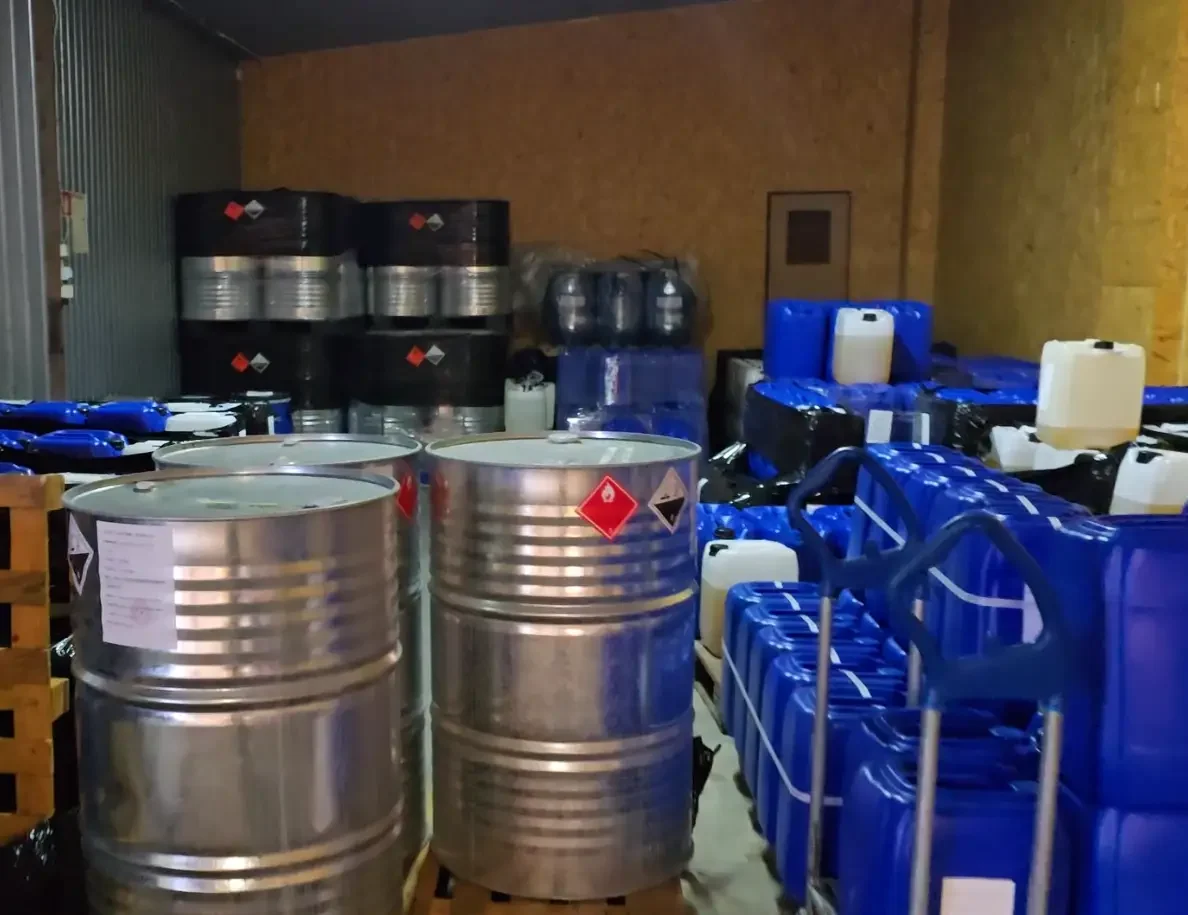
Dutch police and financial investigators were involved in the largest-ever European operation against the production of synthetic drugs, which led to the dismantling of 24 industrial-scale laboratories across the EU, European police agency Europol said on Wednesday.
The year-long investigation, known as Operation Fabryka, targeted a criminal network importing vast quantities of chemicals used to manufacture drugs such as MDMA and amphetamines. Coordinated raids took place on January 16 in several countries, including one in the Netherlands.
Europol said the network may have imported more than 1,000 tonnes of chemicals since 2024, enough to produce an estimated 300 tonnes of synthetic drugs for the European market.
In total, 85 people were arrested across Europe, more than 100 locations were searched and 24 large-scale drug laboratories were dismantled. Investigators also identified 50 delivery locations and 16 storage sites linked to the network.
Seized assets included about €500,000 in cash, vehicles, real estate worth an estimated €2.5 million and more than 120,000 litres of toxic chemical waste.
The criminal organisation relied on a network of legal companies, mainly based in Poland, to import chemicals from China and India. Although the substances are used in legitimate industries, the volumes involved far exceeded normal industrial demand, Europol said.
The chemicals were repackaged and mislabelled before being distributed to illegal laboratories across the EU. Most suspects are Polish nationals, but investigators said Belgian and Dutch nationals were also involved in groups responsible for logistics, money laundering and drug production.
Operation Fabryka is part of a wider Europol taskforce set up at the end of 2024 to combat the growing production and trafficking of synthetic drugs in Europe.
Dutch police dismantled a record number of drugs labs in 2024. In total, police busted 167 labs where cocaine, heroin, amphetamines and other drugs are being made or processed. Of these, 98 were located in apartments or other homes — an increase of around 30%.
Thank you for donating to DutchNews.nl.
We could not provide the Dutch News service, and keep it free of charge, without the generous support of our readers. Your donations allow us to report on issues you tell us matter, and provide you with a summary of the most important Dutch news each day.
Make a donation