DutchNews.nl - DutchNews.nl brings daily news from The Netherlands in English 20 June 2026
Newsletter Donate Advertise
  • News
  • Life in the Netherlands
  • Jobs
  • Partner content
  • Podcast
  • Advertise
  • About us
  • Search
  • Home
  • Economy
  • Politics
  • Art and culture
  • Sport
  • Europe
  • Society
  • Environment
  • Health
  • Housing
  • Education
  • News
    • Home
    • Economy
    • Politics
    • Art and culture
    • Sport
    • Europe
    • Society
    • Environment
    • Health
    • Housing
    • Education
  • Life in the Netherlands
    • Latest
    • Opinion
    • Books
    • Travel
    • 10 Questions
    • Learning Dutch
    • Inburgering with DN
    • Food & Drink
    • Ask us anything
  • Jobs
  • Partner content
  • Podcast
  • Advertise
  • About us
    • Donate
    • Team
    • Advertise
    • Contact us
    • Writing for Dutch News
    • Privacy
    • Newsletter
  • Search

Action needed to combat raccoon plague, Limburg province says
June 19, 2026
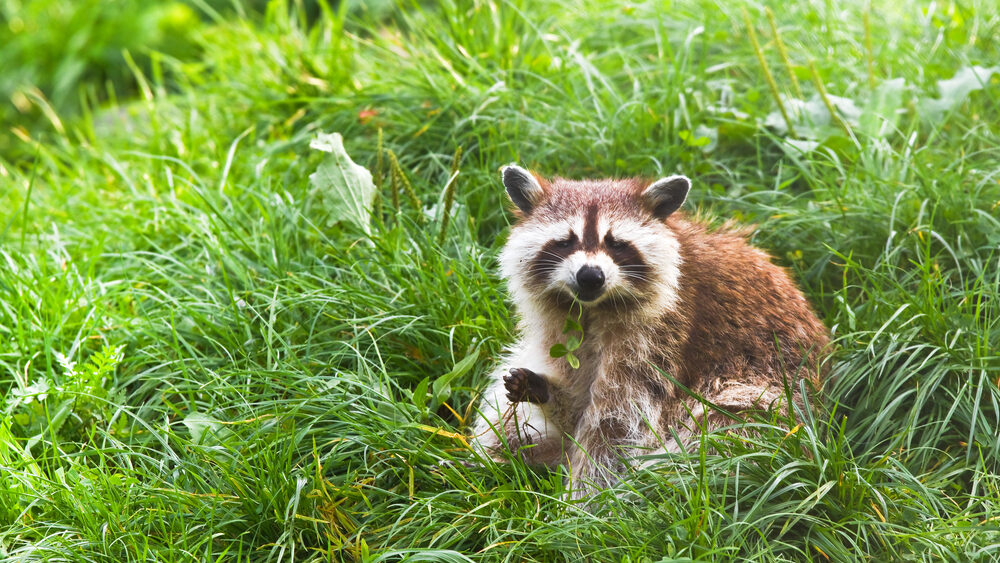
Common raccoon or Procyon lotor sitting on grass holding clover

See more DutchNews articles in your Google search results

See more DutchNews articles in your Google search results

Add as a favourite source on Google Add DutchNews as a favourite source on Google

Tough action is needed to stop the spread of raccoons, which threaten to become a serious problem nationwide, officials in Limburg say.

The province is currently home to an estimated 100 to 200 raccoons and some 400 have been killed since 2019. Officials say that although their number is not increasing quickly at the moment, this will change if more efforts are not made to eradicate them from the region.

The province has a budget of €750,000 up to 2030 to combat their spread, including a hotline to report sightings and a professional team of hunters.

National government plans include the total eradication of the raccoon by 2027 and an end to the influx from Belgium and Germany. But Germany and Belgium need to do more to combat the spread of the mammal within their boundaries, provincial officials say.

“Not many people know there are over 1.5 million raccoons in Germany, and they can no longer get rid of them,” provincial councillor Léon Faassen told broadcaster NOS. “In Belgium there are tens of thousands. We are not that bad yet, but it is just a matter of time.”

Raccoons were brought to Europe 50 years ago for their fur and are also kept as pets. The Limburg population probably originated in Germany.

Share this article Add DutchNews to Google
  • Facebook
  • Twitter
  • LinkedIn
  • Reddit
  • Copy URL
Animal welfare Limburg
Thank you for donating to DutchNews.nl.

We could not provide the Dutch News service, and keep it free of charge, without the generous support of our readers. Your donations allow us to report on issues you tell us matter, and provide you with a summary of the most important Dutch news each day.

Make a donation
Latest
Show more
One dead and widespread damage after night of storms
Employers not happy with Dutch cabinet performance so far
Girl arrested in parents’ murder probe “sent photos to friends”
Care homes went without masks for months, covid inquiry told
Off the stoop: limping along Leiden’s overcrowded pavements
NewsHomeEconomyPoliticsArt and cultureSportEuropeSocietyEnvironmentHealthHousingEducation
Life in the NetherlandsLatestOpinionBooksTravel10 QuestionsLearning DutchInburgering with DNFood & DrinkAsk us anything
Partner content
Advertise
About usDonateTeamAdvertiseContact usWriting for Dutch NewsPrivacyNewsletter
© 2026 DutchNews | Cookie settings

Help us to keep providing you with up-to-date news about this month's Dutch general election.

Our thanks to everyone who donates regularly to Dutch News. It costs money to produce our daily news service, our original features and daily newsletters, and we could not do it without you.

If you have not yet made a donation, or did so a while ago, you can do so via these links

The DutchNews.nl team

Donate now

Dutchnews Survey

Please help us making DutchNews.nl a better read by taking part in a short survey.

Take part now