Defence minister calls Russia “the enemy”, but policy unchanged
See more DutchNews articles in your Google search results
See more DutchNews articles in your Google search results
Add as a favourite source on Google Add DutchNews as a favourite source on GoogleDefence minister Dilan Yeşilgöz has started calling Russia “the enemy” rather than “the aggressor”, but says the change in wording does not mean any immediate change in national security policy.
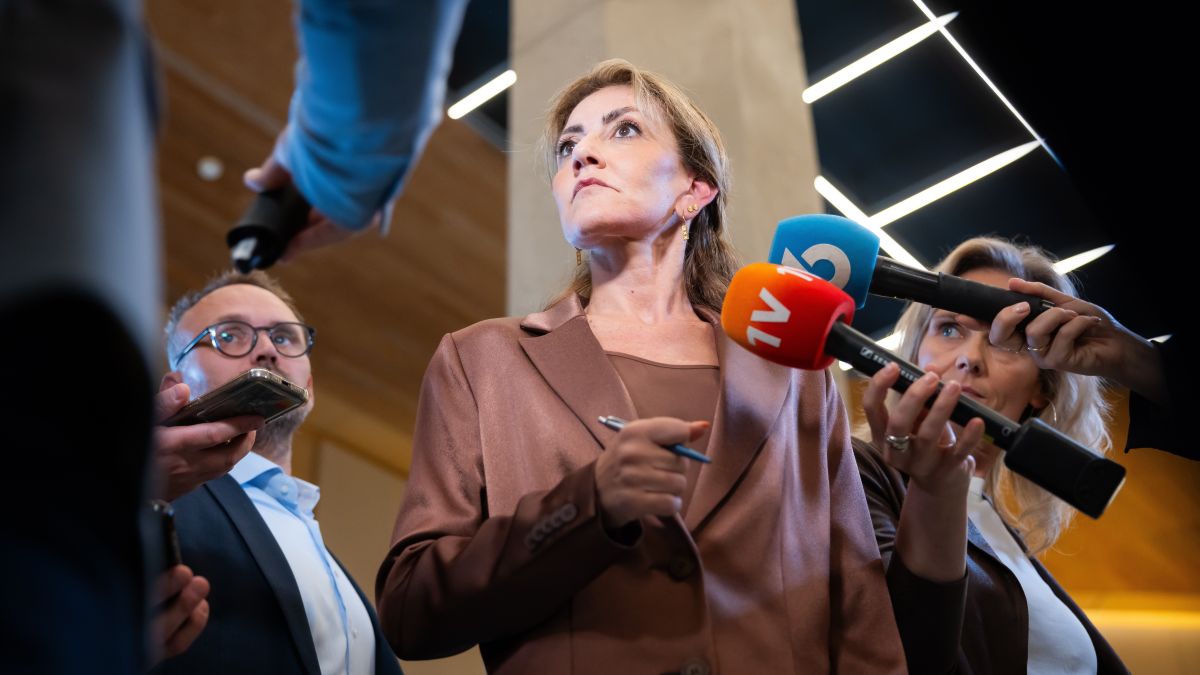
The right-wing liberal VVD minister used the term during Thursday’s parliamentary debate on the defence budget. In a break in the debate, she told public broadcaster NOS that a rise in sabotage, drone incidents and intimidation in Europe meant the threat should be named plainly.
“It is very clear that Russia is presenting itself as the enemy,” she said. “That does not mean we are at war or that we will suddenly take a completely different approach.”
In August, the cabinet published a draft law that would give the domestic intelligence service AIVD and military intelligence service MIVD sweeping new powers against Russia, China and Iran.
A “new reality”
Yeşilgöz said Russia had long been the biggest threat to Europe, but the danger had grown into what she called a “new reality”. “Putin is testing how strong our alliance is,” she said. She added that experts had advised her to call things what they are.
The policy of investing more in defence and working closely with European allies has been in place since Russia invaded Ukraine, she said. “We were not naive before and we will not become naive now.”
In April, the AIVD said in its annual report that national security was under more pressure than at any time since the Second World War.
Oversight concerns
Under the draft law, the intelligence services would be able to designate “evident adversaries”, such as a Russian intelligence agency, and act against anyone believed to be working for them without asking a watchdog for permission first. A single new regulator would check afterwards whether the action was lawful.
The services would also be able to demand information from organisations such as banks, universities and online platforms.
The independent watchdogs that currently oversee the AIVD and MIVD have strongly criticised the plans. Hugo Hillenaar, who chairs the intelligence review committee CTIVD, told NOS last month that the changes could threaten the democratic rule of law itself.
Thank you for donating to DutchNews.nl.
We could not provide the Dutch News service, and keep it free of charge, without the generous support of our readers. Your donations allow us to report on issues you tell us matter, and provide you with a summary of the most important Dutch news each day.
Make a donation