The Hague’s historic jenever distillery is fighting for its life
Brandon Hartley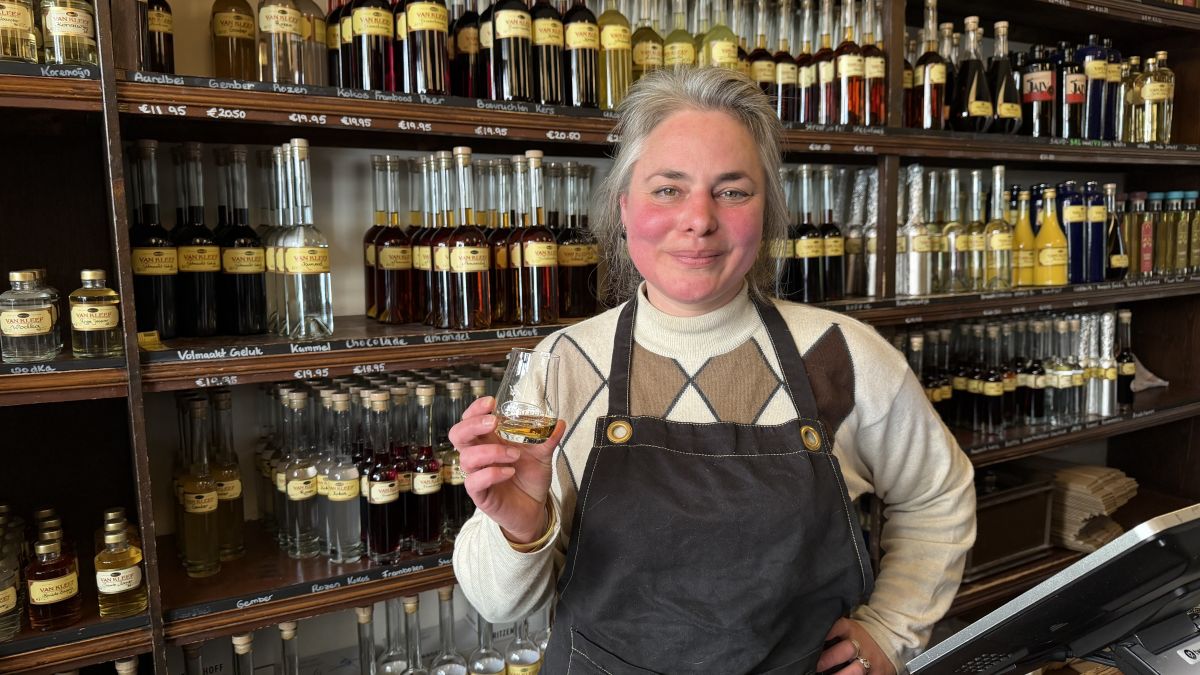
See more DutchNews articles in your Google search results
See more DutchNews articles in your Google search results
Add as a favourite source on Google Add DutchNews as a favourite source on GoogleThe iconic Van Kleef Distillery dates back to 1776. It’s faced countless challenges since then, but the latest round could force it to close or substantially change.
For over two centuries, the Van Kleef Distillery in The Hague has been mixing up unique liqueurs and genever made with time-tested recipes. Vincent van Gogh is one of the customers known to have sampled its spirits.
Despite its rich history and status as the last remaining distillery in the city, owner Fleur Kruyt says Van Kleef is currently facing a series of setbacks that could shut down its long-time location on the Lange Beestenmarkt.
“Right now I have the same colour hair as my grandmother at the age of 96,” she told DutchNews during an interview in the distillery’ tasting room.
Kruyt has spent the past several years trying to come up with solutions to appease her landlord and city officials as she strives to expand Van Kleef’s operations, modernise its museum, and, more than anything else, prevent its doors from closing altogether.
It’s all enough to turn the hair of even the most steadfast and indomitable of small business owners completely white.
But these challenges are only the latest in Van Kleef’s tumultuous history. Over the years, it’s contended with the sudden death of an owner, a crime wave, overzealous safety inspectors, and the Covid pandemic.
The first few centuries
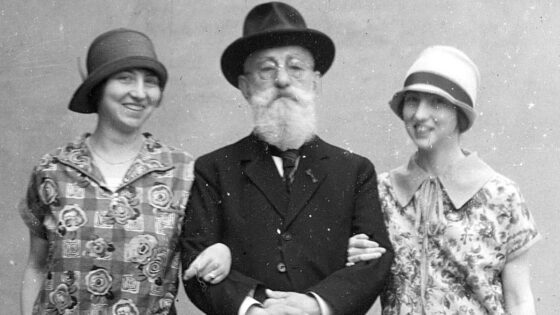
The distillery dates all the way back to the late 18th century. It originally opened in 1776 as Distilleerderij “Anker” before being taken over by the Van Kleef family in 1842.
Kruyt is convinced Van Gogh stopped by at least once. The famous artist may have even been a regular given his proclivities. He lived down the street from 1869 to 1873 and spent those years working at Goupil & Cie, an art business in The Hague owned by his uncle.
Along with the rest of the Netherlands, the distillery managed to endure the impacts of the Spanish flu pandemic and two World Wars, but it was a safety inspection in 1986 that came much closer to shutting it down.
Explosive concerns
The officials declared the 40,000 litres of alcohol sitting in the distillery’s vats were a huge safety risk that made it an almost literal ticking time bomb. They decided it was no longer safe to distill alcohol on the property.
At the time, Van Kleef was teetering on the edge of bankruptcy. The surrounding neighbourhood was considered a “no-go zone” for many of the city’s residents and the distillery wasn’t getting much foot traffic.
“If you walked these streets as a woman at night back then, you were either a prostitute or tired of your life,” Kruyt said. “There was lots of criminality. No one came here anymore.”
After much discussion and planning, production was moved off site. The building itself was purchased by a local development company called Stadsherstel Den Haag and Van Kleef officially became a tenant in its long-time home.
The books were eventually balanced after it attained historical status and Van Kleef finally reopened as a multipurpose operation in 1995. Along with the museum and a tasting room, Van Kleef’s liqueurs are bottled and labelled there to this day.
Even more setbacks
The construction of a tram tunnel and the redesign of the street out front dragged on for over a decade and further drove customers away.
The distillery’s revenue dropped by 80% when the city began installing barriers around the neighbourhood to discourage auto traffic in 2009. Its suppliers and customers had to navigate a maze every time they tried to go there.
Kruyt, who was operating Van Kleef with her husband Louis Centazzo at the time, was forced to use their house as collateral on a loan to keep it open. Then he suddenly died in 2015, leaving her to manage the distillery on her own.
Foreclosure followed and Kruyt moved into an apartment on the property. The hits kept coming as gentrification quickly transformed the neighbourhood and raised the distillery’s monthly rent along with it.
Then the Covid crisis began, which forced Van Kleef to shut down its tasting room. Undaunted, Kruyt and her crew came up with clever ways to ensure revenue would keep coming in.
She joked that “booze was declared a necessity” during the pandemic. Kruyt developed a “vaccine” after inspiration struck while she was giving her dog injections for arthritis. “The Van Kleef Vaccine” is a mix of Limoncello, Vitamin C, and ginger-infused liqueur.
At first, Kruyt fretted that it wouldn’t go over well with customers who had spent weeks social distancing and worrying they’d be the next ones to catch Covid. Those fears proved unfounded.
“And the first people who bought it? Doctors and pharmacists,” she recalled. “They found it really cool. I thought, ‘If these people find it funny, I don’t care about the rest!’”
A “ginitiser” sold in spray bottles soon followed. It, too, was a hit.
The current dilemmas
“We’ve always managed and, whenever I feel bad, I turn on the television and see how it could be a lot worse,” Kruyt said before discussing the latest round of threats to the distillery.
The city’s decision to impose a flat €50-a-day parking fee has taken another bite out of Van Kleef’s revenue. The policy was so controversial it was even covered by The Guardian in 2023. If all this wasn’t enough, Kruyt broke her ankle while on a summer holiday and the recovery process required several surgeries.
Determined to keep the distillery where it’s been for over 200 years, Kruyt has been combating another wave of financial woes coupled with bureaucratic headaches, soaring energy bills, and other increased costs. Even the price of the glass that goes into Van Kleef’s bottles has gone up recently.
A crowdfunding campaign has been underway since 2025. Plans were also made to expand operations to attract more visitors, but negotiations with Stadsherstel Den Haag have proven challenging.
After over two years of discussions about everything from the future of the museum to renovations for the apartments on the property, Kruyt said the situation has been handed over to a new director named Jan-Willem de Bruijn.
“Stadsherstel Den Haag is currently taking a comprehensive look at the complex,” De Bruijn told DutchNews. “This means that, in addition to the shop and the tasting room, we are also focusing on the redevelopment of the museum and garden as well as upgrades in the apartments. In doing so, we aim to invest sustainably in the preservation of this unique and characteristic part of The Hague.”
Delays with permitting haven’t helped. DutchNews contacted the office of Alderwoman Saskia Bruines for comment about this and other matters concerning the distillery, but had not received a response as of press time.
Fighting onward
Regardless of what happens next, Kruyt says Van Kleef will continue in one form or another, even if that means turning it into a distillery-and-wholesaler-only operation at a facility closed to the public and likely located on the outskirts of The Hague.
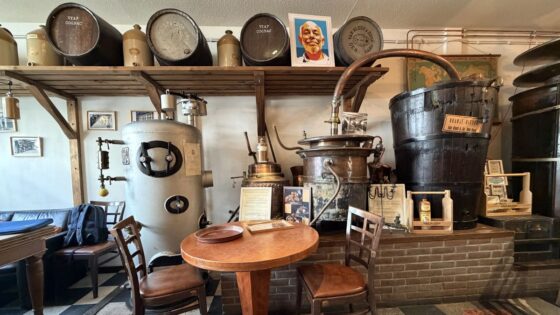
“But all of this history would go away,” she said as she gestured towards the centuries-old equipment in Van Kleef’s museum.
Takeaway liqueurs and tastings have covered the costs of maintaining the distillery’s historical inventory, but the current circumstances have made that impossible to continue. As Kruyt faces another round of discussions with Stadsherstel Den Haag, she’s determined to stay optimistic.
“We met with Jan-Willem a few weeks ago,” she said. “We’re really happy that he is taking everything seriously and trying to preserve the heritage that we have here.”
Still open for business
Visitors to Van Kleef can currently visit the small museum, enjoy drinks and snacks in its tasting room, host gatherings in a former storage cellar turned conference room, and purchase bottles of liqueurs made with recipes that date back to the 17th century.
Among them is Bridal Tears, which contains flakes of 24-carat gold. It was once a popular wedding gift. The bawdy tales and traditions surrounding it and two accompanying liqueurs could fill an entire book.
In an age of alcoholic beverages with preservatives and other ingredients that are difficult to describe, let alone pronounce the names of, Van Kleef is still doing things the old-fashioned way.
“All of our recipes have been preserved,” Kruyt said. “We have an archive full of them that began in the 1840s. Everything you’re tasting is real in the sense that there’s no artificial flavouring or colourings.”
The distillery continues to attract international visitors and aficionados of liqueurs. Kruyt said a few of them are household names, but she demurred when asked for the details.
“What happens at Van Kleef, stays at Van Kleef,” she said. “So any celebrities out there, you can come here and we won’t talk about you.”
Thank you for donating to DutchNews.nl.
We could not provide the Dutch News service, and keep it free of charge, without the generous support of our readers. Your donations allow us to report on issues you tell us matter, and provide you with a summary of the most important Dutch news each day.
Make a donation