No more “shame lips”: Dutch dictionary adds new word for labia
See more DutchNews articles in your Google search results
See more DutchNews articles in your Google search results
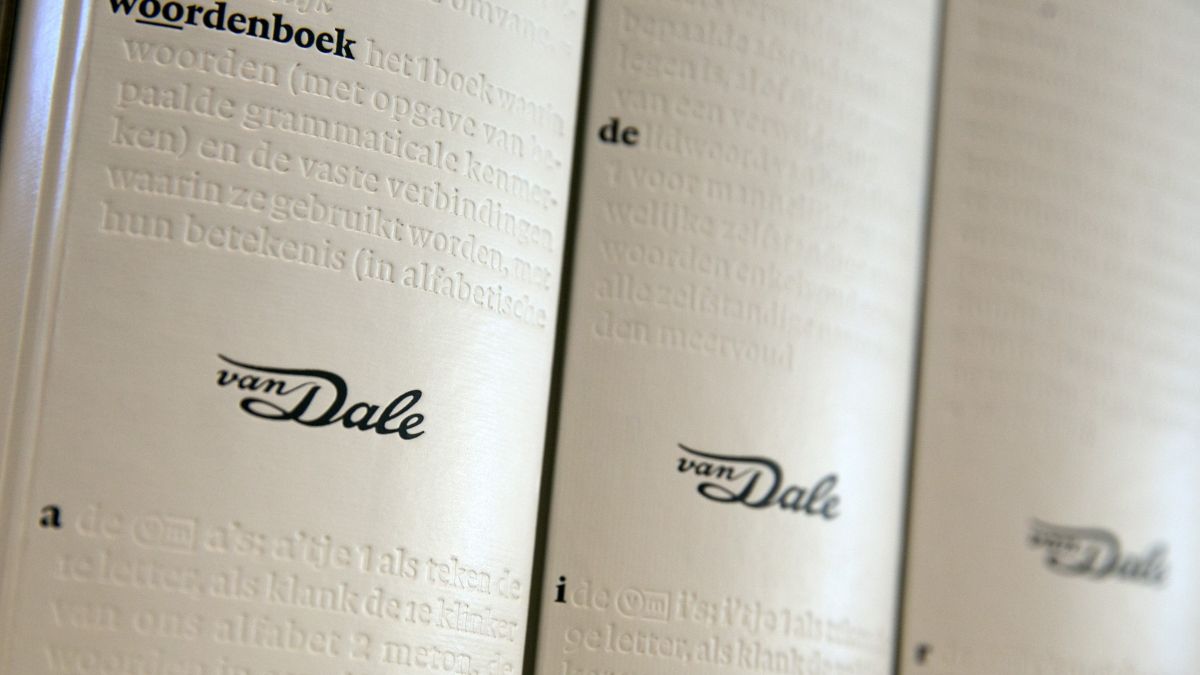
Add as a favourite source on Google Add DutchNews as a favourite source on GoogleWomen’s rights groups are applauding the latest addition to the definitive Dutch dictionary Dikke Van Dale of the word labia: vulvalippen, added alongside the word schaamlippen.
While both words mean labia, the old schaamlippen translates as “shame lips”, which the organisations say is stigmatising as compared to the more neutral “vulva lips”.
“We should just mention these parts in our education with children and young people,” artist Esther van der Valk told broadcaster NOS. “People now know that this is a normal word, and with that we can break the taboo.”
Van der Valk is a member of Dolle Mina, the women’s rights group that was founded in the Netherlands in 1969 and has been advocating for the inclusion of vulvalippen in the Dutch dictionary to counter stigmatisation. They’re joined by Schaamteloos, a more recent campaign seeking to change language and attitudes regarding female anatomy.
Body positive
While schaamlippen will remain in the dictionary, the addition of vulvalippen means the word gets official Dutch language status – proof, say the activists, that the normalisation of sexuality via language can be achieved if enough people want it.
Schaamlippen is not the only word where shame is embedded in its name. There’s schaamhaar – “shame hair” – which is the name for pubic hair, schaambeen (shame bone) for pubic bone and even schaamstreek (shame area) for pubic area.
But Schaamteloos says it had to start somewhere, so it picked schaamlippen. “Everyone has pubic hair, a pubic bone, and a pubic area,” says the group, but “only half of us have labia – or ‘shame lips’ … which adds to a disproportionately large amount of trouble due to the taboo on talking about this.”
While some doctors and even the media have taken to using vulvalippen, it’s not yet part of the everyday Dutch vernacular.
That may change when the new anatomically correct word is included in the Dikke van Dale. That’s expected to happen during its next online update, likely this Autumn.
Thank you for donating to DutchNews.nl.
We could not provide the Dutch News service, and keep it free of charge, without the generous support of our readers. Your donations allow us to report on issues you tell us matter, and provide you with a summary of the most important Dutch news each day.
Make a donation