Dutch media attack “chilling” fines for slimming drugs coverage
See more DutchNews articles in your Google search results
See more DutchNews articles in your Google search results
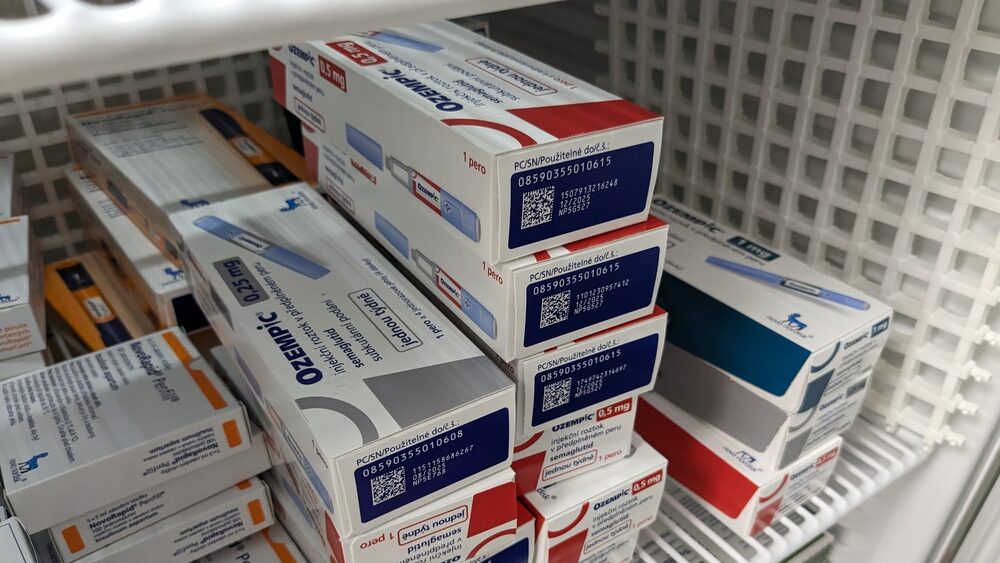
Add as a favourite source on Google Add DutchNews as a favourite source on GoogleDutch media companies have been hit with fines running into the tens of millions of euros after inspectors ruled that their reporting on weight loss drugs such as Ozempic amounted to advertising.
Editors described the penalties, issued by the health department’s inspectorate IGJ, as “bizarre” and an attack on press freedom.
The verdicts covered newspapers across the range and political spectrum of Dutch media including NRC, the Volkskrant, the Telegraaf and AD.
The inspectors said the coverage of medicines such as Ozempic, Wegovy and Mounjaro was too positive because it reported that the benefits of the drugs went beyond treating diabetes, the only condition they are prescribed for in the Netherlands.
The Dutch Medicines Act bans advertising for prescription medicines. The IGJ said it had issued around 20 fines between 2023 for breaching the law, not just to media companies.
Science reporting
The inspectorate would not go into individual cases, but DPG Media, one of the two main news publishers in the Netherlands, said it had been fined €48,500 in April for two articles in local newspaper De Stentor and lifestyle magazine Flair, and another €51,000 this month for articles in the Volkskrant and AD.
Mediahuis was fined a total of €132,000 this month for articles in NRC’s science section and the Telegraaf.
The IGJ said: “We weigh up the facts carefully in each case, including the interests of patients. In the case of media coverage we look at the whole picture: content, context, images and audio. It’s not a tick list.”
The journalists’ union NVJ said it was “shocked” that the inspectorate had imposed fines on reporters “who regularly write about medicines and have no other interest than informing the public.”
General secretary Thomas Bruning called for talks with the health ministry to discuss the sanctions. “This makes it impossible for journalists to report on this subject in a normal fashion,” he said. “We are taking it very seriously.”
Press freedom
Pieter Klok, editor of the Volkskrant, said he respected the ban on advertising and the IGJ’s right to enforce it. “But I don’t think it should be applied to journalism, unless you can show it’s been paid for,” he said.
Telegraaf editor Kamran Ullah said it would have a “huge chilling effect” on journalists reporting on health issues.
“That goes not just for large news organisations like us, but maybe even more for smaller titles and freelancers. Big publishers can pay these fines, but a fine of more than €100,000 is the equivalent of two journalists’ annual salary.
“That’s a real infringement of press freedom, because if we have to pay these fines, we can’t employ as many journalists.”
Thank you for donating to DutchNews.nl.
We could not provide the Dutch News service, and keep it free of charge, without the generous support of our readers. Your donations allow us to report on issues you tell us matter, and provide you with a summary of the most important Dutch news each day.
Make a donation