More sluice gates close but no national drought measures yet
See more DutchNews articles in your Google search results
See more DutchNews articles in your Google search results
Add as a favourite source on Google Add DutchNews as a favourite source on GoogleNo national drought restrictions will be imposed immediately despite coastal water boards taking steps to keep sea water out of river mouths and the Rhine dropping to its lowest ever level.
At a weekly meeting to discuss the ongoing water shortage, regional authorities agreed to work together to ensure the “most efficient distribution possible” of water and announced local measures to protect drinking water.
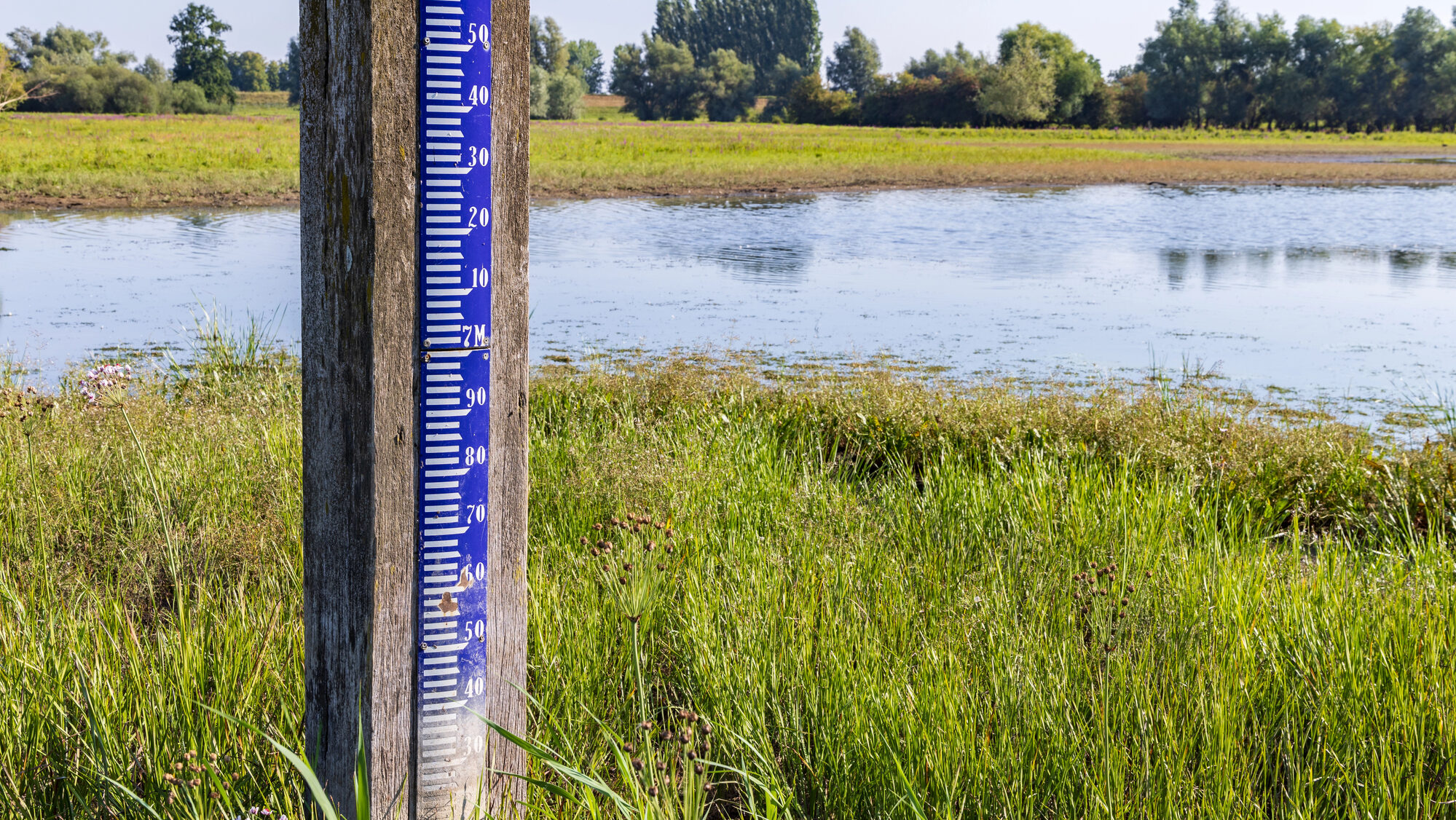
The flow of the Rhine at Lobith, the point where the river crosses the Dutch border, has dropped to less than 700 m3 per second, one-third of its normal level for July and an unprecedentedly low rate.
River cruise operators have had to cancel or shorten their excursions on the Rhine, while water authorities are considering introducing restrictions such as one-way traffic to prevent ships becoming stuck in the shallow water. Such measures would extend delivery times or force freight companies to transport cargo by road.
The Netherlands is currently at level two on a three-stage scale of water shortages, which authorises officials in the ministry to hold crisis talks. An actual crisis is level three.
The canal locks at Eefde, which gives access to the Twentekanaal, closed for the first time because of drought on Friday. Local businesses say the closure of the sluice gates, which carry 15,000 to 20,000 ships a year, will have an impact on the economy around Almelo, Enschede and Hengelo.
Harsh measures
“We understand this is necessary for security, but it’s a harsh measure,” said Frank van Zomeren. manager of the Port of Twente Bornebroek.
Deventer is closing its harbour to shipping this weekend for the first time in eight years because the IJssel has dropped below safe levels.
In the west, Delfland water authority has restricted the opening of the Parksluizen gates between the Nieuw Maas and the Schie to prevent sea water encroaching on the river mouth.
Sluice gates at Maassluis, Schiedam and Vlaardingen were closed last week. Other authorities are also imposing restrictions to prevent drinking water becoming contaminated.
Recreational swimmers have been warned to look out for blue-green algae, technically known as cyanobacteria, which grows faster in warm water and can cause skin irritation or sicknesses such as diarrhoea if swallowed.
Thank you for donating to DutchNews.nl.
We could not provide the Dutch News service, and keep it free of charge, without the generous support of our readers. Your donations allow us to report on issues you tell us matter, and provide you with a summary of the most important Dutch news each day.
Make a donation