Tax office delays new VAT system to take control from US firms
See more DutchNews articles in your Google search results
See more DutchNews articles in your Google search results
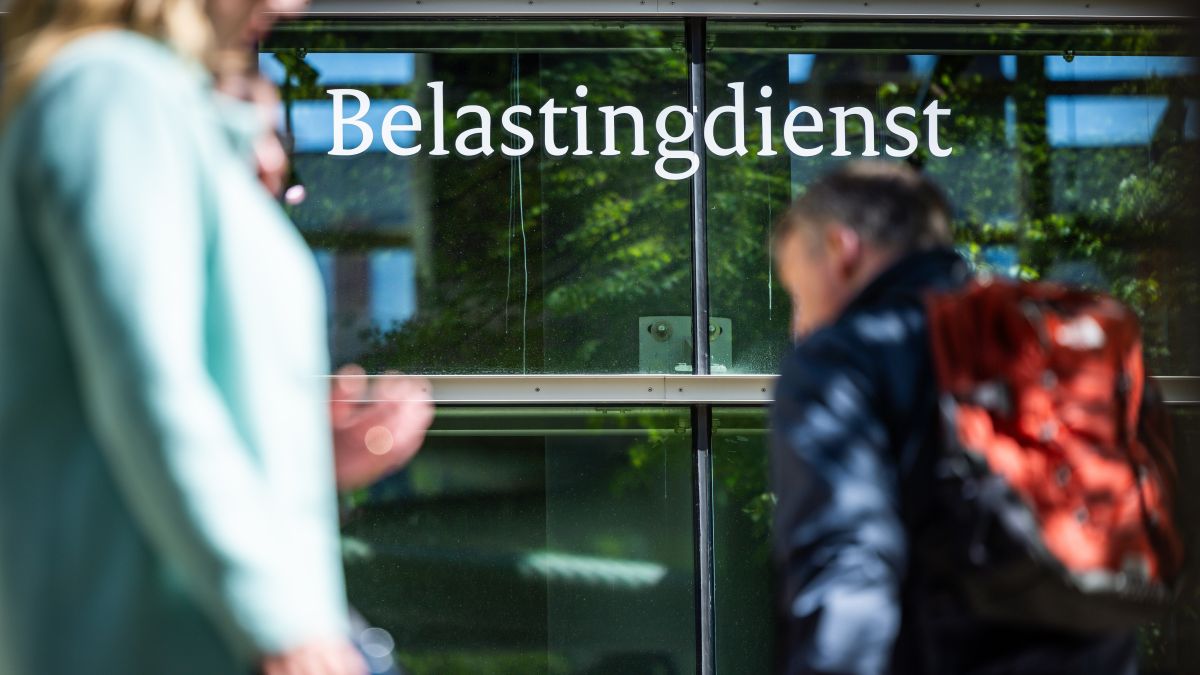
Add as a favourite source on Google Add DutchNews as a favourite source on GoogleThe tax office (Belastingdienst) is postponing part of the rollout of its new VAT system so it can take over the hosting and management of the American-built software from its supplier, as part of a wider drive to cut its dependence on US technology.
Junior finance minister Eelco Eerenberg set out the plans in a letter to MPs on Thursday, saying he wants the tax office to become the “frontrunner” in digital autonomy across central government.
The strategy rests on building and managing more IT in-house, expanding the tax office’s own data centre capacity, making greater use of open source software, and adjusting projects already under way.
The most concrete change concerns the new VAT system, which was awarded to American firm Fast Enterprises in March 2025 and became politically contentious after Donald Trump returned to the White House.
Critics warned the US government could gain access to Dutch taxpayers’ data or pressure the company to switch off a system that collects tens of billions of euros a year. Eerenberg told MPs in March that cancelling the contract would cost the state some €200 million.
Servers in Apeldoorn
Instead, the tax office will take over the hosting itself. The servers will sit in its own data centres and be run by its own staff rather than the supplier’s, the channel through which software updates are installed will come under the tax office’s control, and legal measures have been taken to secure access to the source code.
The shift means the first part of the rollout, covering VAT refunds, will no longer launch on July 1 as planned. Businesses face no extra costs as a result of the delay, the letter says, and the switchover for domestic VAT in July 2027 is unaffected for now.
“Society and technology are changing at high speed and do not stop at the border,” Eerenberg said in a statement. “My aim is for the tax office to be able to make its digital choices as independently as possible.”
Microsoft and DigiD
The tax office has been at the centre of the debate about Dutch reliance on American tech. It pressed ahead last October with moving its email and office software to Microsoft 365 despite MPs’ concerns, while the takeover of DigiD cloud supplier Solvinity by US firm Kyndryl prompted the government to sign a framework deal with German provider StackIT in April.
Eerenberg concedes that full independence is not realistic. “The tax office will remain dependent on non-European technology in the years ahead, certainly in its infrastructure,” he said. “That is no different for other large organisations in our country.”
A European tender for a new contact centre system, which handles calls and counter visits from the public, is still running. The outcome will be tested against the new autonomy principles, the ministry says, and the tax office “will not accept risks that are irresponsible for the data of citizens and businesses”.
Thank you for donating to DutchNews.nl.
We could not provide the Dutch News service, and keep it free of charge, without the generous support of our readers. Your donations allow us to report on issues you tell us matter, and provide you with a summary of the most important Dutch news each day.
Make a donation