NL is main EU importer of illegal Israeli settlement produce
See more DutchNews articles in your Google search results
See more DutchNews articles in your Google search results
Add as a favourite source on Google Add DutchNews as a favourite source on GoogleThe Netherlands is the main gateway for produce grown in illegal Israeli settlements and sold in the EU, according to a report published on Wednesday, less than a month after the Dutch cabinet said it would ban trade in goods from the occupied territories.
At least €13.1 million worth of settlement produce was falsely declared as Israeli to claim EU tariff discounts over the past eight years, according to legal organisation Global Echo, which litigates on behalf of Palestinians.
The Netherlands accounted for a third of all the shipments it documented, nearly half of which were bound for other EU countries.
Global Echo analysed nearly 6,000 shipments of dates, citrus fruit, tahini and other produce sent from Israel to Europe between 2017 and 2026. One in five shipments bound for the EU contained goods grown in settlements in occupied Palestinian or Syrian territory, most of them sold as “Product of Israel”.
“Meaningless” tariffs
The EU considers the settlements illegal under international law, and goods produced there cannot be labelled as Israeli or qualify for the tariff discounts Israel gets under its trade agreement with the EU.
Even when customs officials refuse the discount, the Israeli government reimburses exporters for the difference, paying out at least €63 million between 2005 and 2024 and “rendering tariffs on settlement products practically meaningless”, the report said.
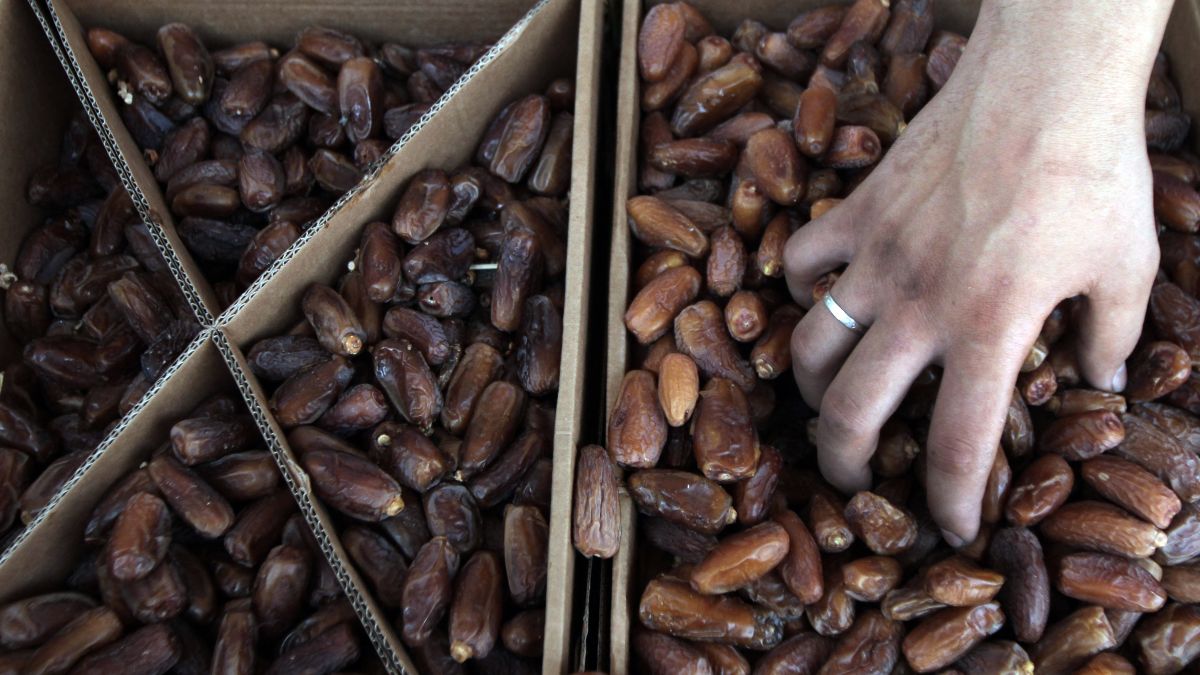
The Netherlands is the biggest European importer of Israeli dates, taking 30% of the total, and dates were the most affected product: 37% of the date consignments reviewed by Global Echo came from settlements, worth €28.8 million.
In one case, Israeli exporter Medjool Plus declared 4,000 kilos of organic dates shipped to the Netherlands in January 2025 as eligible for preferential treatment, although the report says they were grown in the occupied West Bank. The company denied breaching EU or Dutch rules in a response to Global Echo.
Trade ban
The findings come as the government is drafting legislation for the three-year import ban announced by prime minister Rob Jetten in May. Foreign minister Tom Berendsen and trade minister Sjoerd Sjoerdsma have already warned MPs that enforcing the ban will be difficult.
“The Netherlands is an extremely important gateway for goods from illegal settlements entering the EU,” Global Echo director Emily Schaeffer Omer-Man told the NRC. “This means the trade ban could have major consequences for the whole EU.”
The International Court of Justice ruled in 2024 that the Israeli occupation of Palestinian territory is illegal and that states, including the Netherlands, must refrain from trade that helps sustain it. Global Echo said it is preparing legal action against EU customs authorities, importers and certifiers.
Thank you for donating to DutchNews.nl.
We could not provide the Dutch News service, and keep it free of charge, without the generous support of our readers. Your donations allow us to report on issues you tell us matter, and provide you with a summary of the most important Dutch news each day.
Make a donation