Jetten likely to apologise to Moluccans at unveiling of monument
See more DutchNews articles in your Google search results
See more DutchNews articles in your Google search results
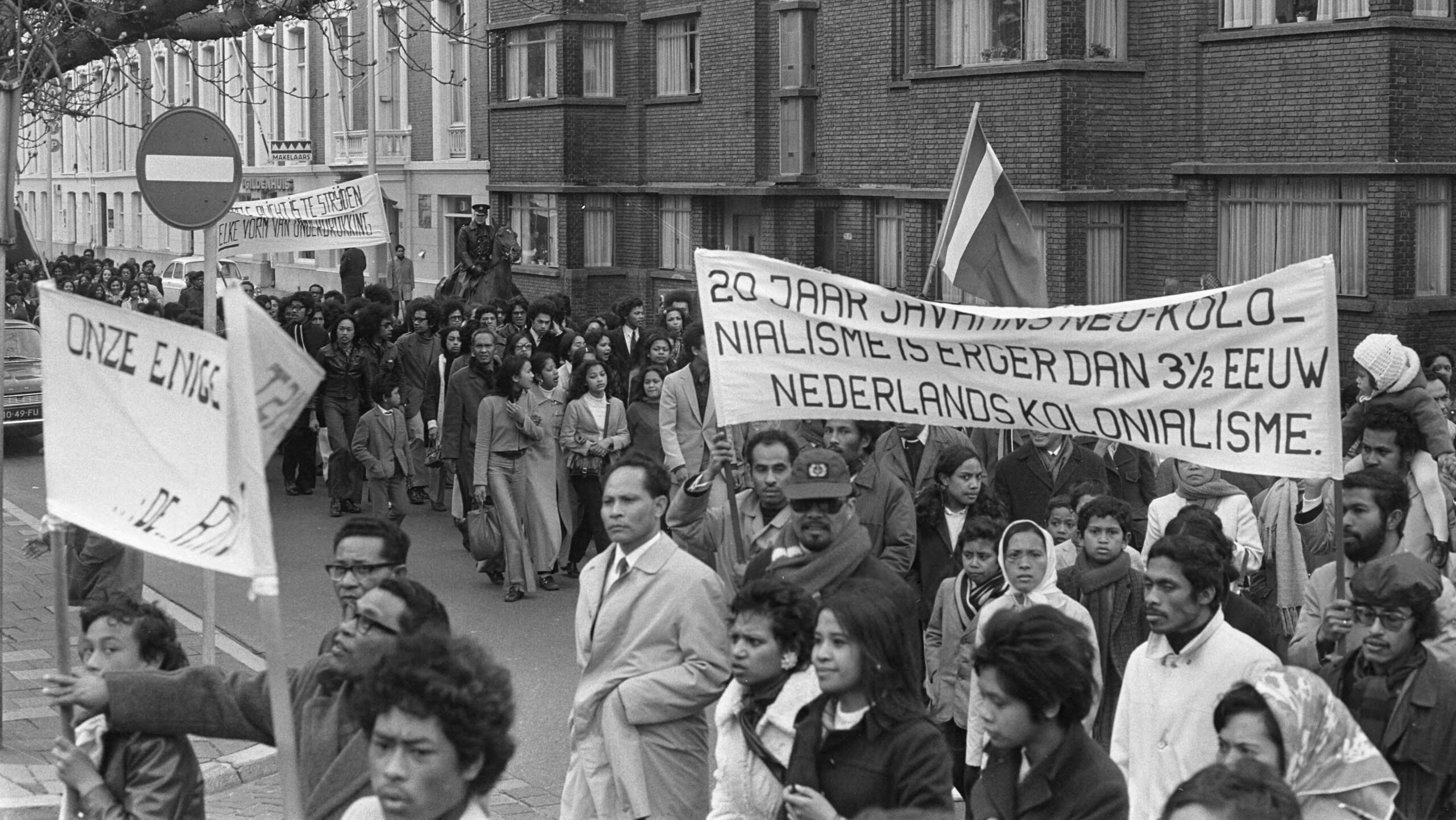
Add as a favourite source on Google Add DutchNews as a favourite source on GooglePrime minister Rob Jetten is expected to apologise for the Dutch government’s treatment of Moluccan migrants when he gives a speech at the unveiling of a monument in Rotterdam at the weekend.
The monument has been placed at the site of the former Lloyd Yard docks, the spot where the first migrants arrived from the islands in the early 1950s.
Jetten’s wish to speak at the ceremony was only conveyed to the organisers this week, fuelling speculation that he will offer official apologies to the 70,000-strong community.
Three and a half years ago the then prime minister, Mark Rutte, apologised for the Netherlands’ slave trading past, apologies that were reinforced by king Willem-Alexander at Keti Koti, the annual ceremony to commemorate the end of slavery in Suriname, in 2023.
“I think it’s a good gesture,” Yordi Tahamata of the National Moluccan Monument Foundation (SLMM), told NOS. “I’m hoping for recognition of the mistakes that were made by the Dutch government and the suffering that my grandparents endured.”
The first migrants were a group of nearly 13,000 soldiers who fought on the side of the Dutch in the bitter war of independence in Indonesia in the late 1940s.
Independence denied
They arrived expecting to stay temporarily until the islands, known as the Spice Islands during the colonial era, became independent from Indonesia, but despite proclaiming a republic the promise of their own state never materialised. The Moluccan government in exile has been based in the Netherlands since 1966.
A majority of Dutch MPs backed a motion by the ChristenUnie’s Don Ceder this week calling for an “appropriate gesture” towards the Moluccan community and an investigation into their treatment in the Netherlands.
John Wattilete, president in exile of the republic of the South Moluccas, told Nieuwsuur he would have preferred the government to wait for the outcome of an inquiry before offering comprehensive apologies.
But he said: “Time is short, because only a few of the first generation are still with us and the Moluccan community has been waiting for these apologies for 75 years.”
Train hijacking
Demobilised Moluccan soldiers were kept in camps, including the wartime concentration camps at Westerbork and Vught, and dismissed from the army regardless of how many years of service they had. They were later moved into housing complexes.
Ceder also said that soldiers who were discharged should have their honour restored and the issue of unpaid army pensions needed to be resolved.
The campaign for formal apologies has stepped up in recent years. Former prime minister Dries van Agt wrote to the king in 2021 calling for him to apologise on behalf of the nation.
Van Agt was justice minister in 1977 when a group of armed Moluccan separatists hijacked a train in Drenthe and held more than 100 children and teachers hostage in a primary school. Six hijackers and two passengers on the train were killed when the army was sent in to end the stand-off.
Thank you for donating to DutchNews.nl.
We could not provide the Dutch News service, and keep it free of charge, without the generous support of our readers. Your donations allow us to report on issues you tell us matter, and provide you with a summary of the most important Dutch news each day.
Make a donation