Dig for d’Artagnan’s grave was illegal, Maastricht says
Louis Gore-Langton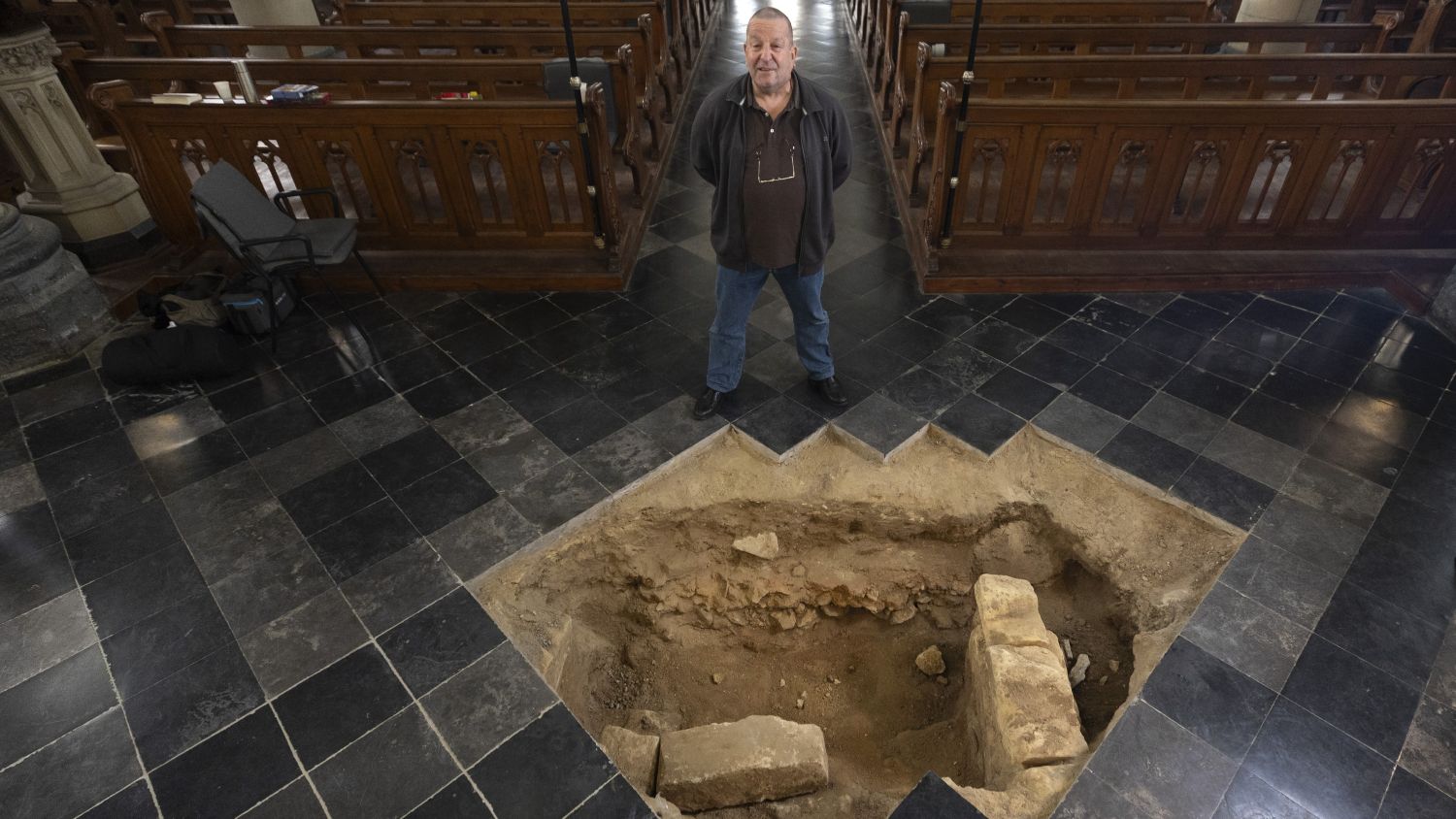
See more DutchNews articles in your Google search results
See more DutchNews articles in your Google search results
Add as a favourite source on Google Add DutchNews as a favourite source on GoogleThe botched excavation of what are believed to be the bones of French musketeer d’Artagnan in a Maastricht church was carried out without legal permission and may have destroyed vital evidence needed to identify the remains, the local council has said.
The bones were found beneath the floor of St. Peter and Paul Church in Wolder, Maastricht, in February. Jos Valke, a deacon of the church and member of a local foundation involved in the search, told DutchNews that they did not know that excavation work of this kind on a listed building would require a legal permit.
A local archeologist, Wim Dijkman, was brought in to dig out the bones. He has since been arrested and is now under investigation, along with Valke and his foundation.
Valke blamed the damage squarely on Dijkman’s incompetence, and said that he assumed he was qualified. “He claimed he was licensed to do [the work]. It turned out afterwards, he wasn’t.”
“Surgeon with a butter knife”
Valke described watching Dijkman in action as like “watching a surgeon with a butter knife” and only after a professional team of archeologists arrived later did he realise the difference.
“The professionals measured everything, inch by inch, and he [Dijkman] just went in and started digging.” Dijkman reportedly also touched the bones, damaging the DNA.
Valke said he regrets what happened, and called it “such a shame.” He said he had no reason to think the foundation would need permission to do such work on an archeological site dating back to the 17th century.
What the dig may have cost
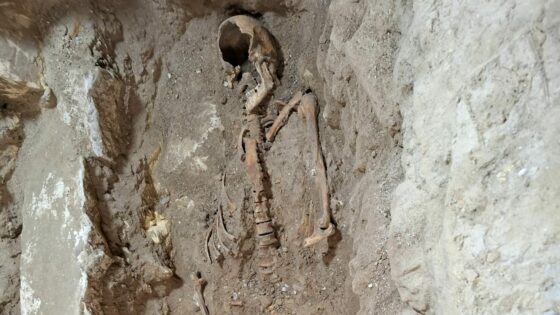
Researchers in Deventer have since found the bones of several other people mixed in with the presumed remains, regional broadcaster L1 reported, among them what they described as “young individuals”.
A source close to its investigation told the broadcaster that more than half the material may be unusable, and that the way the bones were handled has made DNA testing harder.
Maastricht council says the dig went ahead without a permit and broke the profession’s rules for an archaeological excavation. It will present the first results of the identification research at a press conference on June 17, but has warned that the findings are unlikely to settle whether the bones are d’Artagnan’s.
Valke, however, said he is “99.9% certain” the bones are his.
The council also said it only learned about the dig in early March and halted it once its experts realised it may have been unauthorised, before ordering an official excavation to recover the skeleton.
A knighted archaeologist
Dijkman was Maastricht’s city archaeologist for 40 years before retiring in 2022. In late April, weeks after the find made headlines around the world, he was given a royal knighthood as its discoverer.
He was arrested last month after refusing to return a piece of arm bone and two teeth to the council, which owns the finds under Dutch heritage law. Dijkman, who had taken the fragments to a laboratory in Munich for DNA testing, said sending them back by post was too risky; he was released the same evening after handing them over.
DutchNews was unable to reach Dijkman for comment. He has told other media that he will not respond until he has spoken to the researchers at Saxion, and has not addressed the claim that material was damaged.
Who was d’Artagnan?
Charles de Batz de Castelmore, better known as d’Artagnan, was captain of Louis XIV’s musketeers and the model for Alexandre Dumas’ hero in The Three Musketeers. He was killed during the French siege of Maastricht in 1673, and the location of his grave has been a mystery ever since.
The search rested on a theory by French historian Odile Bordaz that he was buried near the French camp, in the church at Wolder. The skeleton was found there earlier this year beneath where the altar once stood, alongside a musket ball and a French coin dated 1660.
At the press conference on June 17, the council is expected to give the individual’s likely origin, age, sex, height and approximate date of death. DNA results will not be ready, and it has told councillors that a firm answer on identity is still some way off.
Thank you for donating to DutchNews.nl.
We could not provide the Dutch News service, and keep it free of charge, without the generous support of our readers. Your donations allow us to report on issues you tell us matter, and provide you with a summary of the most important Dutch news each day.
Make a donation