Wolf has little impact on the national economy, say researchers
See more DutchNews articles in your Google search results
See more DutchNews articles in your Google search results
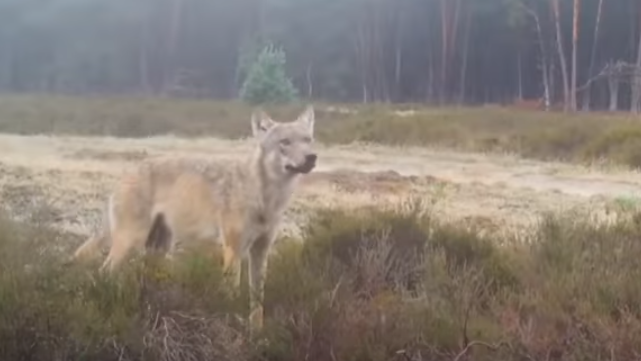
Add as a favourite source on Google Add DutchNews as a favourite source on GoogleThe economic impact of the return of the wolf to the Netherlands is “limited” but may increase as the population grows, according to research by Wageningen University & Research on behalf of the economic affairs ministry.
The number of wolves in the Netherlands has been growing since 2018. There are currently 11 wolf packs, consisting of up to 124 wolves, according to figures from wolf monitoring body BIJ12. Most live in de Veluwe area in Gelderland, Friesland, Drenthe and Utrecht.
Last year, some 330,000 animals were killed by wolves, of which 97% were sheep. “On a national level, that is a limited number. These are areas in which farmers have had several attacks on their animals,” researcher Johan Bremmer told NU.nl.
More sheep die prematurely from disease, accidents and attacks by dogs or foxes than from wolves, the findings show. As far as damage to crops is concerned, the wolf comes in 10th behind geese and tits.
Some €1.5 million in compensation was paid out to the farmers. In 2024, just over €5 million in subsidies was spent on preventive measures, such as wolf-proof fencing. However, in 94% of the reported cases, farmers had no or insufficient fencing in place.
Farmers, who have been clamouring for a wolf cull, feel the measures are too costly despite the subsidies, Bremmer said. “The work that comes with it is not compensated and farmers have to move their flocks and that means moving the fencing as well. That is a big job,” he said.
Despite several close encounters between people and wolves, the presence of the wolf has not impacted tourism, the research showed, except locally. The Treek-Henschoten estate in Utrecht had to be closed following a sighting of “problem” wolf Bram in 2024, resulting in a loss of revenue for the local hospitality sector.
Tourism could even benefit from the presence of the wolf, for instance by organising excursions, although that would have to be very carefully weighed, the researchers said.
“It could be done but only within strict guidelines. The risk would be that, if not handled right, the wolf associates people with easily accessible food,” researcher Hugh Jansman said.
To achieve a sustainable wolf policy, the researchers recommend investment into the precise and systematic monitoring of the effects of the presence of wolves and more effective ways of protecting livestock.
Thank you for donating to DutchNews.nl.
We could not provide the Dutch News service, and keep it free of charge, without the generous support of our readers. Your donations allow us to report on issues you tell us matter, and provide you with a summary of the most important Dutch news each day.
Make a donation