Just 1 in 50 Dutch femicide cases gets named in verdicts: WODC
See more DutchNews articles in your Google search results
See more DutchNews articles in your Google search results
Add as a favourite source on Google Add DutchNews as a favourite source on GoogleDutch courts almost never explicitly use the term “femicide” in verdicts on the killing of women, even when the cases fit international definitions, research published by the Justice Ministry’s research and data centre WODC has found.
The term appeared in just 2% of 282 potential femicide cases tried between 2021 and 2024, according to the study, which was led by Maastricht University criminal law researchers Laurie Ritzen and Suzan van der Aa. Parliament had pushed for the research.
The researchers estimate that, on average, 43 women are killed in the Netherlands each year in cases that fit the femicide definition – roughly one every eight days.
Judges, prosecutors and researchers each use different definitions of femicide. The public prosecution service treats every killing of a woman by a current or former partner as femicide, while the bench has no shared definition. The researchers applied the UN Office on Drugs and Crime’s broader criteria, which also cover some killings by strangers.
Why the labels matter
Naming femicide explicitly matters, the researchers argue, because the killing of a woman is rarely an isolated event. It typically follows a pattern of violence, control, stalking, prior abuse or misogyny – patterns that police and prosecutors can act on earlier if they are recognised.
In 40% of the cases reviewed, the sentencing judge factored in prior violence between victim and perpetrator, the study found, and sentences were always heavier where that happened. In the remaining 60%, it is unclear whether earlier violence was considered.
Prosecutors see more scope than judges to draw on gender-related factors – such as previous domestic violence – when proving intent or premeditation, the report said.
Call for legal recognition
The researchers recommend a clear legal definition of femicide and more consistent labelling of cases, both to support better data and to make the gendered pattern of violence visible. Several judges and prosecutors interviewed in the report supported introducing femicide, or gender-related factors, as grounds for heavier sentences.
Both groups consider existing penalties for murder and manslaughter adequate. The report points to Cyprus and Italy, which treat femicide as a separate offence in the penal code, and Spain, which has specialised gender-violence courts and a single fixed definition.
Ritzen said gender-neutral framing risked losing the specific context of gender-based violence. Defining femicide should ultimately be left to politicians, she added.
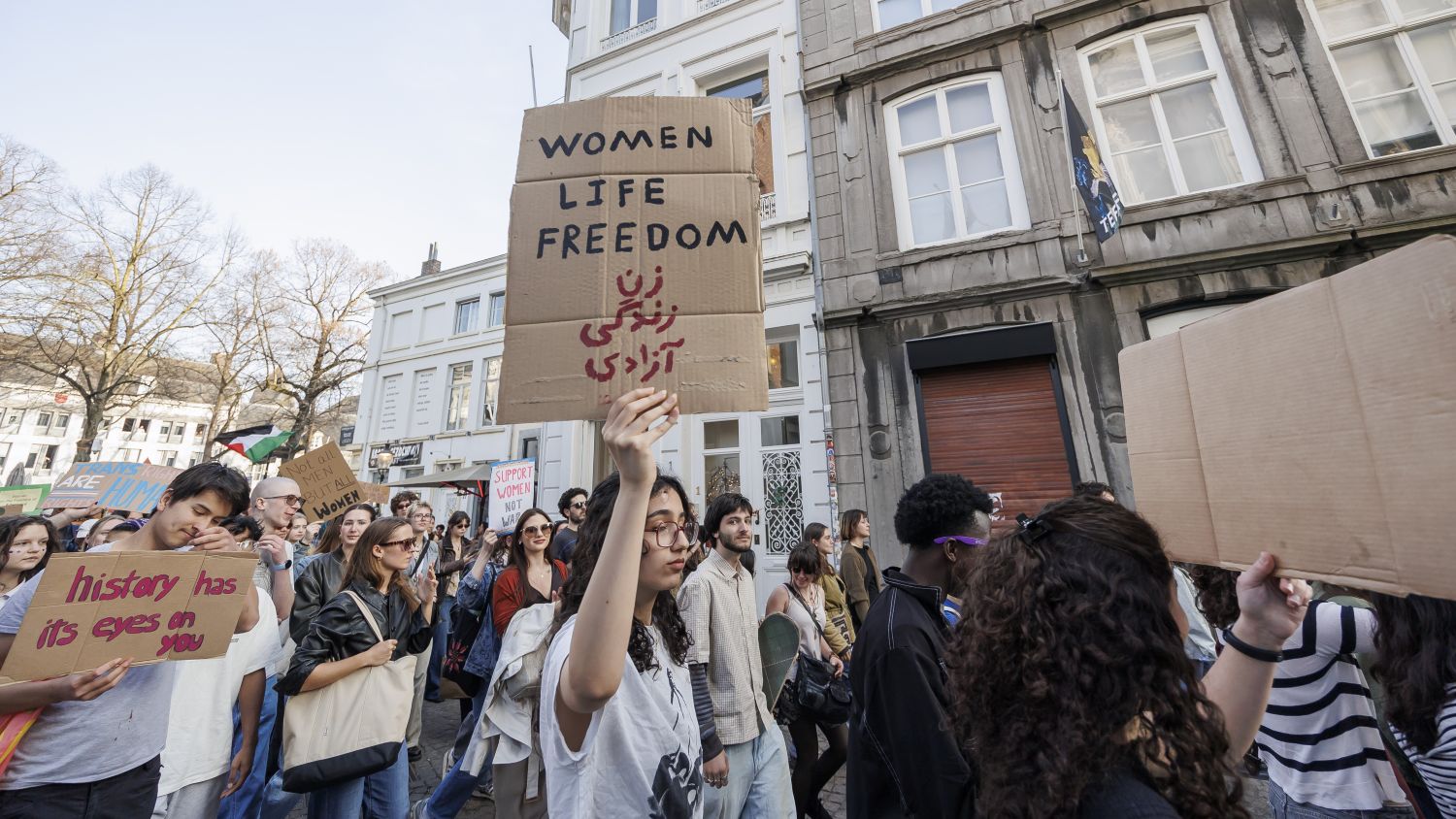
The previous cabinet’s Stop Femicide! plan, a critical Council of Europe report last October, and a 1,000-strong protest march in Rotterdam last summer have all kept the issue on the political agenda.
Thank you for donating to DutchNews.nl.
We could not provide the Dutch News service, and keep it free of charge, without the generous support of our readers. Your donations allow us to report on issues you tell us matter, and provide you with a summary of the most important Dutch news each day.
Make a donation