Partner content
Internet, energy and water: public utilities in the Netherlands

Whether you’ve just arrived in the Netherlands, are buying a home or are leaving your flatshare for a place of your own, the first things you need to do are arrange contracts for internet, electricity and gas, and water. So how does it work?
Gas and electricity
The energy market in the Netherlands is in private hands, meaning there are many providers to choose from. Gas and electricity are usually offered together as a package, and new customers can often take advantage of welcome discounts when signing up for a combined deal.
Some providers focus purely on green energy. You may also find yourself in a home without gas, given the government is trying to phase out the use of the fossil fuel for heating and cooking, and with a district heating system or heat pump instead.
You can compare prices and organise your contracts yourself, but there are also services, such as Utility Direct, that find the best available deals and handle all the setup on your behalf. If your home has a smart meter — which the majority of homes now do — your provider won’t need to ask for meter readings, as usage is tracked automatically.
There are three types of energy contract available in the Netherlands. A fixed contract locks in a set fee for one to five years, giving you predictability on your bills. A variable contract has a fee that can go up or down after a set period, depending on market conditions. A dynamic contract reflects actual real-time energy prices, which can mean savings when prices are low but also higher costs when they rise.
“It can seem very complicated so it is worth getting some advice, particularly if your Dutch is not up to scratch,” says Jesse Kegel, of Utility Direct. “We know that internationals can find it very daunting to make the right choice, especially when everything is new to them.”
Water
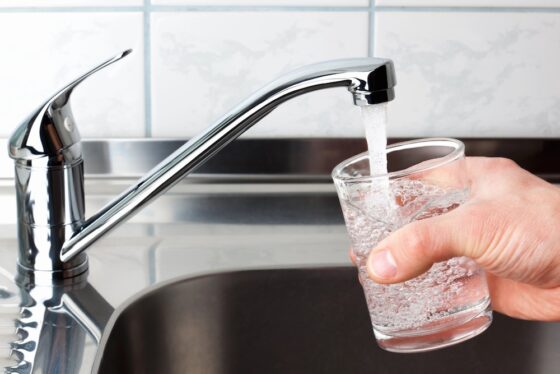
The situation with water is quite different from energy. Drinking water provision in the Netherlands is in public hands, managed by 10 regional water supply companies. Which company supplies you depends entirely on where you live. You can find your local supplier on the Vewin.nl website.
When setting up your contract, you may be asked for a meter reading (meterstand). Water meters are usually found in the meter cupboard or next to the boiler.
If your home doesn’t have a meter, you’ll instead pay a flat monthly fee based on the number of people in your household.
Internet
There is a wide choice of internet providers in the Netherlands, with the biggest being Odido, Ziggo and the former state-owned KPN.
If you are renting, your landlord might include internet as part of a broader utilities package. If you’ve bought a home, you’ll most likely need to set up a new connection from scratch. Most providers work on a minimum contract period of 12 months but you can often get a 50% discount over the initial period.
All the main providers offer package deals that combine internet, television and mobile phone services, so it’s worth thinking carefully about what you actually need before signing up. If you’re self-employed, it’s also worth considering whether the costs will be covered personally or through your business. A company like Utility Direct has an overview of what is available at your address, the speeds and can advise about what speeds will suit you best.
“Don’t forget you can always get additional discounts and double data packages if you combine your mobile and internet,” says Jesse.

Three types of connection are available: DSL via the copper telephone network, cable and fibre optic. You can check what’s available in your area on the KPN, Ziggo and Odido websites.
Paying the bills
Utilities are billed monthly. Bills typically include a fixed supply cost (the standing charge), a variable supply cost based on usage, your provider’s administration fee, charges from the grid operator and taxes.
Even if you don’t have a smart meter, your provider will assess your actual usage after one year and adjust your payments. If you’ve used more than their initial estimate, you’ll owe the difference; if you’ve used less, you’ll be reimbursed. The same annual calculation applies to water bills where a meter is in place.
Moving house
When you move into a new home, whether rented or purchased, electricity, gas and water will be available immediately – you will generally have three to five weeks to arrange a contract before services are cut off. It is worth agreeing a deal promptly to take advantage of new-customer welcome deals and get the lowest prices.
“It might seem like a lot of hassle, but it really is worth taking your time to check out all the deals which are available,” says Jesse. “We can also help you cut your bills with simple tips on saving energy. You can save hundreds of euros a year by doing your sums and not falling for the first offer which comes your way.”
If you’d like help setting up utilities or switching contracts, Utility Direct offers a free service covering gas, electricity, internet, TV, water, mobile phone subscriptions and more.
Thank you for donating to DutchNews.nl.
We could not provide the Dutch News service, and keep it free of charge, without the generous support of our readers. Your donations allow us to report on issues you tell us matter, and provide you with a summary of the most important Dutch news each day.
Make a donation