Partner content
An intensive 10-day course gets you speaking Dutch from Day One
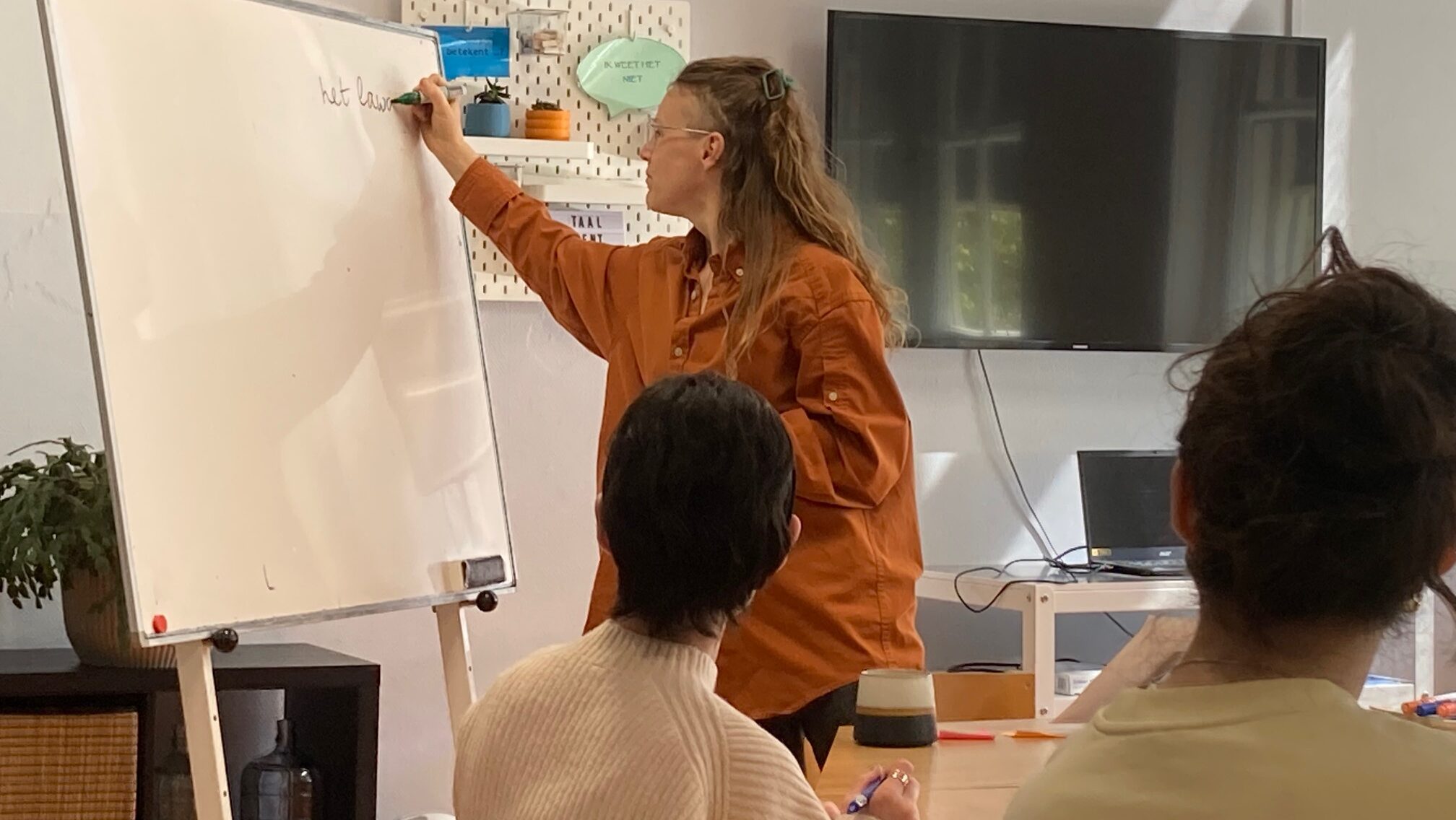
If you think language lessons are about learning grammar and lists of words by rote, think again. Amsterdam language school NedLes is offering intensive two-week courses where the emphasis is on having the confidence to actually go out and speak Dutch, using a method developed in Delft.
On a sunny afternoon in Amsterdam, a class of nine students, all beginners just a few days ago, are discussing what to do if a delivery man drops off a package for your neighbour at your house.
The class are on lesson 15 in their text book Nederlands voor Anderstaligen, having started the course just over a week ago. Teacher Mathilde Broeks is directing the conversation and writing words on the blackboard, as the students help each other to answer questions about what they think the neighbour had bought.
The conversation shifts from the fictional Fred to role playing in the classroom. Julia has decided Anastasia had stolen her parcel and is calling the police. Roksana is the police officer. “Sorry we can’t do anything today,” she says, in almost perfect Dutch, while the rest of the class, Mathilde included, collapse in giggles.
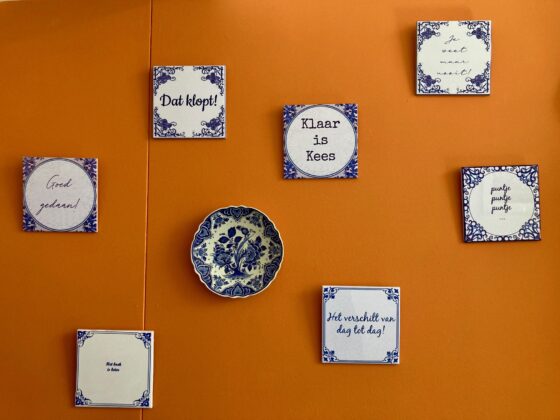
The group is following NedLes’ 10-day intensive Dutch course which involves two hour-long Dutch-only lessons a day and plenty of time at the language school itself to study in between – like a residential course without the staying over.
Delft method
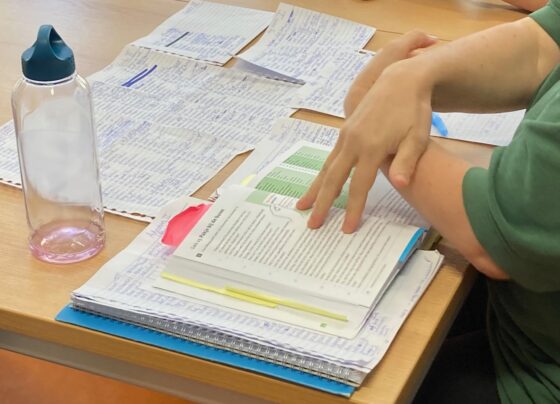
The school uses the Delft method, which stresses learning how to speak simple sentences by trial and repetition rather than through formal grammar. After just six days of lessons, this class is answering questions based on the texts they have just been studying alone in one of the smaller classrooms or even on the sunny balcony – with varying degrees of confidence. By the end of the week they will be on lesson 20, talking about their holiday plans.
Anastasia is from Ukraine and has been in the Netherlands for three years. “I’m a doctor but I cannot work here until I have learned Dutch and had all my papers approved,” she says.
So how is it to be in such close contact with a group of strangers and to talk Dutch with them from the word go? “I was embarrassed before about talking Dutch but not since lessons have started,” she says. “It is quite normal to make mistakes.”
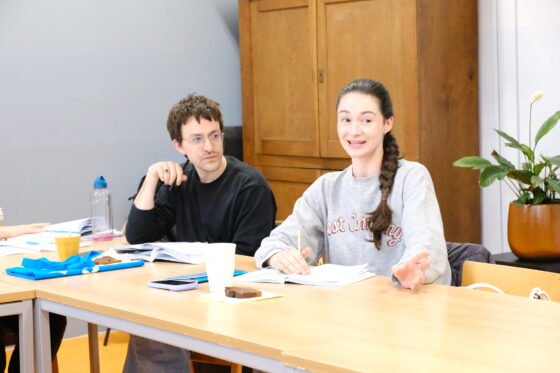
“You never feel weird about getting it wrong,” agrees Julia, a physiologist who works part time, having moved her shifts to the evening so she can take part in the course. “And it is so much faster than taking a two or three month course with one or two lessons a week.”
Intensive course
The students all have different reasons for wanting to learn Dutch and for opting for the intensity of a two-week, all-day course. Beth, who moved to the Netherlands from the US two months ago, wants to get to grips with the language so she can set up her company. “There is too much English here,” she says. “You have to work hard to learn.”
Roksana, who came to the Netherlands from Iran three years ago, works for a logistics company and has a lot of Dutch colleagues. “I wanted to be able to communicate properly with them,” she says. “And doing this course is faster, it keeps up the momentum.”
The team at NedLes recognise the commitment that such an intensive course takes, but they have also seen that it works. Students come from far and wide to take part, some of them studying on the train as they travel into Amsterdam Oost from other parts of the country.
Learn Dutch quickly
“We understand that people have busy lives and committing two weeks to learning Dutch is a big step, but once you take that step, it really pays off,” says Renske Berns, one of the school’s co-owners who also teaches classes herself.
“Of course we focus on grammar, but in a different way,” says co-owner and teacher Welmoed Nijhout. “You get exposed to a living language. Practising lists of verbs does not help because you have to experience using Dutch in everyday situations. And a course like this would be a great part of a company onboarding programme as well to get new staff really up to speed.”
Back in the classroom, the conversation has turned to what people are having for dinner tonight and where they bought their groceries. Emma, who has a Dutch husband and a baby, outlines the contents of her fridge – vegetables, cheese, fruit, milk.
From across the other side of the room, Roberto has already learned the Dutch art of being blunt. “Wat?,” he says with surprise in his voice. “Geen wijn?”
To find out more about NedLes’ intensive two-week course, and all the other options to learn Dutch, feel free to get in touch.
Thank you for donating to DutchNews.nl.
We could not provide the Dutch News service, and keep it free of charge, without the generous support of our readers. Your donations allow us to report on issues you tell us matter, and provide you with a summary of the most important Dutch news each day.
Make a donation