Local election watch: housing tops the concern list in Utrecht
Molly Quell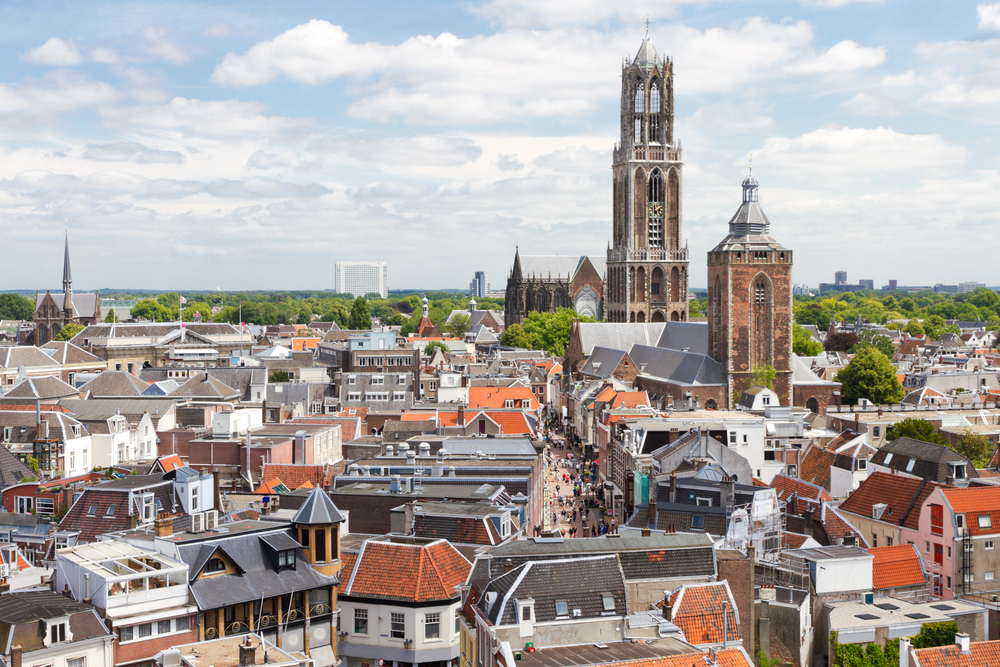
The Netherlands goes to the polls to vote for 342 local councils on March 18 and Dutch News is focusing on the campaigns in 10 towns and cities where most internationals live.
The fourth largest city in the country, Utrecht is known for the cartoon character Miffy, the iconic Dom tower and the largest bike parking garage in the world.
A large part of the city’s population is international, thanks in part to — at least according to the city council — the largest and most prestigious university in the Netherlands, Utrecht University.
Like the Dutch national parliament, Utrecht currently has 17 political parties on the 45-seat city council. Following the last elections, five parties made up the council executive but, in an unusual move in Dutch politics, that has shrunk to four following the merger of the Labour Party (PvdA) and the Green Party (Groenlinks).
- What you need to know about the local elections on March 18
- A quick guide to the biggest political parties
Housing is at the top of the list of concerns for voters. Estimates vary but the city will need between 40,000 – 80,000 more houses in the coming five years, if population growth continues at the same pace.
The European Union named Utrecht the most competitive region in the bloc in its most recent survey, with the city scoring high on innovation, education and job opportunities for young people.
The city’s central location makes it attractive to big employers. The NS and ProRail are both headquartered in Utrecht, as is Rabobank. It’s also sometimes called the capital of the Dutch gaming industry. The university was one of the first in Europe to offer courses in video game development and there’s even a gaming incubator programme.
Housing
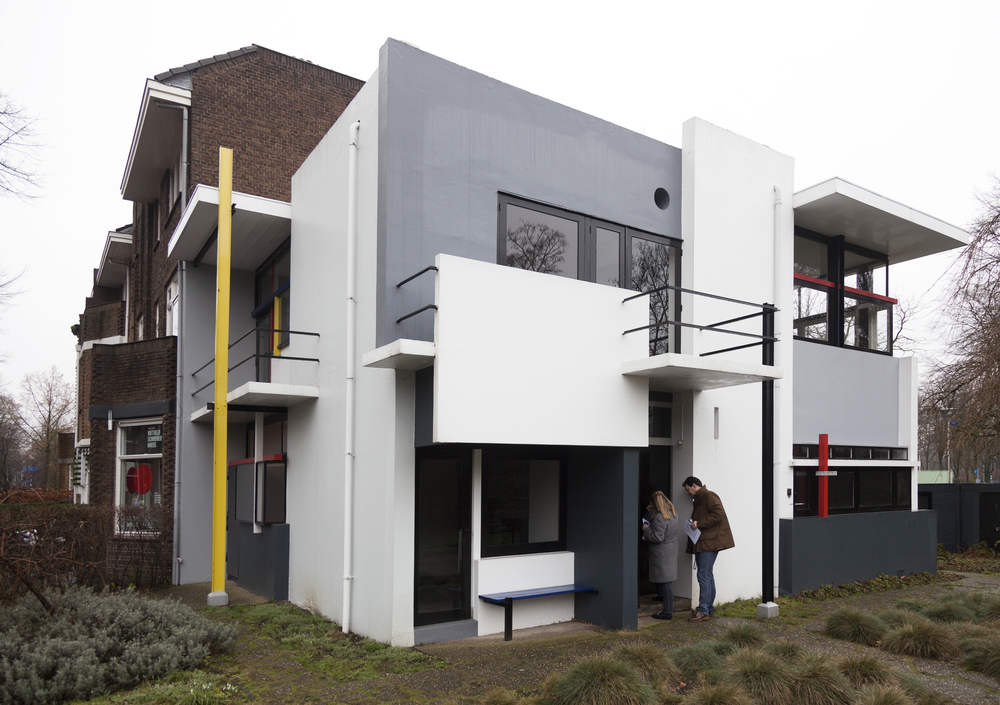
“Housing.” “Affordable housing.” “Any place to live.” That’s what potential voters, walking through Utrecht’s city centre, say over and over when asked what their top concern is for the upcoming elections.
“So many of my friends still live at home, it makes it hard to enjoy student life,” says Laila Veldhuis, a student at Utrecht University.
Housing is top of the agenda across the nation, though local municipalities can only do so much to influence housing policy.
“We have to build more affordable housing than ever before,” says Mahaar Fattal, number two on the list for PvdA/GroenLinks. At just 28, Fattal has served on the city council for four years.
Her party is pushing for 90% of newly constructed homes to be social or affordable housing. The progressive democratic D66 party has a target of 75% in their manifesto, the same number as Christian party ChristenUnie. Student party Student & Starter sets their goal at 80%
Building isn’t the only solution to the housing shortage, according to councilor Pepijn Zwanenberg from the radical left party LINK. He’s currently a one-person party in the city council, after splitting off from GroenLinks.
Zwanenberg wants to see the sale of social housing stopped and wants tough fines for property owners who leave their buildings empty. “Housing should be a right, if you are Dutch or an expat or a refugee,” he says.
Utrecht has had some success in recent years in cracking down on long-term vacancies. Rates of empty homes have dropped 20% since the city began an aggressive campaign last year.
Owners with residences that have been empty for longer than six months must justify the vacancies to the municipality or face stiff fines – €4,500 for individuals and €9,000 for businesses.
Bustle in the city
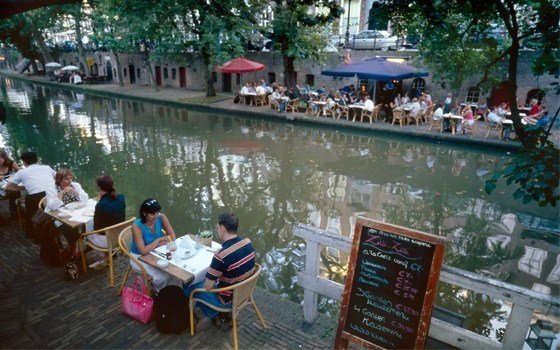
Finding a home may be one worry for Utrechters, but finding a seat at a terrace is a close second.
“You can see for yourself, there is no space,” says Linda van Bokkelen, pointing to the row of cafes along Utrecht’s central canal on a late afternoon.
The parties are divided as to the approach. PvdA/GroenLinks wants more green space, not more cafes, while D66 is pushing for a new concert location and a permanent festival space. The student party wants bars, festivals, concerts and no closing times. The VVD calls for more cafe and restaurant space, but with restrictions on operating housing in residential neighborhoods.
Internationals
Most of the party manifestos don’t single out “expats” or “internationals”. Fattal, whose parents are Syrian refugees and whose husband is from Brazil, says that they want everyone to participate in society. Her PvdA/GroenLinks party has made stickers for the election that say “Utrechter” in various languages.
The VVD, however, is worried about too many internationals creating problems with “social cohesion” in certain neighborhoods and calls for language schools for expats to make sure they learn Dutch.
Utrecht key information
Current council executive: GroenLinks, D66, PvdA, ChristenUnie, and Student & Starter.
How many seats on the council: 45
Total number of voters: 280,577
Number of international voters: roughly 27,000
Local election information in English:
GroenLinks/PvdA
D66 (their election programme, not specific to Utrecht)
CDA (general information, not specific to Utrecht)
Partij voor de Dieren (general information, not specific to Utrecht)
Volt (their English information centres on Amsterdam, not Utrecht)
ChristenUnie (general information, not specific to Utrecht)
BIJ1 (general information, not specific to Utrecht)
Election events for internationals:
VVD, D66, GroenLinks/PvdA will host a political mixer on March 14.
Voting guide:
Utrecht does have a Kieskompas voting guide, though not in English.
Additional research by Eden Tweedie.
If you’ve come across any additional information useful for Utrecht’s international voters, please email editor@dutchnews.nl
Thank you for donating to DutchNews.nl.
We could not provide the Dutch News service, and keep it free of charge, without the generous support of our readers. Your donations allow us to report on issues you tell us matter, and provide you with a summary of the most important Dutch news each day.
Make a donation