More homeless Europeans in Amsterdam are helped to go back
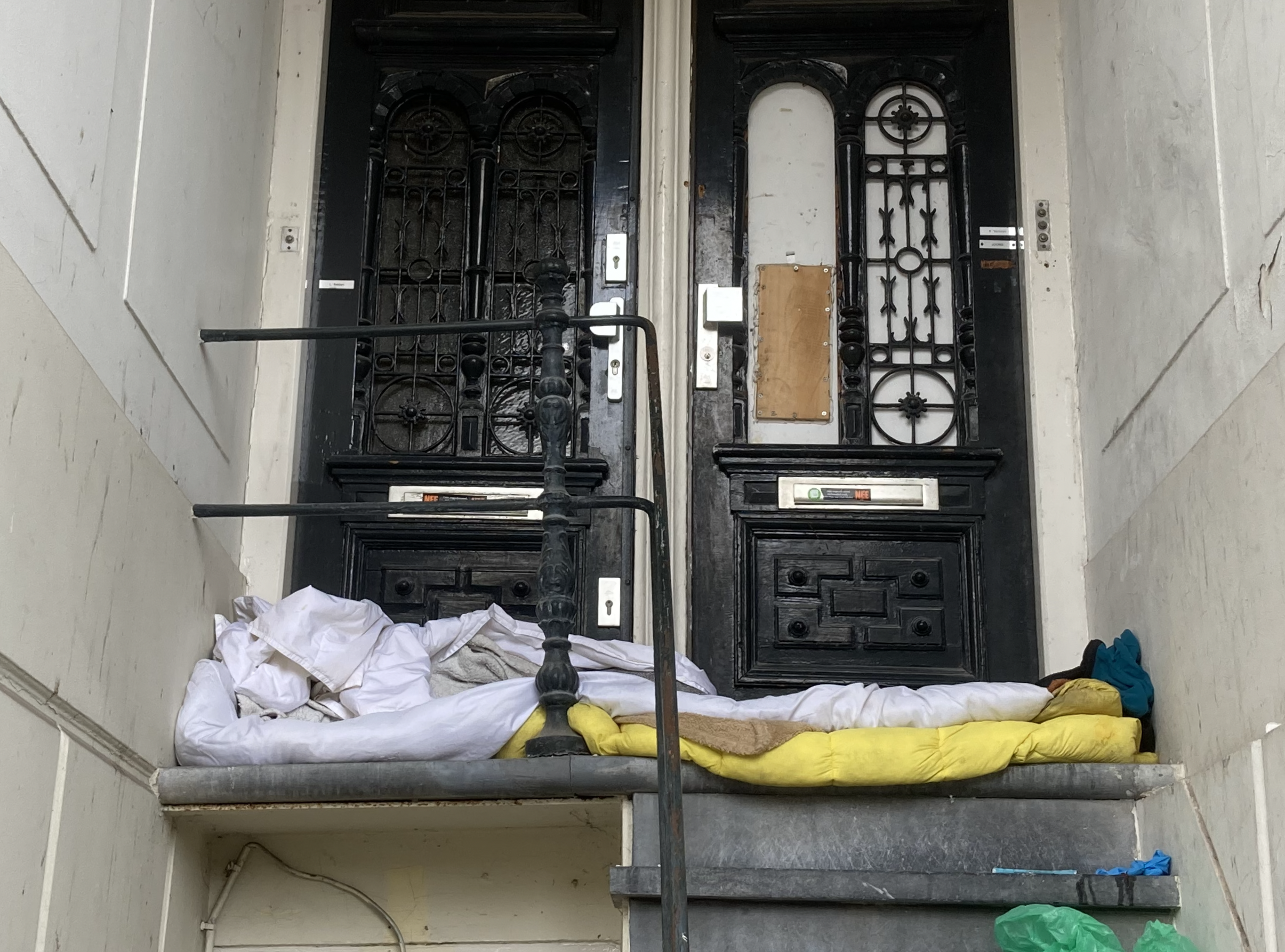
Amsterdam organisations helped 532 homeless people return to their home countries last year, a significant proportion of whom were addicted to crack, the Parool reported on Wednesday.
Welfare groups Regenboog and Per Mens organise the repatriations of people, mainly from Eastern Europe, who were living on the streets with mental health and drug problems, the paper said.
Mayor Femke Halsema said last week that the number of crack users in the city has increased and that she wanted to look at stepping up deportations of foreign users. EU citizens cannot be sent back against their will unless they have committed criminal offences.
The Regenboog Groep said it was involved in helping 313 homeless people return home last year, mainly men aged between 30 and 50, most of them to Poland and Romania. Germans accounted for the third largest group, followed by Hungarians.
In 2021, by contrast, just 168 people were sent home.
Between 30 and 40 of those helped by Regenboog were addicted to crack, and they pose the biggest challenge, social worker Michael Sprokkereef said. “They often became addicted here. The crack (smokable cocaine) is good and cheap.
“They come to Amsterdam because the city and all its tourists offer them an income,” he said. “They beg, they hustle, they collect empty cans for the deposits. It would be more difficult in Poland.”
Sprokkereef estimates that 80% of the people the organisation has helped to return home – a process which includes a short spell in rehab – stay away although crack addicts are more likely to come back.
A similar effort to help homeless Eastern Europeans return home is also under way in Rotterdam.
Many of those who end up on the streets had originally come to the Netherlands to work in low-skilled jobs, but became homeless when their jobs ended – a situation which successive Dutch cabinets have failed to tackle.
Thank you for donating to DutchNews.nl.
We could not provide the Dutch News service, and keep it free of charge, without the generous support of our readers. Your donations allow us to report on issues you tell us matter, and provide you with a summary of the most important Dutch news each day.
Make a donation