US attack on Venezuela is “not the way”, says D66’s Rob Jetten
D66 leader Rob Jetten, the man most likely to be the next prime minister of the Netherlands, has condemned the US arrest of Venezuela’s Nicolas Maduro, saying “this is not the way”.
“Maduro was a brutal dictator. He plunged his country into the abyss, lost the elections and clung to power unlawfully,” Jetten said on social media. “Many Venezuelans will be relieved that he is gone.
“At the same time, this must be said: this is not the way. The bombing of Caracas, the arrest of Maduro and his wife, and the takeover of a country’s government run counter to international law. It sets a precedent that carries major risks for the rest of the world.”
The crucial question now, Jetten said, is whether Venezuela will be able to realise a stable transition towards freedom and democracy on its own. The international community must provide maximum support in this because, Jetten said, continued instability in Venezuela has major consequences for the region.
“At the same time, following the actions of the United States, it is crucial that the Netherlands and the EU continue to uphold the international legal order and respect for national sovereignty,” he said.
“Unilateral intervention without a UN mandate runs directly counter to this. When countries abandon international law, the risk is a world in which might prevails over right. It also creates a dangerous precedent for conflicts elsewhere in the world.”
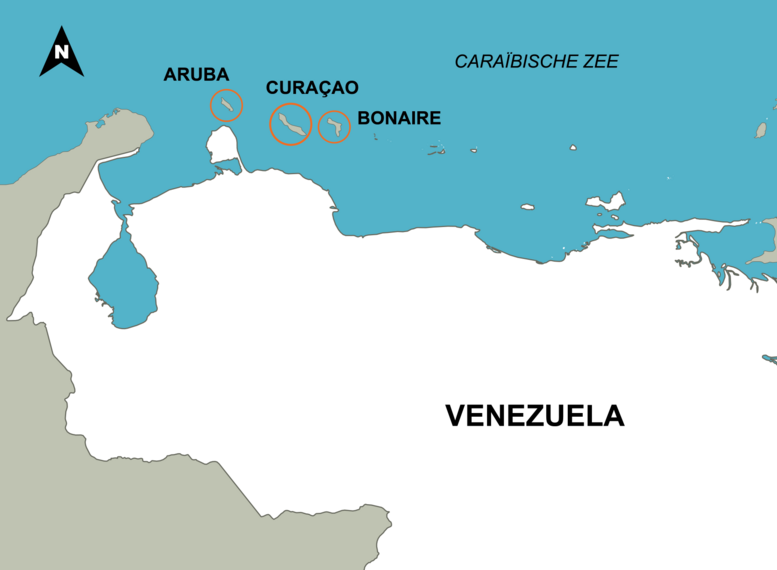
Jetten also turned his attention to the Dutch Caribbean islands of Curaçao, Aruba and Bonaire, which are between 35 and 80 kilometres from the Venezuelan coast. “The impact on the islands could be significant, including in the areas of security, migration and tourism. Our fellow citizens in the Kingdom must be clear that we stand with them,” he said.
A number of Dutch MPs have backed an early recall of parliament to discuss the crisis in the region in the coming week. Aruba and Curaçao are independent countries within the kingdom of the Netherlands, while Bonaire has local authority status.
Dutch prime minister Dick Schoof has not commented on detail on the US action, apart from to say the Netherlands is following developments closely.
Dutch foreign minister David van Weel said on social media that the Netherlands does not recognise the Maduro regime and called for “a swift return to democracy”. “The Netherlands,” he said, “urges all parties to prevent further escalation and to adhere to international law”.
He told the Financieele Dagblad in an interview that the arrest of Maduro was a “purely American act”. The Netherlands was not involved and was not informed, he said.
The US operates counter-narcotics aircraft from two bases on Curaçao and Aruba under agreements signed in 2000 and 2001.
In December, when asked about the US strikes on boats which the US claimed to be moving drugs, defence minister Ruben Brekelmans said these facilities had not been used in the attacks.
VVD response
Dilan Yesilgöz, leader of the right-wing VVD party which is in talks on forming a new government with D66 and the Christian Democrats, has also described the US action as “not in agreement with international law” but said the Netherlands “has to be realistic”.
Events in Venezuela “will also have major consequences for our region and therefore for the choices we will have to make in Dutch politics in the coming years,” she said.
“We will have to stand up for our own security, with clear frameworks based on the international legal order, so that the Netherlands and Europe do not become playthings of the giants around us.”
CDA leader Henri Bontenbal has not yet commented publically.
Thank you for donating to DutchNews.nl.
We could not provide the Dutch News service, and keep it free of charge, without the generous support of our readers. Your donations allow us to report on issues you tell us matter, and provide you with a summary of the most important Dutch news each day.
Make a donation