More first-time buyers on housing market, especially in cities
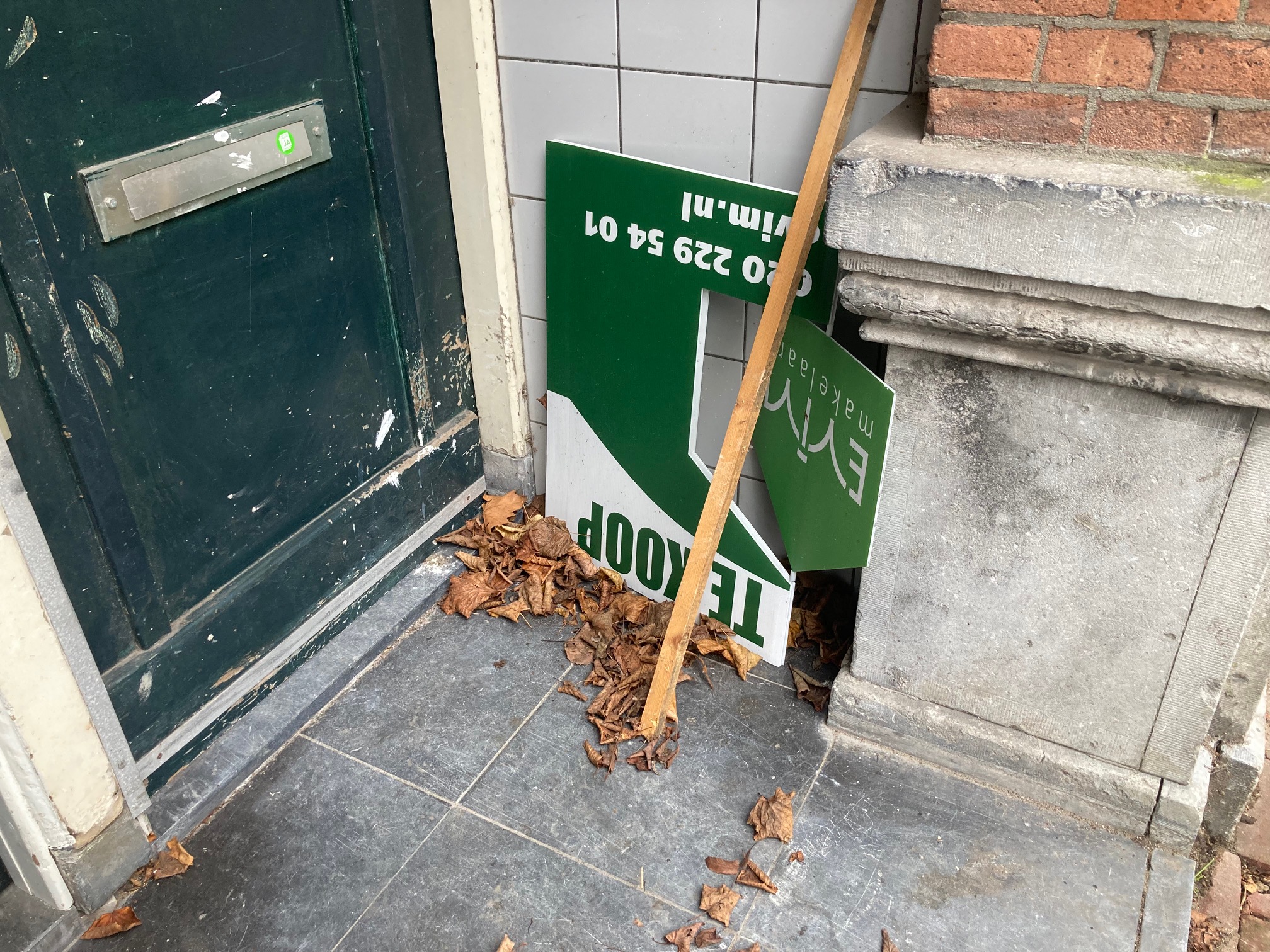
First-time buyers have accounted for 42% of house purchases this year, according to new figures from the national land registry Kadaster. In 2020, starters accounted for just 27% of home purchases.
The increase is largely due to government measures aimed at improving access to the housing market, including the exemption from transfer tax and the introduction of buy-to-let restrictions, the Kadaster said.
Another key factor is a sell-off wave by private landlords, who are disposing of their properties because tighter regulation has made renting less profitable. Former rental homes are often smaller and relatively affordable, making them appealing to first-time buyers, the Kadaster said.
The effect is particularly visible in cities. In Amsterdam, The Hague, Rotterdam and Utrecht, the share of starters among homebuyers rose from 32% in 2020 to 57% this year. In the next 40 largest council areas, almost half of buyers are now purchasing their first home.
Nevertheless, the agency points out, average house prices have risen by 43% since 2020, almost twice as fast as average incomes. As a result, many first-time buyers can no longer borrow enough to cover the purchase price.
Starters are therefore increasingly forced to use their own savings or other sources of income. Single buyers put an average of €47,000 of their own money into a home this year, while couples contributed around €17,000, reflecting their higher combined borrowing capacity.
Separate research by ING shows that housing shortages are widening the gap between generations, with more than half of Gen Z respondents saying they are worried about their future housing prospects, the AD reported on Thursday. Gen Z refers to young people born after the mid 1990s.
Among those young people who have managed to buy a home, financial help from parents or other family members has become increasingly common, the AD said. Almost one in three Gen Z homeowners received such support, compared with one in five millennials. Among Generation X and baby boomers, the figure was below 10%.
ING said the lack of suitable housing is also affecting life choices, with young people delaying marriage, children or long-term plans because they are unable to find an affordable home.
Thank you for donating to DutchNews.nl.
We could not provide the Dutch News service, and keep it free of charge, without the generous support of our readers. Your donations allow us to report on issues you tell us matter, and provide you with a summary of the most important Dutch news each day.
Make a donation