The ranking is based on inspections carried out by food safety board NVWA between 2022 and 2024, tracking produce from farm to supermarket.
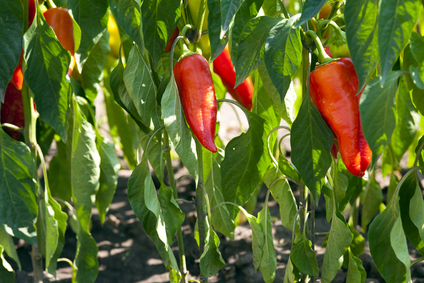
Citrus fruit such as oranges contained an average of 4.4 different pesticide residues per product, the same level as strawberries. Grapes followed with 3.6, ahead of pears and cherries. Among vegetables, peppers topped the list with an average of 2.1 residues, followed by spinach, pak choi and tomatoes.
Overall, the total number of pesticide residues found on fruit and vegetables rose by 7% over the period, the data show. Increases were also recorded in residues of PFAS and hormone-disrupting pesticides.
The NVWA stressed that the findings do not mean fruit and vegetables are unsafe to eat. Most measurements remain below the legal maximum levels, and tests are carried out on the whole product, including the skin.
The ranking also highlights products with relatively low residue levels. Kiwi, watermelon and pineapple were the “cleanest” fruits on average, while asparagus, beetroot and chicory topped the list for vegetables.
PAN-NL said residue levels can vary widely depending on season, farming methods and country of origin, and warned that fewer residues do not necessarily mean fewer pesticides were used during cultivation.
Organic or unsprayed produce remains the best option for people and nature, the campaign group said.
The national statistics agency CBS earlier reported a 22% fall in overall pesticide use in Dutch farming in 2024. However, pesticide use in fruit, vegetable and potato cultivation rose by 26% between 2020 and 2024.
Research published by the European Pesticide Action Network in 2024 found that the Netherlands and Belgium are more likely than all 25 other EU member states to produce fruit and vegetables that contain PFAS pesticide residues.
The research showed that PFAS pesticides were present in 27% of Dutch and Belgian fruit and veg samples. Next on the list was Austria (25%), followed by Spain (22%) and Portugal (21%).