DutchNews.nl - DutchNews.nl brings daily news from The Netherlands in English 31 May 2026
Newsletter Donate Advertise
  • News
  • Life in the Netherlands
  • Jobs
  • Partner content
  • Podcast
  • Advertise
  • About us
  • Search
  • Home
  • Economy
  • Politics
  • Art and culture
  • Sport
  • Europe
  • Society
  • Environment
  • Health
  • Housing
  • Education
  • News
    • Home
    • Economy
    • Politics
    • Art and culture
    • Sport
    • Europe
    • Society
    • Environment
    • Health
    • Housing
    • Education
  • Life in the Netherlands
    • Latest
    • Opinion
    • Books
    • Travel
    • 10 Questions
    • Learning Dutch
    • Inburgering with DN
    • Food & Drink
    • Ask us anything
  • Jobs
  • Partner content
  • Podcast
  • Advertise
  • About us
    • Donate
    • Team
    • Advertise
    • Contact us
    • Writing for Dutch News
    • Privacy
    • Newsletter
  • Search

More sleep this weekend as the clocks go back one hour
October 24, 2025
Illustration: Depositphotos.com

See more DutchNews articles in your Google search results

See more DutchNews articles in your Google search results

Add as a favourite source on Google Add DutchNews as a favourite source on Google

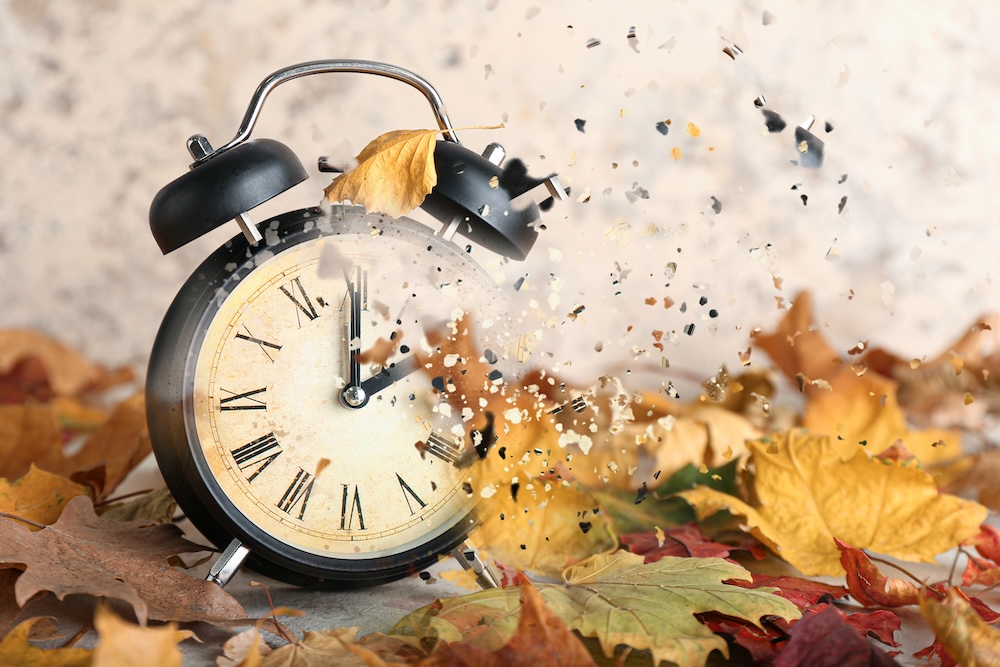
The clocks go back one hour in the early hours of Sunday morning as the Netherlands moves into official winter time.

The system of changing the time was reintroduced in the Netherlands in 1977, partly in response to the 1970s energy crisis. Governments at the time hoped to save fuel by extending daylight hours, though research has since shown the effect on energy use is minimal.

The practice has remained ever since, largely for social and economic reasons. On the shortest day of the year – December 21 – the sun will rise at 8.35 am and set at 4.30 pm.

Brussels has been making moves to stop the clock and in 2018, a European Commission survey found that 84% of the 4.6 million respondents wanted to end the time changes – although just 27,000 of them were in the Netherlands.

However, EU member states have yet to agree on which time to keep.

Researchers say the human biological clock is finely tuned to daylight, with a natural cycle lasting around 24 hours and 11 minutes. Some studies link the twice-yearly change to higher rates of strokes, obesity, depression and workplace and traffic accidents.

The clocks will go forward again on the last weekend in March 2026.

Share this article Add DutchNews to Google
  • Facebook
  • Twitter
  • LinkedIn
  • Reddit
  • Copy URL
Europe Health Society
Thank you for donating to DutchNews.nl.

We could not provide the Dutch News service, and keep it free of charge, without the generous support of our readers. Your donations allow us to report on issues you tell us matter, and provide you with a summary of the most important Dutch news each day.

Make a donation
Latest
Show more
Amsterdam council still funding press trips to attract tourists
Podcast: The Herding Cats and Chasing Cheeses Edition
The Making of a City: a worthy addition to books about Amsterdam
Lockdown delays likely cost lives, coronavirus inquiry hears
Record temperatures this spring, but heavy rain is to come
NewsHomeEconomyPoliticsArt and cultureSportEuropeSocietyEnvironmentHealthHousingEducation
Life in the NetherlandsLatestOpinionBooksTravel10 QuestionsLearning DutchInburgering with DNFood & DrinkAsk us anything
Partner content
Advertise
About usDonateTeamAdvertiseContact usWriting for Dutch NewsPrivacyNewsletter
© 2026 DutchNews | Cookie settings

Help us to keep providing you with up-to-date news about this month's Dutch general election.

Our thanks to everyone who donates regularly to Dutch News. It costs money to produce our daily news service, our original features and daily newsletters, and we could not do it without you.

If you have not yet made a donation, or did so a while ago, you can do so via these links

The DutchNews.nl team

Donate now

Dutchnews Survey

Please help us making DutchNews.nl a better read by taking part in a short survey.

Take part now