DutchNews.nl - DutchNews.nl brings daily news from The Netherlands in English 1 June 2026
Newsletter Donate Advertise
  • News
  • Life in the Netherlands
  • Jobs
  • Partner content
  • Podcast
  • Advertise
  • About us
  • Search
  • Home
  • Economy
  • Politics
  • Art and culture
  • Sport
  • Europe
  • Society
  • Environment
  • Health
  • Housing
  • Education
  • News
    • Home
    • Economy
    • Politics
    • Art and culture
    • Sport
    • Europe
    • Society
    • Environment
    • Health
    • Housing
    • Education
  • Life in the Netherlands
    • Latest
    • Opinion
    • Books
    • Travel
    • 10 Questions
    • Learning Dutch
    • Inburgering with DN
    • Food & Drink
    • Ask us anything
  • Jobs
  • Partner content
  • Podcast
  • Advertise
  • About us
    • Donate
    • Team
    • Advertise
    • Contact us
    • Writing for Dutch News
    • Privacy
    • Newsletter
  • Search

Dutch finance minister heads European intitiative to ban €500 note
September 20, 2021
Photo: Depositphotos.com

See more DutchNews articles in your Google search results

See more DutchNews articles in your Google search results

Add as a favourite source on Google Add DutchNews as a favourite source on Google

Caretaker finance minister Wopke Hoekstra
Photo: Depositphotos.com

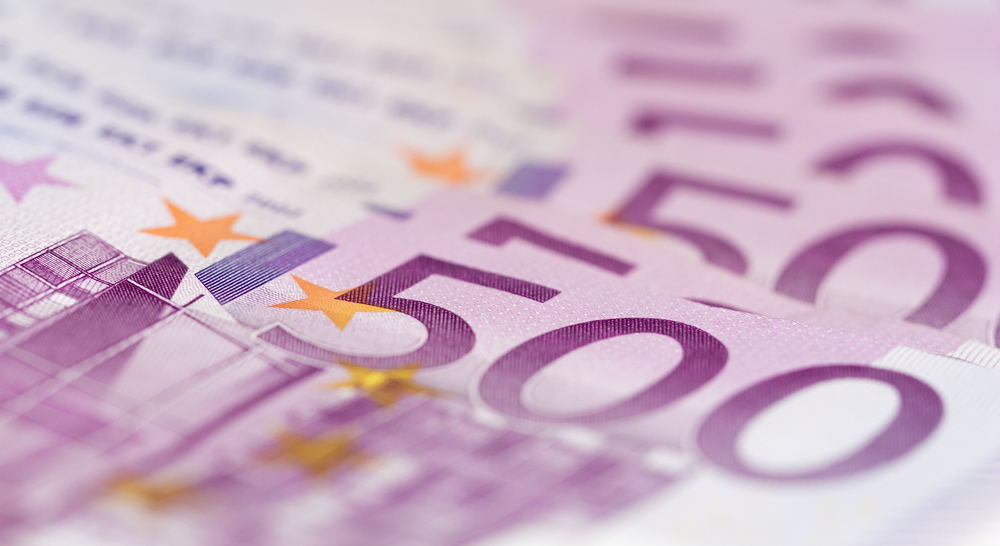
Dutch finance minister Wopke Hoekstra is heading a joint European move to ban the 500 euro note and cash payments of up to €5,000 to prevent money laundering and other criminal activity.

The minister told MPs the plan has the backing of Belgium, France, Italy and Spain, with enough space for the individual countries to lower the threshold for cash payments even further.

Hoekstra is working on a limit of €3,000 in cash payments for the Netherlands as part of a national plan to combat money laundering presented in 2019.

The removal of the bill won’t affect normal consumers, the minister said, because cash payments rarely exceed €1,000 in the Netherlands.

The 500 euro note, which is no longer being printed, still has a circulation of 400 million, representing some €200bn. Hoekstra and his European counterparts want to phase out the bill completely because it is mainly used in criminal transactions.

‘Analysis show the notes end up mostly in Latin American countries, Mexico and China, countries where you can’t even pay for a packet of butter in euros,’ Theo Akse, former chief of the FIU anti money laundering watchdog, told the Telegraaf at the time.

Share this article Add DutchNews to Google
  • Facebook
  • Twitter
  • LinkedIn
  • Reddit
  • Copy URL
Crime Society
Thank you for donating to DutchNews.nl.

We could not provide the Dutch News service, and keep it free of charge, without the generous support of our readers. Your donations allow us to report on issues you tell us matter, and provide you with a summary of the most important Dutch news each day.

Make a donation
Latest
Show more
Dig for d’Artagnan’s grave was illegal, Maastricht says
Rutte gave covid advisers too much weight, inquiry hears
Parents who homeschool children face being prosecuted again
Hantavirus cruise ship passed to resume sailing after deep clean
Buying a house in the Netherlands: a guide to the main steps
NewsHomeEconomyPoliticsArt and cultureSportEuropeSocietyEnvironmentHealthHousingEducation
Life in the NetherlandsLatestOpinionBooksTravel10 QuestionsLearning DutchInburgering with DNFood & DrinkAsk us anything
Partner content
Advertise
About usDonateTeamAdvertiseContact usWriting for Dutch NewsPrivacyNewsletter
© 2026 DutchNews | Cookie settings

Help us to keep providing you with up-to-date news about this month's Dutch general election.

Our thanks to everyone who donates regularly to Dutch News. It costs money to produce our daily news service, our original features and daily newsletters, and we could not do it without you.

If you have not yet made a donation, or did so a while ago, you can do so via these links

The DutchNews.nl team

Donate now

Dutchnews Survey

Please help us making DutchNews.nl a better read by taking part in a short survey.

Take part now