DutchNews.nl - DutchNews.nl brings daily news from The Netherlands in English 27 October 2026
Newsletter Donate Advertise
  • News
  • Life in the Netherlands
  • Jobs
  • Partner content
  • Podcast
  • Advertise
  • About us
  • Search
  • Home
  • Economy
  • Politics
  • Art and culture
  • Sport
  • Europe
  • Society
  • Environment
  • Health
  • Housing
  • Education
  • News
    • Home
    • Economy
    • Politics
    • Art and culture
    • Sport
    • Europe
    • Society
    • Environment
    • Health
    • Housing
    • Education
  • Life in the Netherlands
    • Latest
    • Opinion
    • Books
    • Travel
    • 10 Questions
    • Learning Dutch
    • Inburgering with DN
    • Food & Drink
    • Ask us anything
  • Jobs
  • Partner content
  • Podcast
  • Advertise
  • About us
    • Donate
    • Team
    • Advertise
    • Contact us
    • Writing for Dutch News
    • Privacy
    • Newsletter
  • Search

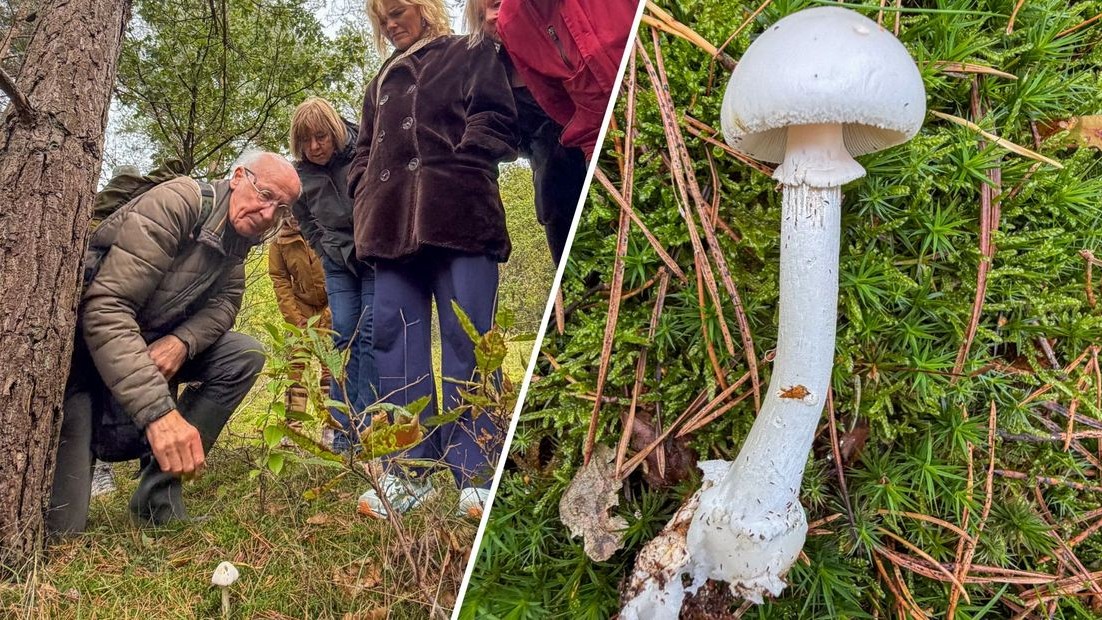
Rare “angel of death” mushroom found growing in Soest
October 27, 2026
Discovery of the mushroom. Photo: Marcella Langhout

See more DutchNews articles in your Google search results

See more DutchNews articles in your Google search results

Add as a favourite source on Google Add DutchNews as a favourite source on Google

An extremely rare poisonous mushroom known as the “angel of death”, or formally Amanita virosa, has been discovered growing in Soest, a town in the Utrecht countryside.

It is considered a “notorious” species of fungus among mycologists, according to RTV Utrecht, for its toxicity and rarity. It was presumed extinct in the region and is designated as endangered.

Mycologist Rob Chrispijn told RTV he “jumped for joy” when he found one growing while leading a tour of the De Paltz estate in Soest. The species’ decline has come amid increased acidity in the soil, something related to the nitrogen crisis.

The fungus can be easily mistaken for an edible button mushroom, but failing to distinguish it before picking and eating could be life-threatening.

Chrispijn said that symptoms wouldn’t be immediate, but later you could suffer severe gastrointestinal problems and nausea after digesting, and “after two days, the liver and kidneys are affected, and the consequences can be permanent.”

Only two of the mushrooms were found on the estate, one of which is being examined for research. The other is remaining in the ground where it was, but Chrispijn said he isn’t worried anyone will be careless enough to eat it.

Share this article Add DutchNews to Google
  • Facebook
  • Twitter
  • LinkedIn
  • Reddit
  • Copy URL
Uncategorized Wildlife
Thank you for donating to DutchNews.nl.

We could not provide the Dutch News service, and keep it free of charge, without the generous support of our readers. Your donations allow us to report on issues you tell us matter, and provide you with a summary of the most important Dutch news each day.

Make a donation
Latest
Show more
Netherlands to stay away from Eurovision Song Contest after all
The dual nationality dilemma: what Dutch News readers say
Fatal Rotterdam explosion suspect acquitted for lack of evidence
Education minister threatens to pull funding from Islamic school
Rare "angel of death" mushroom found growing in Soest
NewsHomeEconomyPoliticsArt and cultureSportEuropeSocietyEnvironmentHealthHousingEducation
Life in the NetherlandsLatestOpinionBooksTravel10 QuestionsLearning DutchInburgering with DNFood & DrinkAsk us anything
Partner content
Advertise
About usDonateTeamAdvertiseContact usWriting for Dutch NewsPrivacyNewsletter
© 2026 DutchNews | Cookie settings

Help us to keep providing you with up-to-date news about this month's Dutch general election.

Our thanks to everyone who donates regularly to Dutch News. It costs money to produce our daily news service, our original features and daily newsletters, and we could not do it without you.

If you have not yet made a donation, or did so a while ago, you can do so via these links

The DutchNews.nl team

Donate now

Dutchnews Survey

Please help us making DutchNews.nl a better read by taking part in a short survey.

Take part now