Keti Koti festivals underway to commemorate the end of slavery
See more DutchNews articles in your Google search results
See more DutchNews articles in your Google search results
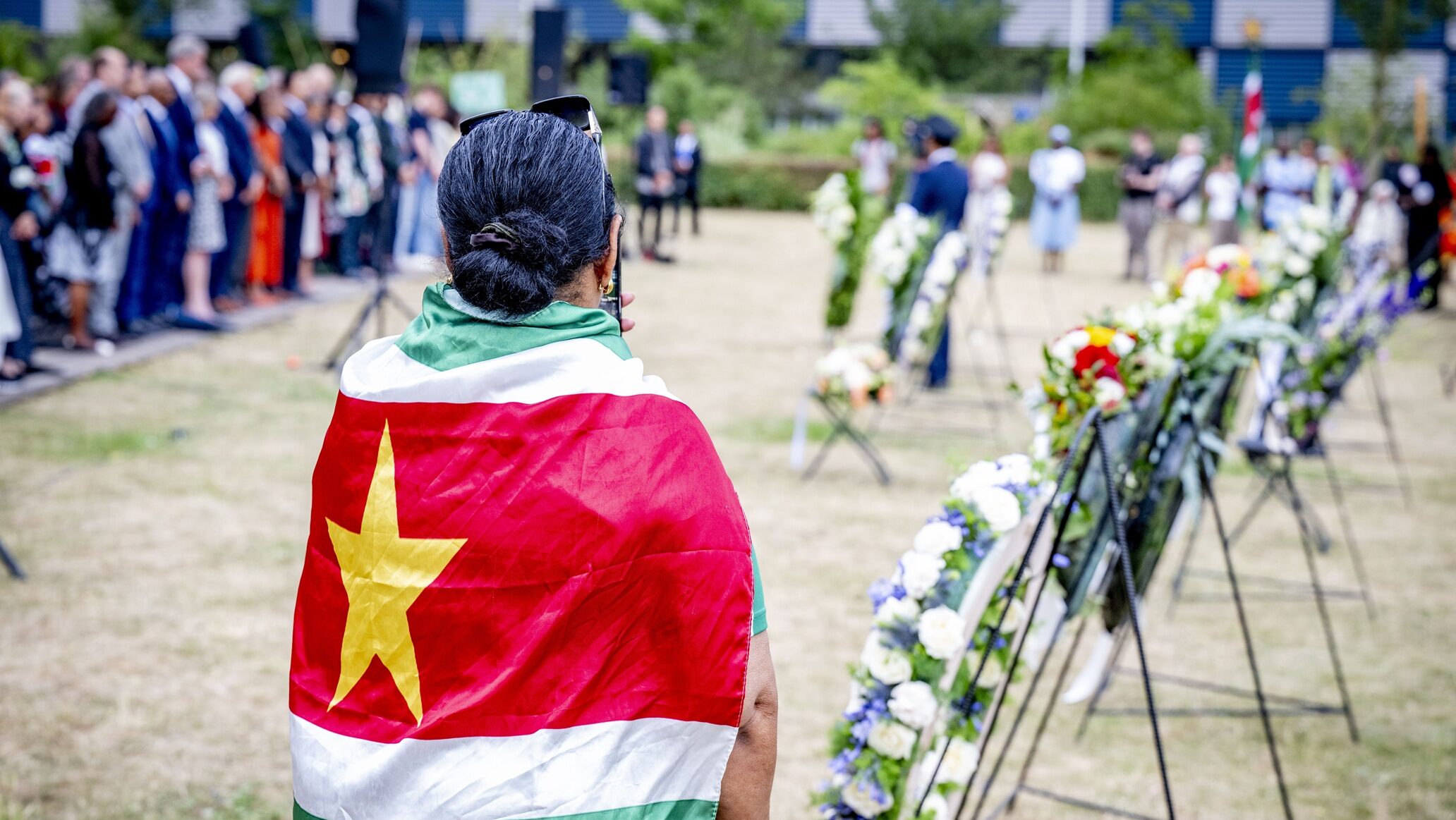
Add as a favourite source on Google Add DutchNews as a favourite source on GoogleWednesday marks the 163rd anniversary of the end of slavery in the Dutch colonies and Keti Koti celebrations are underway around the country.
Slavery was formally abolished in the former colonies of Suriname and the Dutch Antilles on July 1, 1863, ending a period of around 200 years.
Keti Koti, which means ‘broken chains’ in the Surinamese language Sranantongo, has been celebrated in various Dutch cities on July 1 since 2002.
In Amsterdam, the Keti Koti Festival on Museumplein begins at 13:00 with a minute of silence to remember the victims of slavery. The event is broadcast live.
The theme of the 2026 event is “Shoulder to Shoulder.”
In the morning, a parade featuring dancers and traditional clothing from Suriname and the Caribbean will set off across the capital, ending in the Oosterpark.
Prime minister Rob Jetten spoke at the Suriname Museum on Tuesday. “Jetten has made a concrete commitment that he wants to work towards developing policy on healing and recovery. That is a positive signal for us,” Mitchell Esajas told the NOS.
Esajas managed the Black Archives, a collection of documents and artifacts about Black Dutch writers and scientists, that is housed at the museum.
In Rotterdam, the festival is held in Wijkpark Oude Westen, with additional performances at the Schouwburgplein.
Three years ago, King Willem-Alexander formally apologised for the Netherlands’ slave trading history at the commemoration. Prime minister Mark Rutte apologised the year before and promised a “comma, not a full stop”, signalling that the discussion needed to continue.
July 1 is a national holiday in Suriname and there is a campaign under way to have it made a public holiday in the Netherlands as well.
Thank you for donating to DutchNews.nl.
We could not provide the Dutch News service, and keep it free of charge, without the generous support of our readers. Your donations allow us to report on issues you tell us matter, and provide you with a summary of the most important Dutch news each day.
Make a donation