Partner content
Why renting outside the big cities is the smart move in 2026
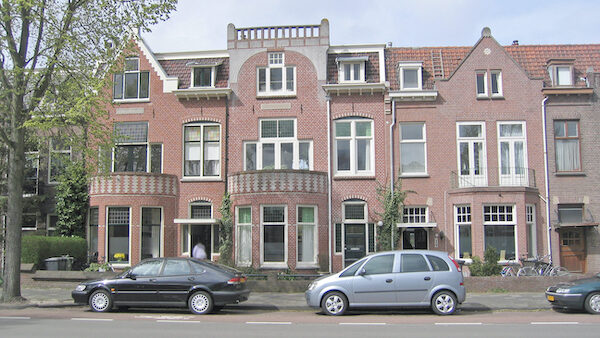
Moving to the Netherlands for work usually means aiming for one of the big five cities, but in 2026 the smarter search may start just outside them. Supply in the Dutch private rental sector has been shrinking for a couple of years now, and roughly 42% of unregulated listings now ask more than €2,000 a month, up from 36.5% a year ago, according to Pararius.
That pressure is heaviest exactly where most international jobs are: Amsterdam, Rotterdam, Utrecht, The Hague, and Eindhoven, the so-called G5. Competing directly for a place in one of those cities has become harder. Living just outside them often hasn’t.
That’s mostly down to the trains. The Netherlands is small and its rail network is dense, so a city 15 or 20 minutes down the line by Intercity isn’t really a compromise; it’s closer to a different neighbourhood with better rent.
Here’s where to look around each of the five.
Around Amsterdam, Haarlem is 15 minutes from Amsterdam Centraal and has its own historic centre rather than feeling like an overflow suburb. Amstelveen has direct tram links to the city and tends to suit families looking for more space. Almere, a little further out at about 20 minutes, offers newer, better-insulated housing at a noticeably lower price per square metre. It’s worth comparing current listings of apartments in Amsterdam to get a sense of the price gap.
Between Rotterdam and The Hague, the two cities are close enough together to be linked by both regular trains and the RandstadRail light rail network, which makes the towns in between especially practical. Delft, a canal city almost exactly halfway between the two, and Schiedam, known for its old distilleries and comparatively roomy housing, are both a short train ride from either city. Either lets you keep both cities’ job markets within reach. See what’s listed under apartments in Rotterdam and apartments in The Hague for comparison.
Around Utrecht, the city’s position as the country’s rail hub makes its satellites unusually convenient. Amersfoort, a 15-minute ride away, has a medieval centre and rents that run well below Utrecht’s own. Zeist and Nieuwegein are quieter and greener, and popular with families for exactly that reason. Current listings of apartments in Utrecht are a useful baseline for comparison.
Around Eindhoven, the Brainport tech region stretches well past the city itself. Veldhoven, home to ASML’s headquarters, Best, and Helmond are all tied into the regional transit network and offer a shorter, often bike-friendly commute straight to the tech campuses. Have a look at apartments in Eindhoven to see how the core city compares.
The financial case is fairly straightforward. Amsterdam averages €28.53 per square metre a month, according to the latest Pararius Huurmonitor. A place like Almere or Amersfoort runs considerably lower, which in practice means a two-bedroom home for roughly what a studio costs centrally. Newer buildings in these satellite towns also tend to carry better energy labels, which can shave €100 to €200 off monthly utility bills compared with an older, poorly insulated city-centre flat. And since most Dutch employers reimburse commuting costs, often tax-free, the extra travel is frequently close to free in practice.
What this means for your search
Before signing anywhere outside the city you work in, run the door-to-door commute through the NS journey planner at the times you’d actually travel, and check with your employer how commuting costs are reimbursed, since arrangements vary. The energy label on a listing is a good early indicator of what your monthly bills will look like.
The usual paperwork still applies outside the big cities: landlords generally expect a gross income of three to four times the monthly rent, so have your employment contract, recent payslips, and a short rental history ready before you apply. Pararius only lists properties from verified, professional agents, and the satellite towns sit right alongside the cities in its search.
You can view all listings here.
Thank you for donating to DutchNews.nl.
We could not provide the Dutch News service, and keep it free of charge, without the generous support of our readers. Your donations allow us to report on issues you tell us matter, and provide you with a summary of the most important Dutch news each day.
Make a donation