Philips settles sleep apnoea case with US regulators for €288m
See more DutchNews articles in your Google search results
See more DutchNews articles in your Google search results
Add as a favourite source on Google Add DutchNews as a favourite source on GoogleHealth technology giant Philips has paid the US justice department €288 million to settle a long-running lawsuit over its defective sleep apnoea devices.
The Amsterdam-based company included the figure in its quarterly results, which also showed the company’s orders and turnovers growing strongly even though its profits dropped sharply.
CEO Roy Jakobs said the agreement in principle with the US government drew a line under the problems with its Respironics machines.
He said it was a “very important step” that would allow Philips to “get back to focusing on innovation”.
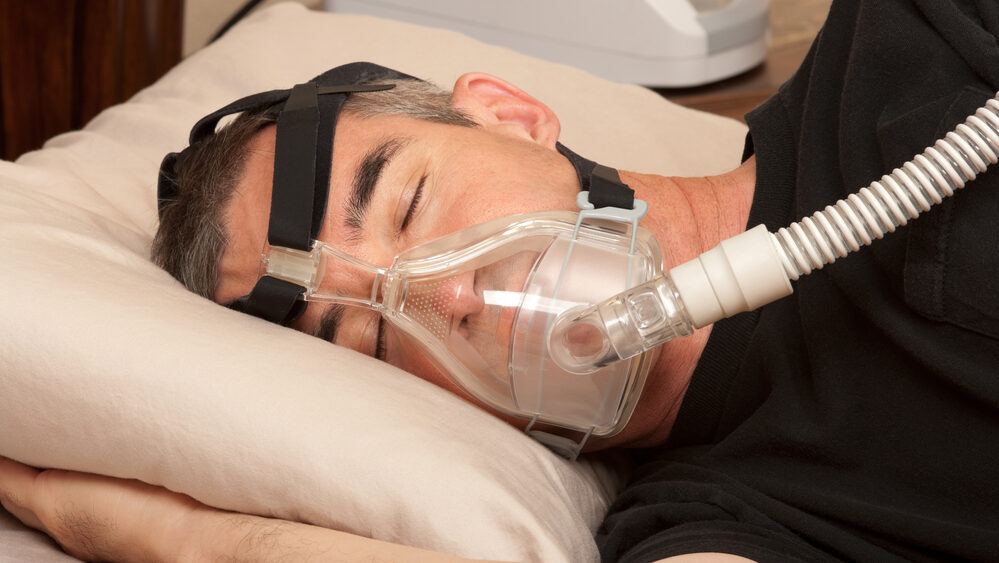
The company had to recall 5.5 million machines and 17 million sleep masks worldwide after it emerged that tiny foam particles could be released during cleaning and then inhaled.
Suppressed reports
US regulators started legal action after Philips was found to have suppressed complaints from customers and reports warning it about the risk of using polyster foam in its masks for five years before it began recalling the machines in 2021.
The company also settled a mass claim by users, some of whom said the foam particles had caused lung and nasal cancer, for €1.1 billion two years ago. Philips did not admit liability for the patients’ health problems.
Philips saw its group sales grow by 3% in the third quarter to €4.4 billion. Profits dropped from €187 million to €28 million, partly reflecting the settlement of the sleep apnoea cases.
In the previous quarter the company posted a €186 million windfall in tariffs repaid by the Trump administration after the United States Supreme Court ruled they had been levied illegally.
Jakobs said Philips was reaping the fruits of investing in AI to make medical devices smarter and more efficient.
AI robots had cut the time for MRI scans to be halved, allowing hospitals to scan more patients in a day and cut waiting lists, the CEO said. “It’s great for the patient and the hospital to reduce the waiting list so that they can now help twice as many people for the same cost.”
Thank you for donating to DutchNews.nl.
We could not provide the Dutch News service, and keep it free of charge, without the generous support of our readers. Your donations allow us to report on issues you tell us matter, and provide you with a summary of the most important Dutch news each day.
Make a donation