Erkens claims wolves can be culled despite EU protected status
See more DutchNews articles in your Google search results
See more DutchNews articles in your Google search results
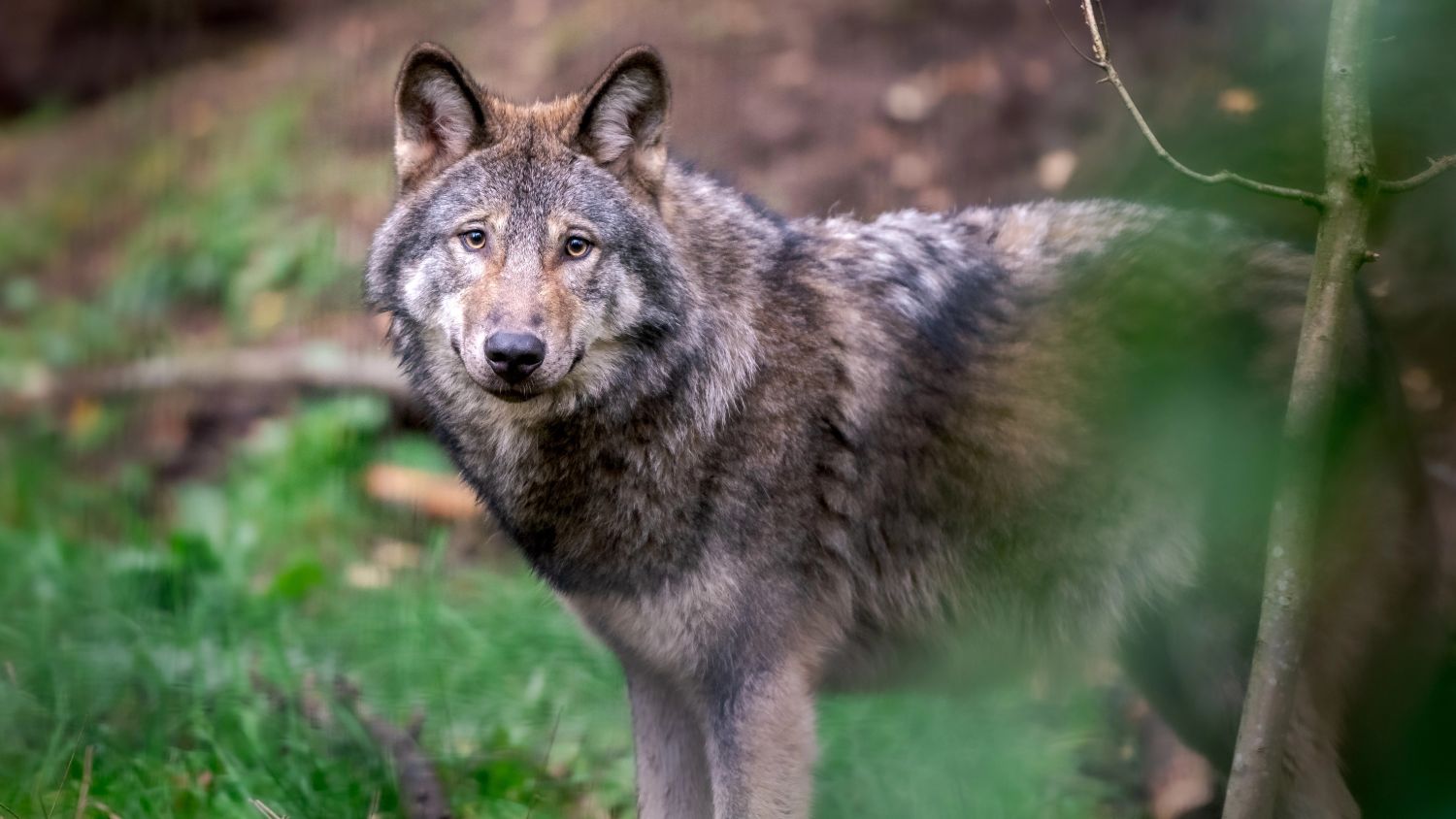
Add as a favourite source on Google Add DutchNews as a favourite source on GoogleJunior agriculture minister Silvio Erkens has moved a step closer to allowing provinces to shoot wolves for population control.
Erkens said in a letter to parliament that the Netherlands could comply with EU conservation rules with 11 wolf packs, three fewer than the current number, after studying a report commissioned by his predecessor, Jean Rummenie of the farmers’ party BBB.
Experts have warned that the report by Italian independent researcher Marco Appollonio was flawed and likely to face legal challenges if he went ahead with measures based on its findings.
Rummenie ordered Appollonio to study the Dutch wolf population after rejecting an earlier analysis by Wageningen University & Research, the Netherlands’ leading agricultural college, which concluded that the Netherlands could sustainably support between 23 and 56 wolf packs.
Appolonio concluded that the wolf population in the Netherlands is “genetically healthy” and the country met the European Union’s criteria for maintaining a standing population of wolves, Erkens said.
“This confirmation that conditions in the Netherlands are favourable for a maintained population make it possible to manage wolves in the Netherlands, and that is the decision I am taking in principle,” the junior minister wrote.
Wolf-free zones
EU rules require member states to identify how many wolves they can support and recognise their place in the ecosystem as apex predators. Wolves contribute to biodiversity by controlling populations of species such as wild boar and deer and forcing them to disperse, which protects the plants they feed on.
Erkens said he wants to create wolf-free zones by asking provinces to identify areas that are suitable for wolves to roam, where they should be confined.
This would help reduce the number of confrontations with people and their pets and mean less damage caused by wolves feeding on livestock, he argued.
But ecologists say the study is likely to fall foul of EU rules because Rummenie asked Appolonio to take into account the economic impact of wolves, something the EU explicitly forbids.
The European Court of Justice said in a recent ruling against Austria that preventing loss of livestock was not a valid reason on its own for culling wolves, after a farmer was allowed to kill a wolf that had killed 20 of his sheep.
Problem wolf
Arie Trouwborst, professor of nature conservation law at Tilburg University, told NOS: “That binding report by the court has been completely ignored in the Italian report. The report from Wageningen showed that a minimum of 23 packs are needed to fulfil the [EU] criteria.”
In the Netherlands a so-called “problem wolf” was shot dead under licence last year after it attacked walkers in the near Utrecht, but only after a protracted court battle between the provincial government and conservation group Faunabescherming.
Erkens has called a national wolf summit in February where provincial and local government, vets and representatives of the tourism and recreation industry will discuss the government’s strategy.
He also plans to work more closely with Germany, Belgium and Luxembourg to draw up a common policy on wolf populations and press the EU to recognise the interests of “very small densely populated countries such as the Benelux countries.”
Thank you for donating to DutchNews.nl.
We could not provide the Dutch News service, and keep it free of charge, without the generous support of our readers. Your donations allow us to report on issues you tell us matter, and provide you with a summary of the most important Dutch news each day.
Make a donation