Dutch state collecting too much data on activists, report says
See more DutchNews articles in your Google search results
See more DutchNews articles in your Google search results
Add as a favourite source on Google Add DutchNews as a favourite source on GoogleThe Dutch institute for human rights says it is concerned about how much information the government is collecting on political activists, and fears an expansion in technological and legal powers by state forces could suppress protests in the future.
In its annual report, the institute looked at the different ways local authorities collect information on protestors. Legally, it says, people only need to notify that demonstration will take place – not get permission. And they can do that anonymously, the report says.
But several local authorities ask for personal information from people when they register a protest notification. Institute chair Rick Lawson told broadcaster NOS that organisers are asked for their name, where they live, whether they have social media accounts, who they expect to attend and what message they want to put across.
That information can help councils and police make sure a protest runs smoothly and assess the risk of counter-protests or disorder, Lawson said. “That is understandable, but it leads to distrust.”
A specialist unit in the Dutch police called TOOI researches people through social media and other sources before a protest goes ahead to prevent potential threats. Police also gather information from citizen informants and officers on the street. The institute wants these powers limited to what can be legally justified in every case.
The use of cameras at demonstrations is a case in point. They can be used for facial recognition at protests under strict circumstances but never in real-time. What data is collected and how long it actually stored in reality is a threat that could deter lawful protesting, the institute says.
Three new bills seeking to expand data collection powers are currently in the works, which the institute stresses are not necessary. It says 97% of protests go ahead without incidents, and only 0.03% ever record more than 10 incidents.
The institute is calling on the government to be cautious about implementing new powers, to collect as little personal data as possible on notification forms and make clear that organisers can notify anonymously, and to tell people what information is held on them and what rights they have.
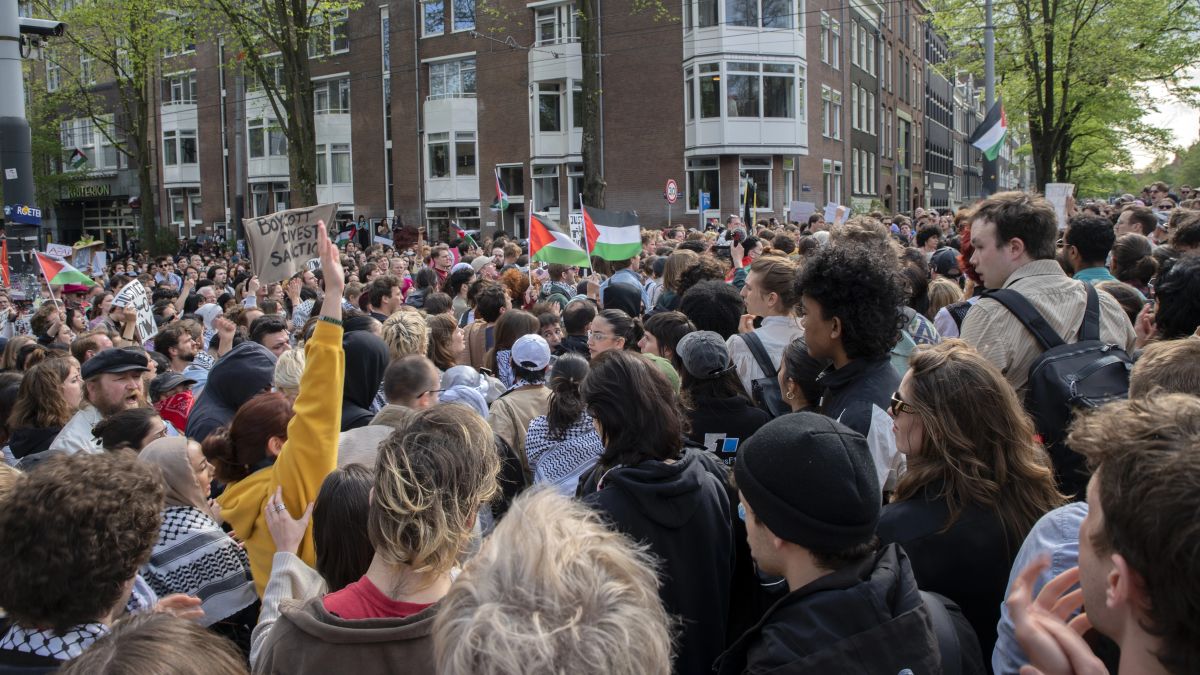
The report follows a year of frequent protesting, often over the influx of asylum seekers. Mass protests against the war on Gaza have also been held four times this year and last.
Thank you for donating to DutchNews.nl.
We could not provide the Dutch News service, and keep it free of charge, without the generous support of our readers. Your donations allow us to report on issues you tell us matter, and provide you with a summary of the most important Dutch news each day.
Make a donation