Netherlands sets out route map to phase out fossil fuels
See more DutchNews articles in your Google search results
See more DutchNews articles in your Google search results
Add as a favourite source on Google Add DutchNews as a favourite source on GoogleThe Netherlands has become the second country in the world to publish detailed plans of how it intends to end its dependence on fossil fuels.
The Dutch government followed France in outlining a so-called “route map” to phasing out oil, gas and coal, in the run-up to the UN Climate Change Conference in Turkey in November.
The plan drew praise from international climate change experts for giving definition to the Netherlands’ ambitions, but there was also criticism for the failure to set a firm deadline.
The decision to draw up national route maps was an outcome of a smaller-scale summit organised by the Netherlands and Colombia in April to discuss moving away from fossil fuels, which 50 countries attended.
France was the first country to publish its plan, which was mostly a summary of existing policies and targets, such as ending the use of coal by 2030, oil by 2045 and gas by 2050.
The Dutch plan includes a reassertion of its commitment to stop using coal-fired power stations to produce electricity by 2030, but other targets have been delayed or downgraded.
Goals downgraded
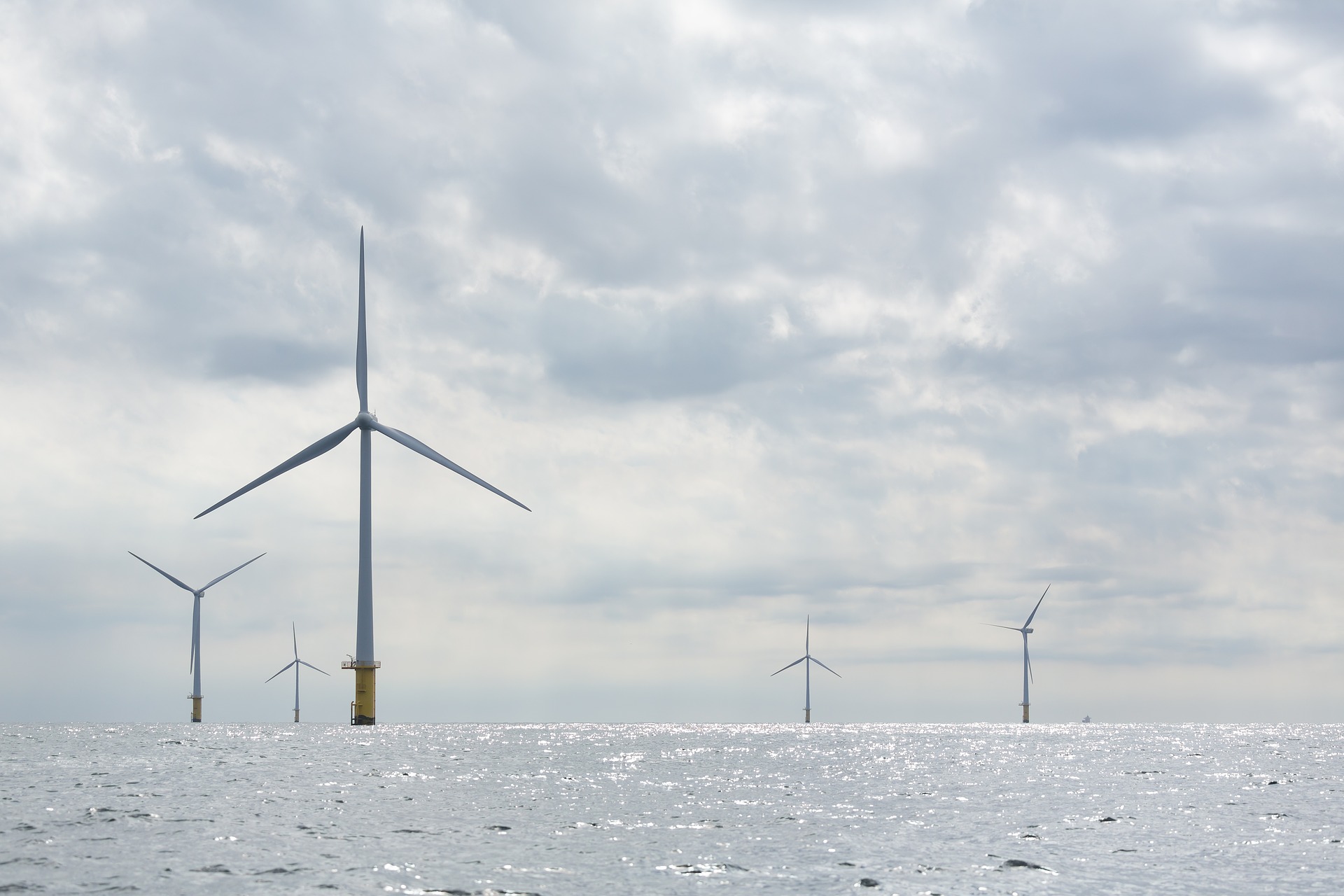
The Netherlands has reduced the amount of wind energy it wants to produce at sea, abandoned its goal of making the electricity network CO2 free by 2035 and will not meet the EU’s target of reducing emissions by 90% by 2040.
Natalie Jones, of the International Institute for Sustainable Development, said the Dutch plan was a “good example for other countries”.
But climate campaigners were more critical. Maarten de Zeeuw of Greenpeace Nederland told Trouw: “The biggest problem is that unlike France, there is no clear end date. You can call it a route map, but you don’t know where the route is going.”
Joyeeta Gupta, professor of environment and development at the University of Amsterdam, said the plan did not go far enough, given that the limit for global warming of 1.5 degrees C, set in the 2015 Paris Agreement, has almost been reached.
“Already 25 million people a year are fleeing because of the climate crisis, and that is just one of the many terrible consequences,” she said.
A spokesman for the Dutch environment ministry said the route map reflected the Netherlands’ ambition to lead the group of countries that wanted to take a pro-active role on climate change. “The fact that we have made our own route map helps our credibility,” the spokesman said.
Thank you for donating to DutchNews.nl.
We could not provide the Dutch News service, and keep it free of charge, without the generous support of our readers. Your donations allow us to report on issues you tell us matter, and provide you with a summary of the most important Dutch news each day.
Make a donation