Partner content
Essential appliance guide: 5 things to sort before moving to NL
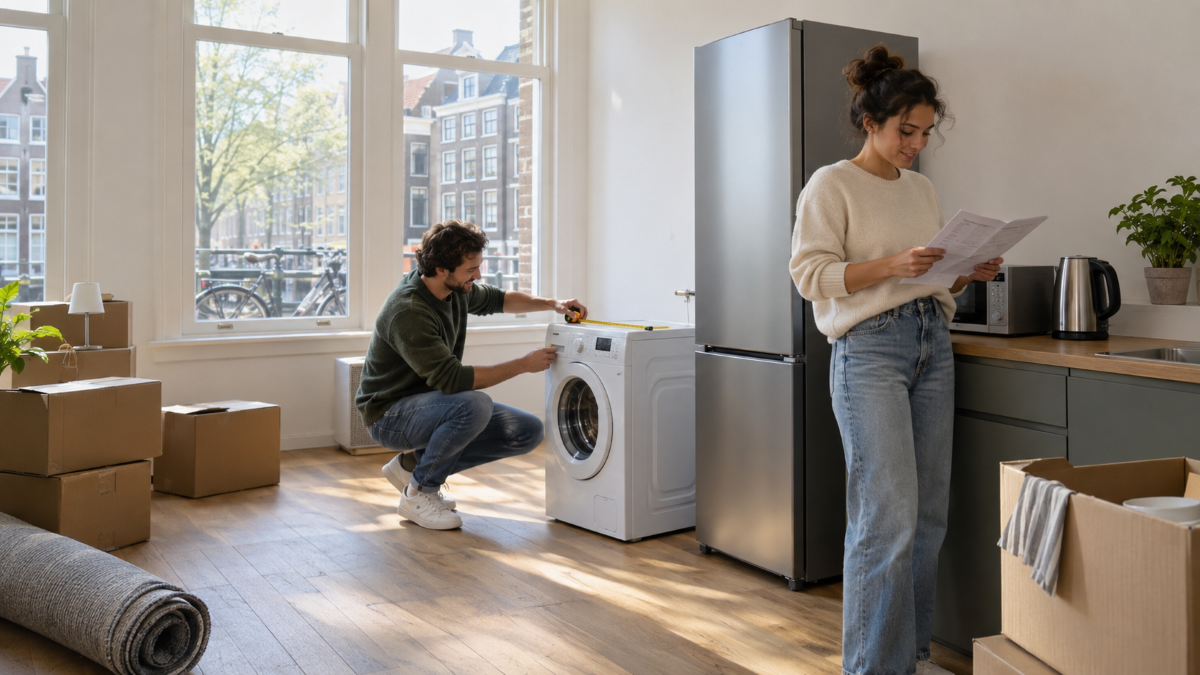
Relocating to a new country is an exciting adventure, but the logistics of setting up a new home can quickly become overwhelming. Among the lease negotiations, visa paperwork, and packing boxes, one critical aspect often gets overlooked until the last minute: sourcing household appliances. In countries like the Netherlands, rental properties frequently come completely unfurnished, sometimes lacking even basic kitchen white goods, flooring, or light fixtures. Navigating this transition requires a strategic approach to equipping your new living space.
Setting up a functional household starts with prioritizing laundry and kitchen essentials. It is highly recommended to plan these acquisitions before your arrival to avoid laundromat runs during your first hectic week. If you need to buy washing machine units or larger tumble dryers in the Netherlands, sourcing them from reliable local retailers ensures you get European-standard, energy-efficient models. Furthermore, ordering early guarantees that delivery and installation can be synchronized with your move-in date, saving you significant time, stress, and unnecessary accommodation costs.
1. Decipher the local rental market definitions
Bare, upholstered, or furnished?
When moving abroad, especially to the Netherlands, housing listings use specific terms that dictate what appliances are included. A “bare” (kaal) apartment is a blank canvas: it literally has no flooring, light fixtures, or kitchen appliances. “Upholstered” (gestoffeerd) properties usually include flooring, curtains, and built-in kitchen appliances like a hob and fridge, but rarely a washing machine. Fully furnished (gemeubileerd) apartments have everything. Understanding these distinctions early prevents the shock of walking into an empty apartment with nowhere to cook or wash clothes.
2. Verify voltage, hertz, and plug compatibility
Why your old appliances might not work
Do not assume your current small appliances will work perfectly abroad. The electrical grid in Europe operates on a 230V voltage and 50Hz frequency, compared to the 120V and 60Hz standard in North America. High-draw appliances such as hair dryers, blenders, and microwaves brought from overseas can easily short-circuit or pose a fire hazard, even with a plug adapter. It is almost always safer and more cost-effective to sell your high-draw appliances before moving and purchase new, compatible ones locally.
3. Measure tight spaces and stairwells
The reality of historic European architecture
Expats moving into historic European city centers, such as Amsterdam or Utrecht, often face a unique logistical challenge: incredibly narrow, winding staircases. Large, double-door American-style refrigerators or oversized dryers simply will not fit through these tight corridors. Before purchasing any major appliance, measure your doorways, hallways, stairwells, and elevator dimensions. In some cases, you may need to hire an external moving lift (verhuislift) to transport heavy appliances through a window.
4. Understand European energy labels
Saving money on utility bills
With energy prices remaining a key consideration across Europe, understanding the EU energy rating system is crucial. The energy labels were updated in 2021, moving away from the old A+++ system to a simpler A-to-G scale. An appliance rated ‘A’ or ‘B’ under the new scale is exceptionally efficient. Investing in highly rated eco-friendly appliances might cost more upfront, but it will significantly reduce your monthly utility bills over time, making it a wise long-term financial decision.
5. Arrange delivery and professional installation
Avoiding the curbside pitfall
Many expats assume that delivery services automatically include carrying the appliance up to their apartment and installing it. However, standard delivery often only covers “curbside” drop-off. Hauling a 70kg washing machine up four flights of stairs is not a DIY job. When ordering your appliances, always select and pay for premium delivery and installation services. This ensures professional technicians hook up the water inlets, level the machine to prevent vibration damage, and dispose of the heavy packaging materials.
Relocating across borders is a massive milestone. By sorting your appliance logistics early, from understanding rental specs to checking energy ratings, you can turn a bare apartment into a warm, fully functioning home on day one. Plan ahead, measure twice, and rely on local experts to make your transition as smooth as possible.
Thank you for donating to DutchNews.nl.
We could not provide the Dutch News service, and keep it free of charge, without the generous support of our readers. Your donations allow us to report on issues you tell us matter, and provide you with a summary of the most important Dutch news each day.
Make a donation