Partner content
New in NL: Should you go for a traditional Dutch bank or go neo?

The financial services industry in the Netherlands has changed enormously in recent years, shaken up by the internet, changing customer demand and banking apps. So what is best for you – an account with a more traditional bank or an online-only version?
One of the first things you need to do when establishing yourself in the Netherlands is to set up a bank account, so you are ready to pay rent, use public transport and access your salary as soon as you hit the ground.
The rise of fintech – technology-driven financial services – and neo banks, which are online-only alternatives to traditional banks, has increased the choices available to expats, but there are some things to consider before you decide what sort of bank to go for.
Ask questions in English
For a start, think about how you want to communicate with your bank. Are you happy using a chatbot to get answers to your questions – or, as often happens, one that fails to give you a proper answer at all? Or would you prefer to speak directly to a human being?
ABN Amro, for example, has a team of English-language advisors who are there to answer your questions by phone or online. You can set up a face-to-face online meeting with one of them from anywhere in the world, before you have even arrived.
Decades of experience
Another important difference between more traditional banks and the fintechs comes down to experience. Traditional banks have many more years of experience in helping clients and know what makes them tick. ABN Amro has been serving hundreds of thousands of internationals and expats for over 25 years, devising products which are directly tailored to their needs.
In addition, the traditional Dutch banks are all rooted in the Netherlands, so they are well versed in their domestic market and understand local financial needs.
Expat banking can be complicated
Unlike neo banks, traditional banks also operate high-street branches where you can go personally to sort out paperwork or other issues which are difficult to deal with online. Expats, in particular, may have more complicated financial needs, such as being paid a salary in a different currency.
In addition, neo banks and fintechs mainly offer current and savings accounts but not the other financial services which you need to establish yourself in the Netherlands, which means you cannot take care of all your financial needs under one roof.
That’s fine, of course, if you are happy shopping around. But if simplicity and ease are important to you, it would be sensible to look at a bank which offers wider services.
Think insurance, for example, or pensions, or a mortgage – if you are planning to stay in the Netherlands for longer. Traditional banks cater to your long-term financial needs, not just your immediate ones, offering more specialist wealth management and private banking services as well as instant payments and cash withdrawals.
Online banking services
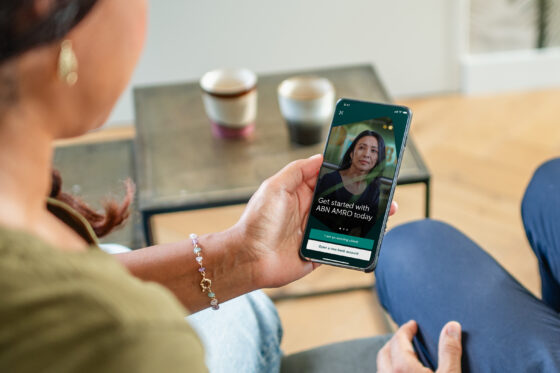
Of course, traditional banks have evolved alongside digital-first providers, offering many of the same online banking features that customers expect today. You can bank via your phone, use your (online) direct debit card at home and abroad, seamlessly make and accept payments in other currencies and keep a close eye on your daily spending patterns – all of which are part of the modern approach to banking.
In that sense, the difference between a high-street and an online bank is virtually non-existent. The main differences become apparent when customers need personal support or access to a broader range of financial services which the neo banks don’t offer.
In fact, there may even be financial advantages to opening an account with a more traditional bank! ABN Amro, for example, is currently offering up to €175 cashback for new customers who open their first current account.
Thank you for donating to DutchNews.nl.
We could not provide the Dutch News service, and keep it free of charge, without the generous support of our readers. Your donations allow us to report on issues you tell us matter, and provide you with a summary of the most important Dutch news each day.
Make a donation