More deposit bottles returned but still short of legal mandate
See more DutchNews articles in your Google search results
See more DutchNews articles in your Google search results
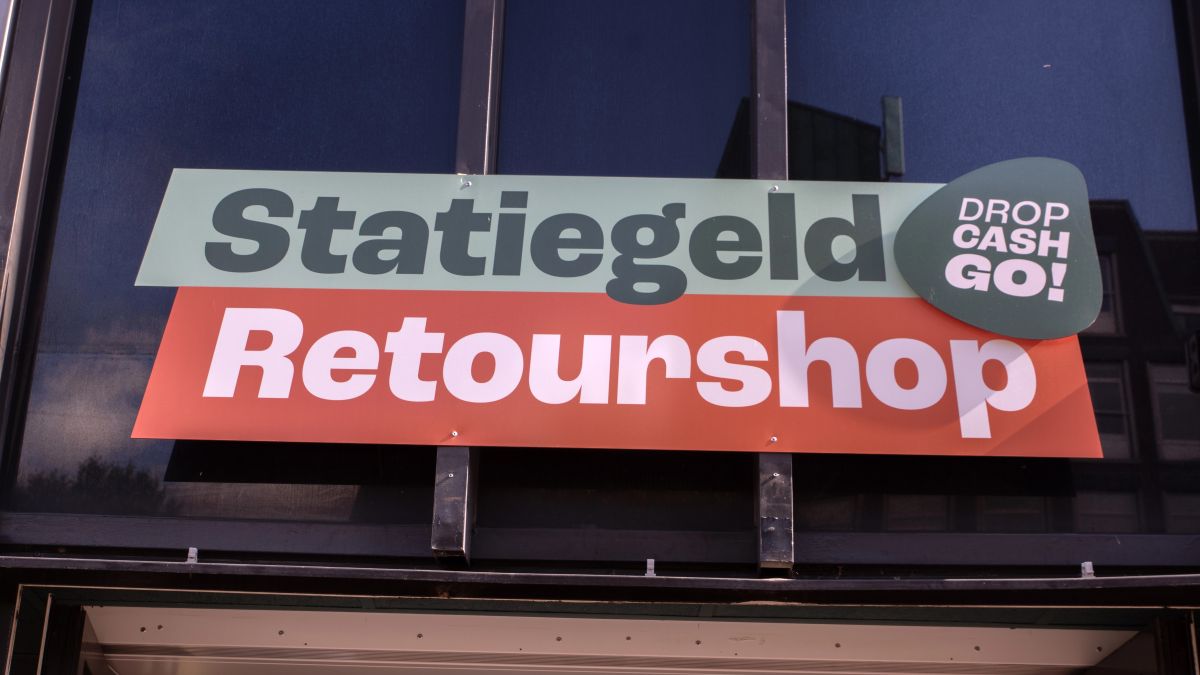
Add as a favourite source on Google Add DutchNews as a favourite source on GoogleAlthough more people are returning their cans and bottles for recycling and cash back, the mandatory collection target of 90% is not being met, just as it hasn’t since the deposit scheme was first introduced five years ago.
According to Verpact, the foundation that oversees the statiegeld (deposit) system in the Netherlands, based on figures from the first half of the year, 78% of deposit bottles will be collected in 2026; for cans, that number jumps to 86%.
Since 2021, when the deposit scheme for bottles and cans was first introduced, producers and importers have been required by law to collect and recycle 90% of plastic bottles and cans.
While the percentages have been increasing – last year 77% of plastic bottles and 83% of cans were returned – the 90% target is unlikely to be reached again this year, according to Verpact’s preliminary 2025 annual report.
“We cannot continue doing what we have always done and expect to continue meeting our statutory targets in the future,” said Hester Klein Lankhorst, Verpact’s chair of the executive board, of the changing European landscape.
She said companies currently not taking a deposit should be obliged to and calls for more recycling capacity in Europe. She sees a ban on selling cans and bottles without deposits as a possible future step.
Fines
Following the Human Environment and Transport Inspectorate’s (ILT) threat of fines this year, Verpact came up with additional incentives for consumers: a national sweepstakes with cash prizes for those returning their bottles and cans and even a lottery to encourage people to do so.
Verpact also added 2,500 more drop-off points this year, saying it expects to meet its legal requirement to have 5,400 new collection points in supermarkets and public places before the end of the year.
Verpact invested more than €220 million in the deposit system last year and paid €626 million to consumers who returned their recyclables. But by failing to hand in all their bottles and cans, Dutch consumers left €129 million unclaimed. That money goes back into the deposit system and is spent on items like new return machines.
The Netherlands has some 9,900 deposit-return points and 23,000 donation points.
And although coffee capsules are not part of the cash-back scheme, since January 1, 2026, consumers can return them – along with household aerosols (think deodorant or whipped cream cans) – in the PMD bins (plastic packaging, metal packaging, and drink cartons) due to an agreement between Verpact and the Coffee Capsule Recycling Association, reports NU.nl.
Thank you for donating to DutchNews.nl.
We could not provide the Dutch News service, and keep it free of charge, without the generous support of our readers. Your donations allow us to report on issues you tell us matter, and provide you with a summary of the most important Dutch news each day.
Make a donation