Forget Belgian roads, we need to talk about Dutch drivers
Molly Quell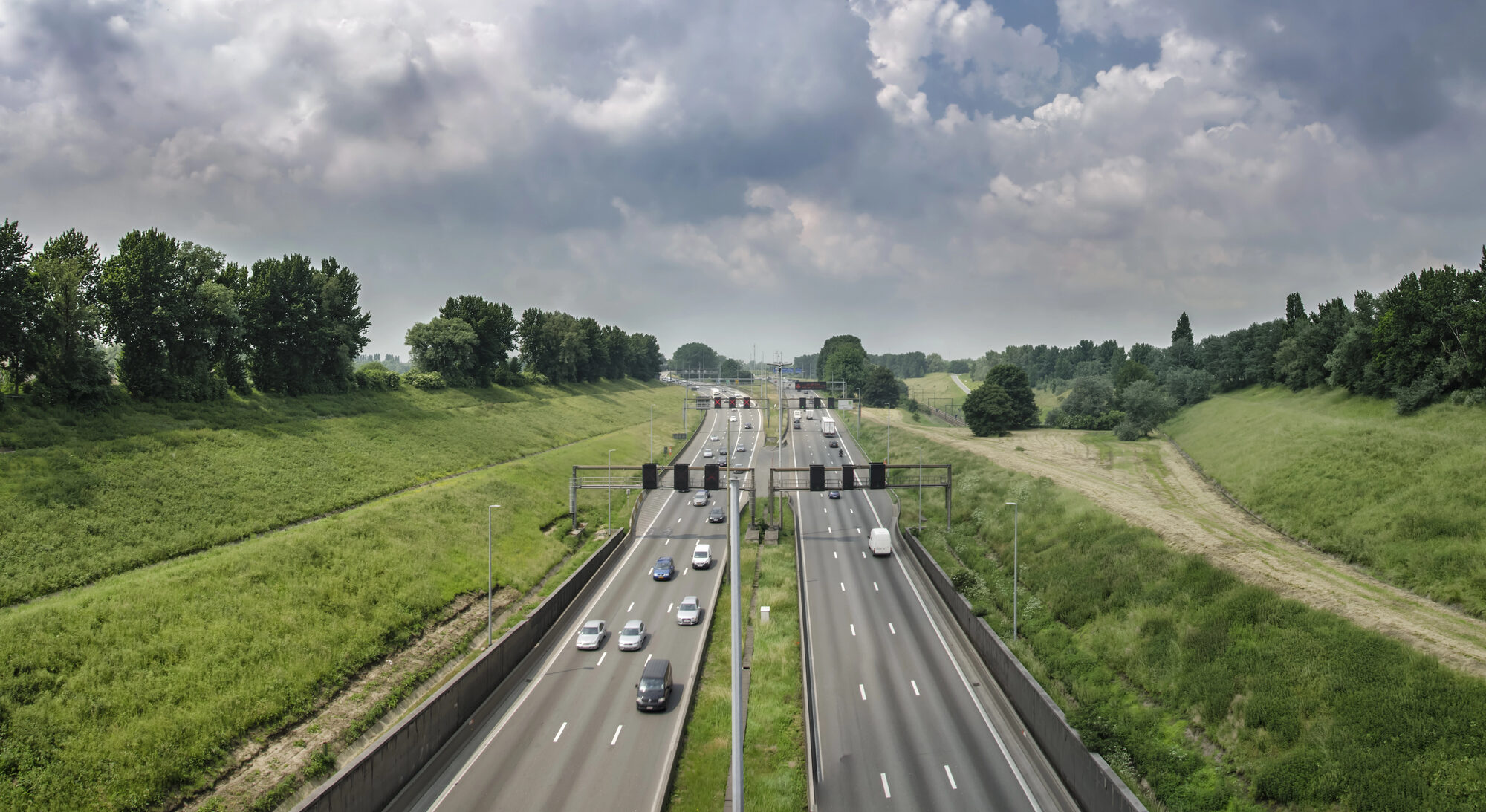
See more DutchNews articles in your Google search results
See more DutchNews articles in your Google search results
Add as a favourite source on Google Add DutchNews as a favourite source on GoogleOur regular columnist Molly Quell drove through Belgium and France on her holiday and has developed some strong feelings about road design.
I’ve just returned from the most sacred of Dutch annual traditions. No, not early Sinterklaas festivities or a kring party for my mother-in-law’s birthday.
The yearly pilgrimage to France.
Don’t tell the authorities, as they may well take my passport, but this was my first year making the summer trek south to soak up the sun, drink plenty of wine and contribute to the wear and tear on Belgian roads.
In fact, as a childless adult, I don’t often take a proper summer holiday. Who wants to pay three times more to have your vacation infested with irritable parents and their inevitably sticky children?
I usually have my vacation during the school year when the temperatures are better and teenagers are locked up in educational institutions rather than blasting an unending roll of TikToks at full volume at the table next to mine while their parents order more drinks and pretend everyone is enjoying the perfect summer getaway.
But due to a series of unfortunate events, (namely, being at the mercy of the schedules of people who do have children) I took part in the annual ritual of packing up a car and driving many, many hours to spend time complaining about the French in France.
As I rarely have the opportunity to drive around rural Belgium and France, my husband and I decided to make the most of it and tick off a series of “places we’d like to see but aren’t worth planning an entire weekend around.”
Dunkirk. Omaha Beach. Jules Verne’s grave (very cool). Jardins d’Étretat (also cool). Mont-Saint-Michel (less cool and more like the temperature of Satan’s sauna in August).
We saw a lot of things and thus we did a lot of driving. Therefore, I now consider myself an expert on the ins and outs of Western European roadway infrastructure.
It is classist and problematic to mock the Belgians for their accents. It is simply stating objective and true facts when you mock their roads. It isn’t merely the quality of the roads (which can have a sort of deep tissue massage effect) that is bad but how they are designed.
It is as though Belgian road engineers are required to sample every single variety of local Trappist beer before planning an interchange.
Belgian drivers are also unhinged, but in fairness if I had to commute over Mad Max-style infrastructure every day, I would also operate a motor vehicle like I had no regard for human life.
The French are much better drivers. There is plenty to disparage about the French as a nation and a people, but the overall quality of their driving is very good. They do have the tendency to drive a bit close to the bumper, which my Dutch husband suggests they could improve by “having more than six minutes of driving lessons.”
What is confusing about French roads is the liberal use of the term “round about” for any jumble of intersecting roads without a stop light. Roundabouts have a shape. It’s literally in the name. French roundabouts are what happens when the children of drunk Belgian road engineers scribble on the design plans.
At least the French are largely forgiving of cars with foreign plates driving through their convoluted roundabouts Mario Kart style.
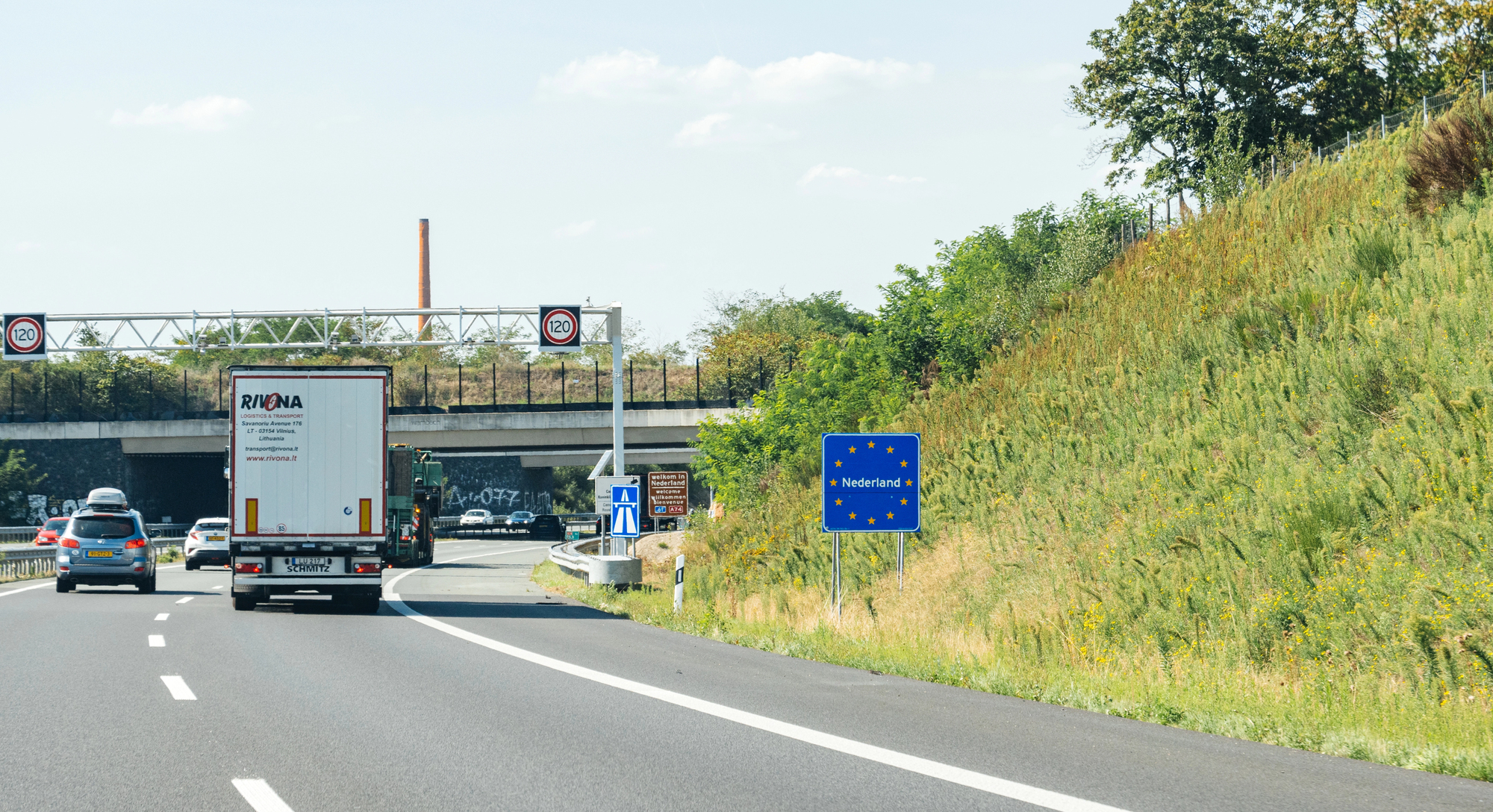
Given these experiences, you would think returning back over the border at the end of the journey would be a welcome relief. It was certainly a relief for my jaw, which I no longer had to clench to keep my molars from bashing together, but the Dutch are not without their own problems.
South of the border, there was a general regard for the speed limit. The occasional outlier (nearly always in a BMW) would fly past you in Belgium or France, but mostly people minded the rules.
The second we crossed the border, yellow plates began zooming past us as though everyone had been informed there was only one plate of bitterballen for the party and it would be distributed on a first-come, first-serve basis.
Maybe it is the smoothness of the roads, but Dutch drivers react to the border marker like a cow does to seeing grass for the first time in the spring.
It was very obvious that these drivers had insider information about the country’s wealth of speed cameras as you would see a car zip past on the left, only to brake a few kilometers later to avoid racking up fines.
Hell isn’t a place where the chefs are British and the police are German. It’s where the intersections are French and the drivers are Dutch. And the Belgians waste hours lost on poorly marked roads instead of brewing beer.
Thank you for donating to DutchNews.nl.
We could not provide the Dutch News service, and keep it free of charge, without the generous support of our readers. Your donations allow us to report on issues you tell us matter, and provide you with a summary of the most important Dutch news each day.
Make a donation