Big cities buckling under homelessness and drugs, says Halsema
See more DutchNews articles in your Google search results
See more DutchNews articles in your Google search results
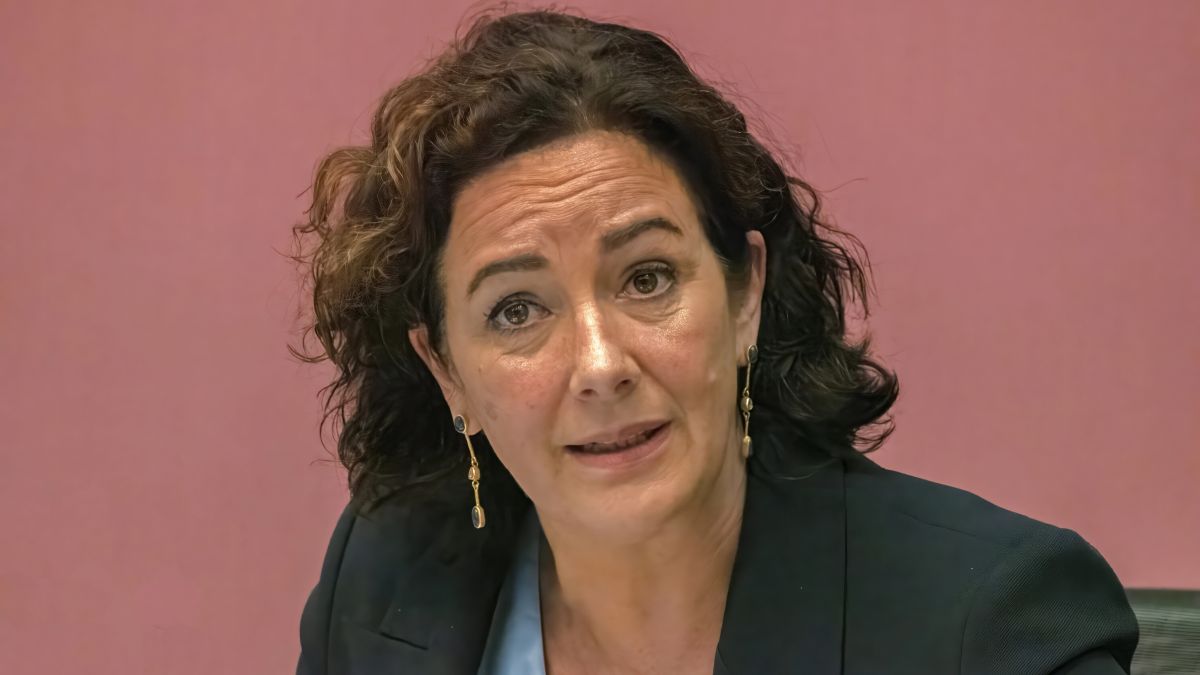
Add as a favourite source on Google Add DutchNews as a favourite source on GoogleAmsterdam mayor Femke Halsema has called on the government to take national action on rising homelessness, crack addiction and public disorder, warning that they are eroding quality of life in the country’s biggest cities and cannot be tackled by city authorities alone.
Speaking in an interview with Het Parool and on current-affairs programme Buitenhof, Halsema said the same pressures were affecting all four big cities – Amsterdam, Rotterdam, The Hague and Utrecht – and that the government was partly responsible.
“The problems in the big cities are gradually overwhelming us,” she said, calling for “major measures” from The Hague.
Amsterdam has 3,644 recorded people who cause public disorder, Halsema said, though she stressed the number of homeless people is far higher. The most recent count, in 2024, recorded more than 15,000 people in the Amsterdam region as homeless or at risk of losing their home, though the city says the true figure is higher.
“Public poverty”
The most visible problems come from a combination of homelessness and crack use, particularly in the city’s parks, which Halsema said was distressing residents and traumatising for the addicts themselves.
She said that debates in The Hague ahead of the budget focus on income and taxation, while cities are left dealing with “public poverty”: the visible result of underfunded services, the housing shortage and a strain on the mental health care system.
She wants the government to structurally improve mental health provision and overhaul rules governing foreign workers.
Foreign workers
About 1,500 of the people causing nuisance come from eastern Europe, according to Halsema, many of them foreign workers who end up losing their housing and their jobs because the two are tied together. Amsterdam organisations have previously helped hundreds return home, a significant number of them crack users.
Employers in the Netherlands are allowed to house foreign workers while deducting the cost from their wages, currently up to a quarter of the minimum wage. Former social affairs minister Mariëlle Paul ended a planned phase-out of that rule last year, a decision Halsema branded “disastrous”.
She wants the rule reversed, faster action against rogue employment agencies, and more money for shelter: of the €13 million she said was made available last year for housing foreign workers, Amsterdam received €2 million, which she said is far too little.
Sleeping outdoors
Amsterdam stopped fining people for sleeping outdoors in June last year and, like Utrecht, now wants to decriminalise it entirely. Halsema says fines only push homeless people further into debt and further from help.
Police have raised concerns about that approach. In a review by the local health service in April, officers said people were coming to Amsterdam because they were allowed to sleep outdoors there, and that police and other enforcement teams had fewer tools to steer them towards help.
With annual budget talks ongoing, Halsema said the government must act: “Enable us to make sure our city is in order and liveable.”
Thank you for donating to DutchNews.nl.
We could not provide the Dutch News service, and keep it free of charge, without the generous support of our readers. Your donations allow us to report on issues you tell us matter, and provide you with a summary of the most important Dutch news each day.
Make a donation