Partner content
Welkom in Nederland! How to pass the A1 language exam
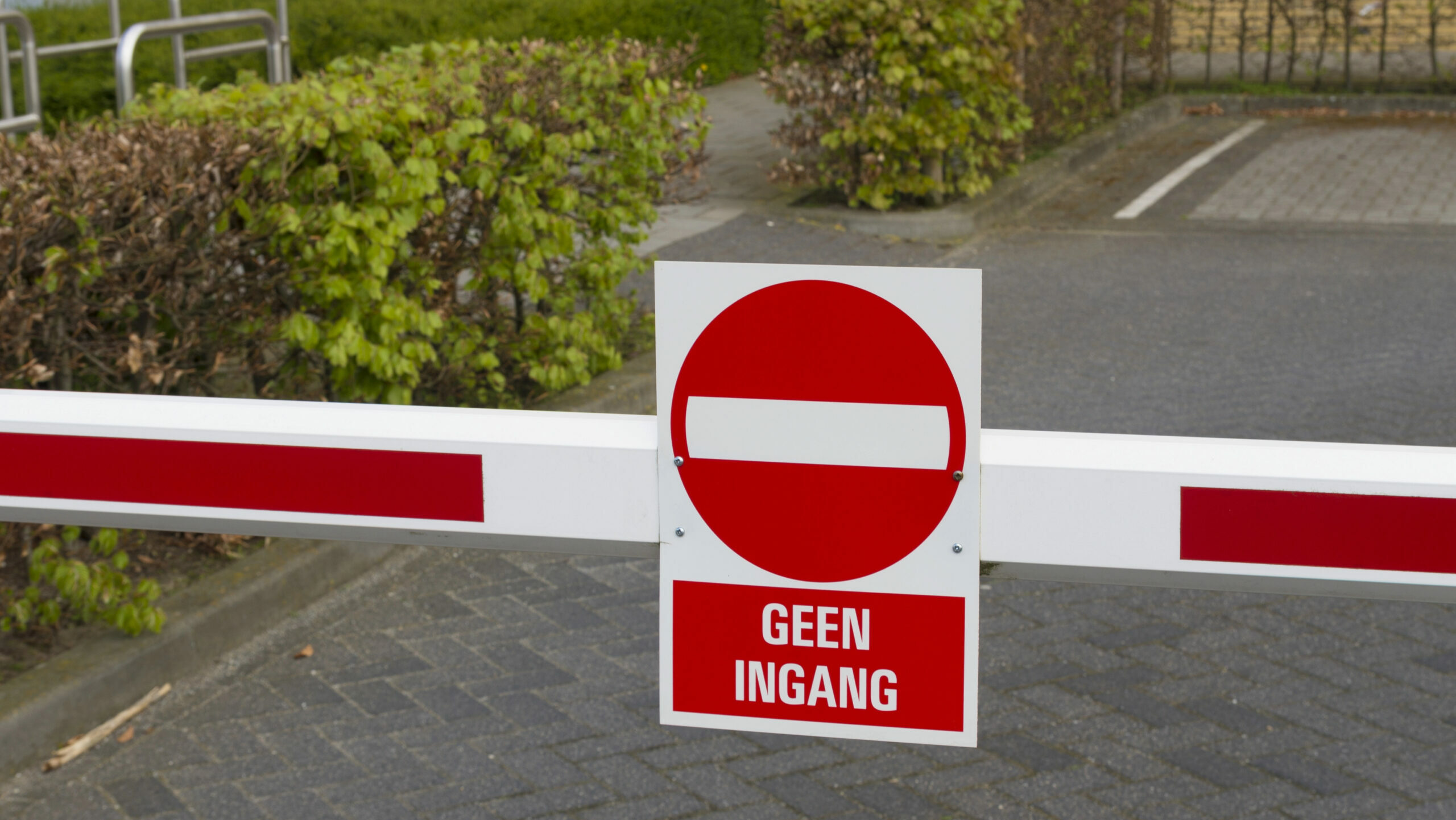
Before you even get to the Netherlands, you might need to learn a bit of Dutch – but passing the easiest civic exams can be as simple as ABC.
Kirill Svavolia, founder of Inburgering.org and a foreigner who has had to learn Dutch himself, believes that with a bit of effort, anybody can pass the A1 tests.
“Mostly if you have a Dutch boyfriend or girlfriend, or husband or wife in the Netherlands, and you want to move to them, you will need to do the A1 exam in your country,” he says.
This typically applies to people who are not European or Surinamese (but check the IND for other exceptions). They need to take this exam at a Dutch embassy or consulate before applying for the partner residence permit.
“The Dutch is quite easy – it’s about the time commitment,” says Svavolia. “You cannot learn 1,000 or 2,000 words in one day. And don’t be scared of the grammar: this is about the time you spend on the language.”
The exams
There are three parts to the A1 exam: speaking, reading and knowledge of Dutch society (KNS).
The speaking exam is not trying to trick you: in one part, you will hear a question that will typically require a one-word answer, and in the next, you can read it too. “The questions are things like your favourite colour or what you like to do in your free time and it’s quite basic,” says Svavolia. “One word like ‘green’ or ‘cycling’ is enough. You don’t need to make a sentence. In the second part you just need to finish a sentence, or you see an image and one word is enough.”
A key tip is to use resources like Inburgering.org, where you can keep practising, and also improve your word knowledge with tools like Duolingo. And when you get to the exam, don’t panic: just listen carefully to the sentence and try not to get confused during the 30-minute exam.
Navigation
The reading exam, similarly, is fairly straightforward if you speak English. There are 19 questions: you read a short text and have a choice of three answers. “It’s everyday topics in the Netherlands, including work,” says Svavolia. “Things like navigating a building, reading short emails or instructions on how to get enrolled in a swimming school.”
This test takes 35 minutes and there are practice examples online and at Inburgering.org. Make sure that you read the question properly – and note that you can often find the key word in the text.
“Mostly, you need to learn how to scan and to find the most important information,” says Svavolia. “You need to understand what’s being asked, which is quite easy, and then you need to search for it. They aren’t trying to catch you out, and what most people find tricky is the time pressure.”
Passing
For both of these exams, you need to score 60% to pass. You need a six or higher in the knowledge of Dutch society exam, which is a practical knowledge test.
This one has 30 questions, takes 30 minutes and involves responding to multiple-choice questions. The topics might include where queen Máxima comes from or the appropriate place to pick up a prescription.
With some general knowledge about the Netherlands, and a bit of luck in guessing one of the two options, you have a high chance of passing. There’s also a topic guide on the Inburgering.org website and you can watch various videos to help.
Taking all three of the exams will set you back €150, and you do need to pass all elements to apply for the MVV partner permit in order to come to the Netherlands.
Home
Inburgering.org stresses that these exams are perfectly achievable with a bit of practice and effort – and the result is well worth it.
“It’s a beautiful country where even if you don’t know the language yet, you can still live comfortably,” says Svavolia, who has been in the Netherlands for almost seven years. “You can learn it here – and even if you sometimes struggle, you can still make it your home.”
Find out more about taking your civic integration exams with Inburgering.org
Thank you for donating to DutchNews.nl.
We could not provide the Dutch News service, and keep it free of charge, without the generous support of our readers. Your donations allow us to report on issues you tell us matter, and provide you with a summary of the most important Dutch news each day.
Make a donation