DutchNews.nl - DutchNews.nl brings daily news from The Netherlands in English 22 July 2026
Newsletter Donate Advertise
  • News
  • Life in the Netherlands
  • Jobs
  • Partner content
  • Podcast
  • Advertise
  • About us
  • Search
  • Home
  • Economy
  • Politics
  • Art and culture
  • Sport
  • Europe
  • Society
  • Environment
  • Health
  • Housing
  • Education
  • News
    • Home
    • Economy
    • Politics
    • Art and culture
    • Sport
    • Europe
    • Society
    • Environment
    • Health
    • Housing
    • Education
  • Life in the Netherlands
    • Latest
    • Opinion
    • Books
    • Travel
    • 10 Questions
    • Learning Dutch
    • Inburgering with DN
    • Food & Drink
    • Ask us anything
  • Jobs
  • Partner content
  • Podcast
  • Advertise
  • About us
    • Donate
    • Team
    • Advertise
    • Contact us
    • Writing for Dutch News
    • Privacy
    • Newsletter
  • Search

Ivory and a rhino skull among 5,800 items handed to RVO
July 22, 2026
Photo: RVO

See more DutchNews articles in your Google search results

See more DutchNews articles in your Google search results

Add as a favourite source on Google Add DutchNews as a favourite source on Google

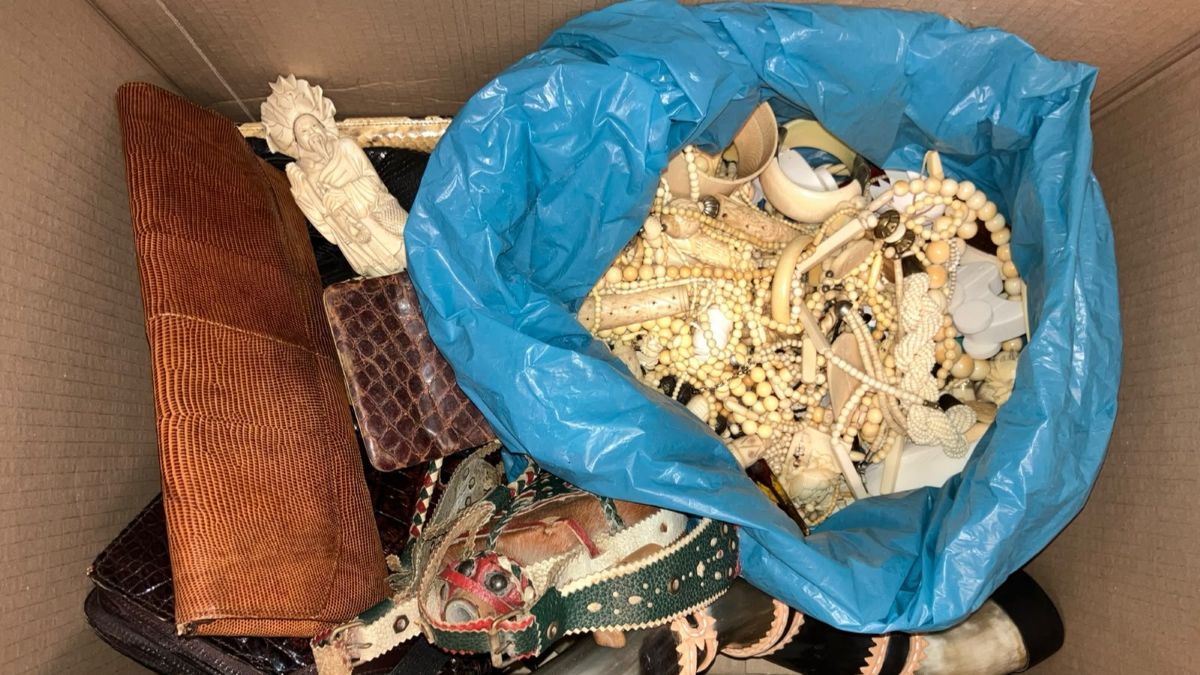
Some 5,800 prohibited objects including elephant ivory have been anonymously handed in to the Netherlands Enterprise Agency (RVO) over the past year, a more than fivefold increase on the previous year.

“Never before has so much been handed in,” says The Hague-based RVO, including “moving boxes with a thousand [pieces of] ivory jewellery, a rhino skull with a gunshot wound, crocodile leather bags, musical instruments and an elephant’s leg.”

The objects also included taxidermy animals such as a long-eared owl, peregrine falcon and turtles. Pictures on broadcaster NOS show ivory binoculars and crocodile leather bags.

The sale and trade of elephant ivory are strictly regulated under European CITES laws (Convention on International Trade in Endangered Species), with permits required for the possession and trade of protected plants or animals.

Most of the items, which can be handed in at a drop-off bin in The Hague or even by post, are destroyed to prevent them from (re)entering the illegal trade. The RVO says it uses a small number of the items for research and education.

Share this article Add DutchNews to Google
  • Facebook
  • Twitter
  • LinkedIn
  • Reddit
  • Copy URL
Smuggling Uncategorized
Thank you for donating to DutchNews.nl.

We could not provide the Dutch News service, and keep it free of charge, without the generous support of our readers. Your donations allow us to report on issues you tell us matter, and provide you with a summary of the most important Dutch news each day.

Make a donation
Latest
Show more
Two trams collide on Rotterdam’s Erasmus Bridge, 15 injured
Three arrested over €5m smartphone heist near Schiphol
Thuisbezorgd hides costs and fakes discounts: consumer group
Man arrested after fatal shooting near Vierdaagse festivities
Van Weel in Ghana to rally West African pressure on Bolle Jos
NewsHomeEconomyPoliticsArt and cultureSportEuropeSocietyEnvironmentHealthHousingEducation
Life in the NetherlandsLatestOpinionBooksTravel10 QuestionsLearning DutchInburgering with DNFood & DrinkAsk us anything
Partner content
Advertise
About usDonateTeamAdvertiseContact usWriting for Dutch NewsPrivacyNewsletter
© 2026 DutchNews | Cookie settings

Help us to keep providing you with up-to-date news about this month's Dutch general election.

Our thanks to everyone who donates regularly to Dutch News. It costs money to produce our daily news service, our original features and daily newsletters, and we could not do it without you.

If you have not yet made a donation, or did so a while ago, you can do so via these links

The DutchNews.nl team

Donate now

Dutchnews Survey

Please help us making DutchNews.nl a better read by taking part in a short survey.

Take part now