Partner content
Furnishing a Dutch rental home: what internationals should know
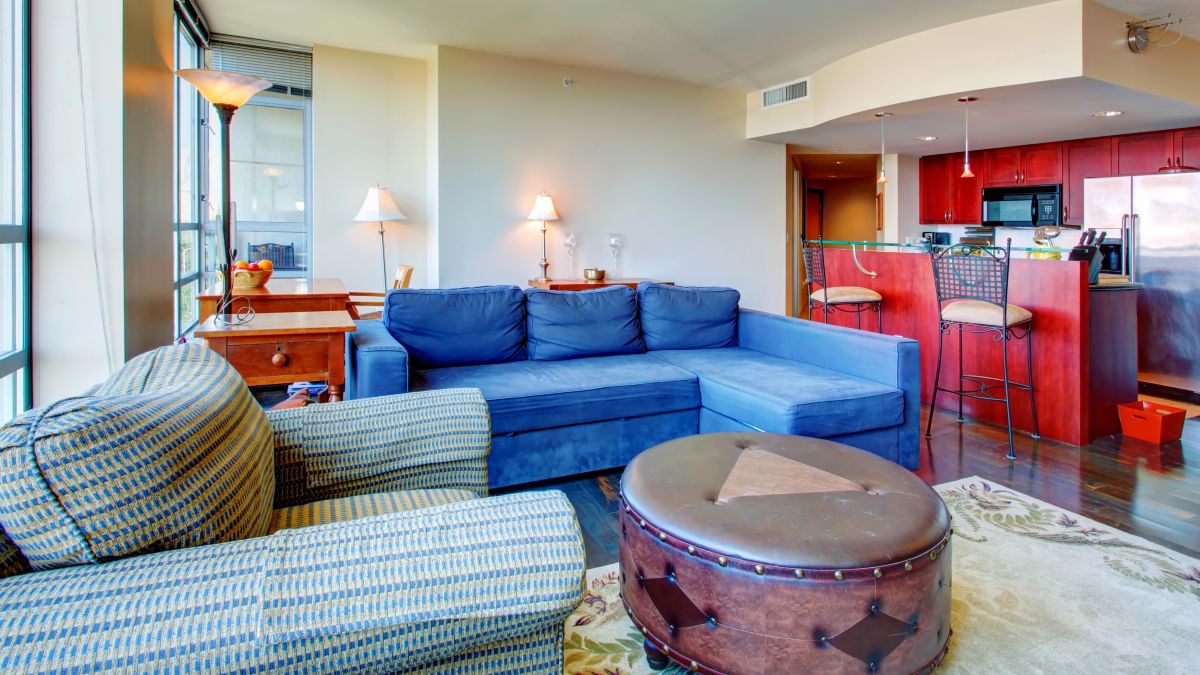
You’ve just been given the keys and find yourself standing in an empty, bare room. No furniture, no curtains, often not even a floor. For many expats, this comes as a surprise, as in other countries a rental property is usually already furnished.
In the Netherlands, things work slightly differently, and that completely changes how you go about furnishing your first apartment. What does this mean for your budget, your planning and your expectations? And what should you think about first as soon as you open the door? In this article, you’ll find out exactly what to expect and how to get started without any stress.
What you need to know as an expat about rental properties in the Netherlands
Rental properties in the Netherlands are usually handed over unfurnished. This means you’ll have to lay the flooring, hang up light fittings and sometimes even fit a kitchen yourself.
For people who have just arrived, this often comes as a surprise, as rental properties in many other countries are furnished as standard. Around 40% of Dutch people rent, and a large proportion of the available stock consists of social housing with waiting lists that can sometimes last for years. For foreigners, the private sector is therefore often the quicker route to finding a home, although you’ll usually pay more for it.
Before you start furnishing your apartment, it’s a good idea to read through your tenancy agreement very carefully. It will cover practical matters such as painting and drilling.
There are probably still things you didn’t know about renting an apartment. Some landlords are flexible about this, whilst others require you to restore everything to its original condition when you move out. So always ask about this in advance, to avoid any surprises once you start furnishing your home.
Furnishing for the first time: where to start with a bare apartment
With a bare space, you start with the basics: lighting, curtains and flooring. Without these three elements, an apartment will never feel like home, no matter how much furniture you put in it. Many expats underestimate how much time and money this initial stage takes.
The Netherlands is a very convenient, easy-to-live country, once you’ve got past this initial hurdle. Also, make sure there are enough sockets for lamps and electronics, as these often determine where your furniture will eventually go. Once the flooring and lighting are in place, the rest of the decorating process often becomes a lot clearer.”
Buying furniture when you’ve just moved to the Netherlands
Once the basics are in place, the question arises: should you buy new, second-hand, or a combination of both? Many expats opt for second-hand furniture via Marktplaats or charity shops at the start, simply because it’s quicker and cheaper.
That’s a great strategy if you don’t yet know how long you’ll be staying in the Netherlands, as bigger purchases such as sofas, rugs and tables can quickly feel like a risk. Later, once you’ve settled in, many people end up replacing these items with something that better suits their taste.
For brands and shops, it pays to look beyond just the local offering. If you live in the United Kingdom, you may have already heard: Dutch rug brand Tapeso expands into the UK market. For expats who travel back and forth between countries, this sort of thing can give them that little bit of extra freedom of choice when putting together their interior. That way, they don’t have to start from scratch looking for a completely new brand in their new country of residence.
Practical tips for furnishing on a budget
Furnishing an apartment doesn’t have to be expensive if you plan it properly in advance. Start with a list of what you really need versus what would be nice to have and stick to that order. Many newcomers make the mistake of buying decorative items first, whilst practical essentials such as a bed, table and lighting should take priority.
Second-hand platforms are goldmines for budget-friendly purchases. Also ask colleagues or neighbours if they have any items they’d like to get rid of, as in expat communities, furniture often changes hands without a shop ever being involved.
IKEA also remains a reliable go-to for anyone wanting to furnish a whole home quickly and affordably. Spread your purchases over a few weeks rather than trying to sort everything out in a single day. This way, you’ll avoid impulse buys and keep track of what you’re actually spending.
Thank you for donating to DutchNews.nl.
We could not provide the Dutch News service, and keep it free of charge, without the generous support of our readers. Your donations allow us to report on issues you tell us matter, and provide you with a summary of the most important Dutch news each day.
Make a donation