Rutte gave covid advisers too much weight, inquiry hears
See more DutchNews articles in your Google search results
See more DutchNews articles in your Google search results
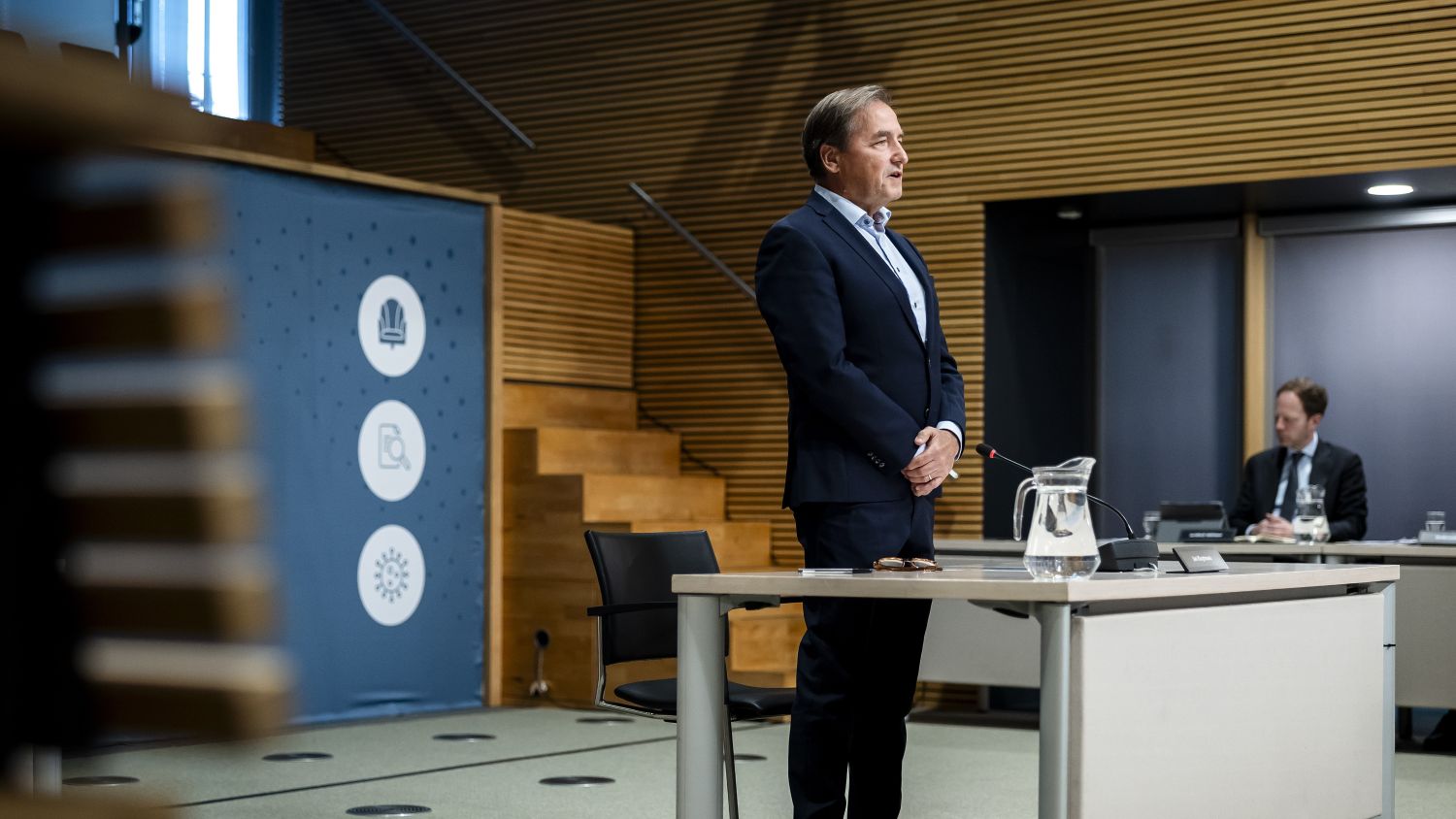
Add as a favourite source on Google Add DutchNews as a favourite source on GoogleMark Rutte’s cabinet gave government expert advisers too much strength in the coronavirus response, the parliamentary inquiry into the pandemic was told on its second day of public hearings, according to broadcaster NOS.
Jan Kluytmans, a microbiologist at Breda’s Amphia hospital and a member of the government’s expert advisory panel, the Outbreak Management Team (OMT), said the team’s role had been made “too heavy” by ministers.
An OMT advises and the cabinet decides, he said – yet Rutte had called its advice “sacred” and told a 2020 press conference the cabinet adopted it in principle.
If a prime minister took far-reaching measures such as a curfew without question, Kluytmans said, the responsibility was his. Rutte is among the nearly 50 witnesses due to appear over the nine-week inquiry.
Kluytmans also described tension over the timing of meetings. Ministers met on Sundays at the Catshuis, the prime minister’s residence, while the OMT met on Mondays, and it sometimes felt as though a “shopping list” came down – once with a clear signal that the cabinet did not want schools closed while the OMT was still due to advise on the question.
The order of the meetings was later changed.
Brabant hit first
Kluytmans said the south of the country was widely infected “under the radar” while colleagues elsewhere were finding nothing. In March 2020 the national estimate was around 6,000 infections; he and his Brabant colleagues put the figure closer to 50,000.
Carnival had been a superspreading event, he said, with the first confirmed Dutch case a man from Brabant who had been in northern Italy and then joined the festivities.
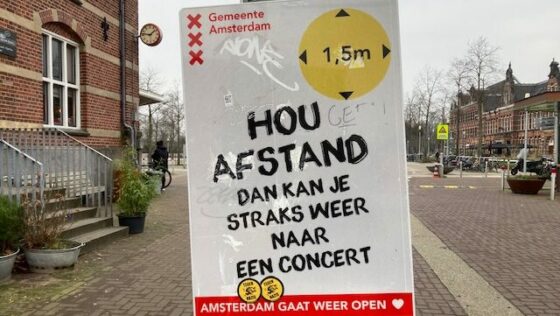
An earlier lockdown would have saved lives – infections were doubling twice a week – but cancelling carnival would have been “completely” unacceptable at the time, when the virus was not yet seen as a serious threat.
He warned the country is less ready in one respect than it was in 2020. Friday’s witnesses also said the Netherlands was unprepared for the next pandemic. The self-made tests that let Brabant gauge the scale early would now be barred under stricter EU rules, Kluytmans said, leaving only commercial labs able to meet the standards.
A shocking morning at the GGD
The afternoon’s witness, Jack Mikkers, the VVD mayor of Den Bosch and chair of the regional safety board, described an early visit to the municipal health service (GGD) as it tried to trace the contacts of infected people.
He saw around 30 flip-charts of contacts and concluded the effort could not keep pace. “I’m no mathematician, but I could see it wasn’t going to work,” he told the committee.
Mikkers said it convinced him the crisis had to be driven from the very top – by the prime minister, or even the King – telling people to stay home if they had symptoms. It was not only a health crisis, he said, but a question of how the country behaved in an uncertain time.
Thank you for donating to DutchNews.nl.
We could not provide the Dutch News service, and keep it free of charge, without the generous support of our readers. Your donations allow us to report on issues you tell us matter, and provide you with a summary of the most important Dutch news each day.
Make a donation