One in seven Dutch wolves illegally killed by poachers: study
See more DutchNews articles in your Google search results
See more DutchNews articles in your Google search results
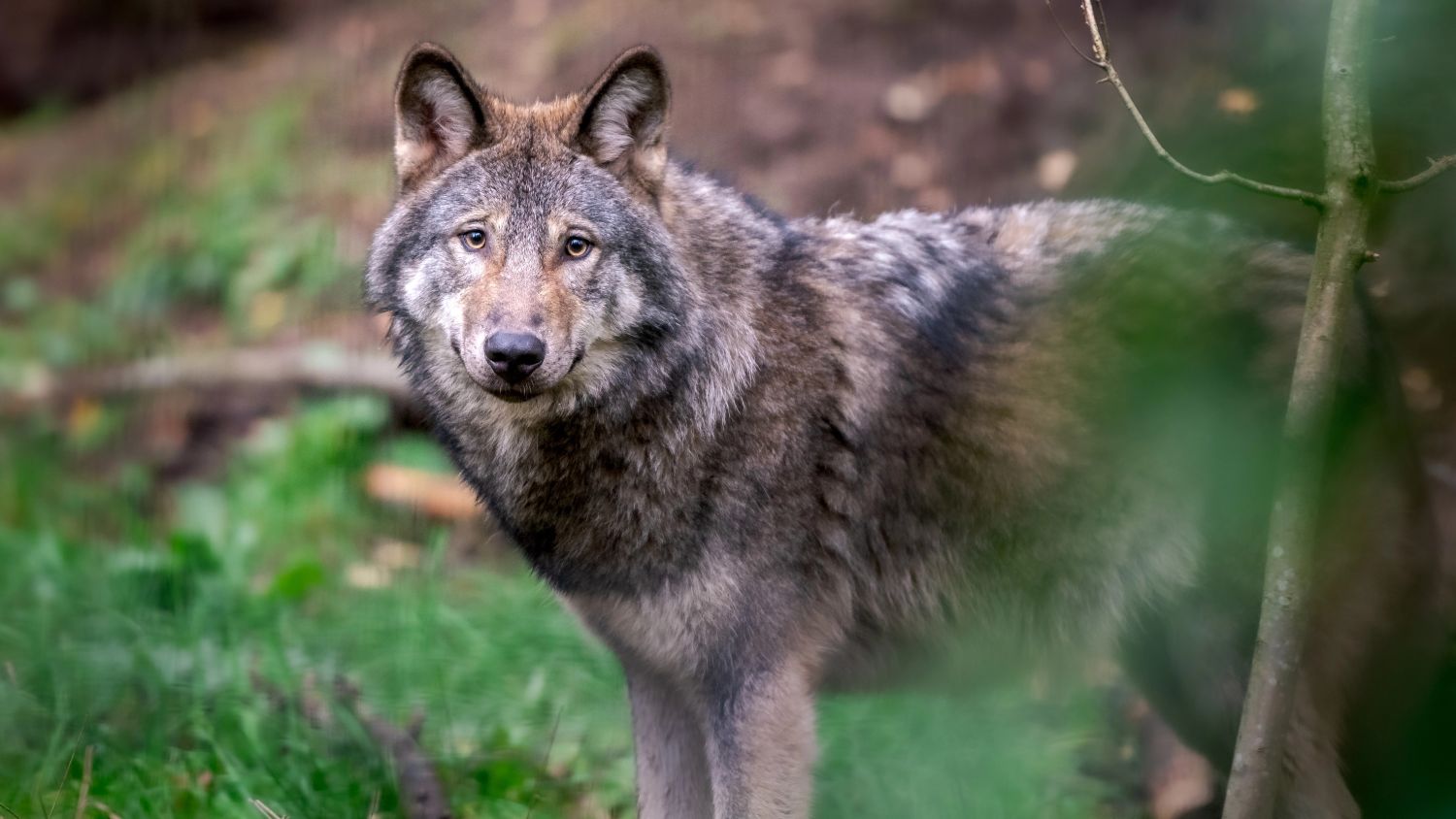
Add as a favourite source on Google Add DutchNews as a favourite source on GoogleAt least 41 wolves in the Netherlands have been illegally killed by poachers in the 11 years since the pack animals returned to Dutch territory, a study has found.
The findings by wildlife crime research bureau EcoJust mean one in seven of the wolves identified by DNA were shot, poisoned or deliberately run over by poaching gangs.
Researcher Pauline Verheij said her findings showed that poaching was not an incidental phenomenon but a form of organised crime, based on interviews with more than 60 witnesses, social media and public documents.
The gangsters destroy wolf carcasses by burying them, burning them in barrels or dumping them in manure stores, methods that are designed to destroy evidence. The majority of suspected killings took place in Gelderland and the north-eastern provinces.
Verheij published her report together with Naomi Louchouarn of Humane World for Animals.
“It is an extensive network of organised poachers who operate with near total impunity, with the tacit support of considerable sections of the rural population,” the authors said.
Social media
They said poaching was not driven by a single cause, but a mix of practical concerns and rural identity politics, inflamed by social media and aided by government incompetence.
Cattle farmers were motivated by attacks on livestock, concern for the safety of their families and a belief that local authorities were not taking the issue seriously or providing adequate compensation.
Social media was leading to “radicalisation and growing hatred of wolves”, while some people in rural communities saw hunting and a belief that “humans are above animals” as part of their culture, especially in the Bible belt.
The authors also said politicians had normalised the view that the wolf was “an intruder who doesn’t belong in the Dutch cultural landscape”, while the fragmented administrative system and lack of enforcement meant there was a low risk of poachers being caught or prosecuted.
Thank you for donating to DutchNews.nl.
We could not provide the Dutch News service, and keep it free of charge, without the generous support of our readers. Your donations allow us to report on issues you tell us matter, and provide you with a summary of the most important Dutch news each day.
Make a donation