Lots to chew on: study reveals fossil is eagle ray dental plate
See more DutchNews articles in your Google search results
See more DutchNews articles in your Google search results
Add as a favourite source on Google Add DutchNews as a favourite source on GoogleThe Hunebedcentrum for Neolithic tombs in Borger, Drenthe, is the unsuspecting owner of the prehistoric fossil of an eagle ray never before found in the Netherlands.
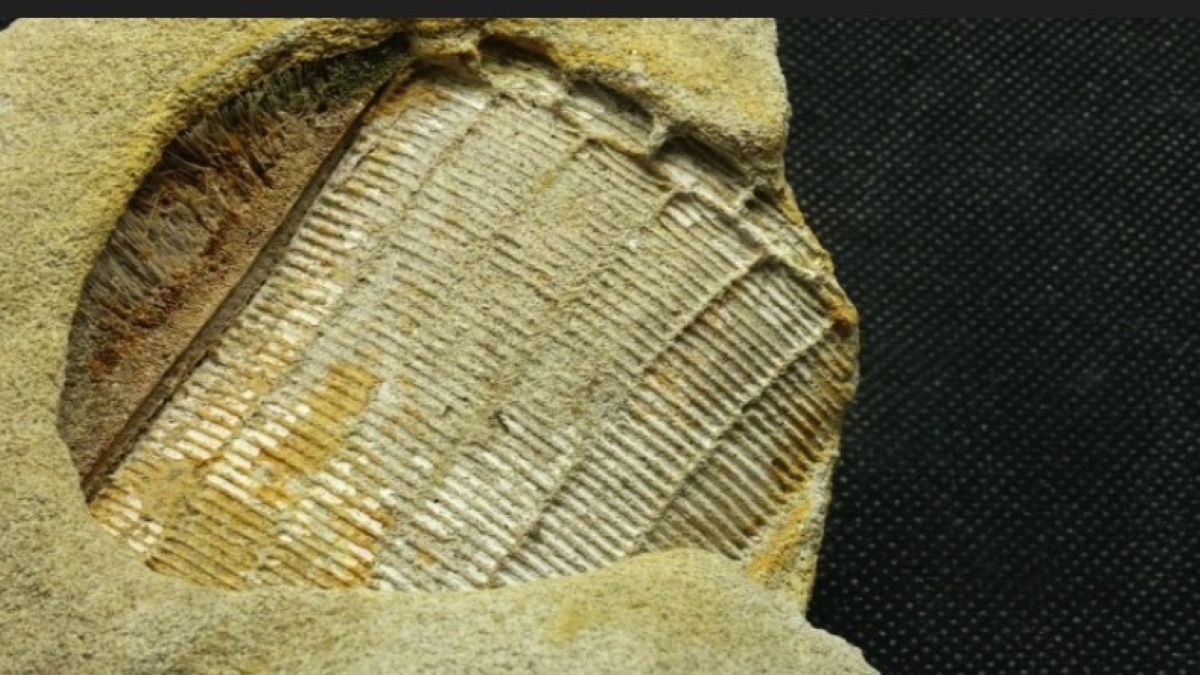
The centre’s curator Harry Huisman carried out a chance inspection of the piece, which was part of a collection of so-called glacial erratics dug up by a sand dredging company in Groningen. He found it to be an eagle ray’s dental plate instead of a plant as was assumed earlier.
The fossil of the eagle ray (Myliobatis dixoni) was found embedded in a piece of sandstone some 50 million years old and provides a unique window on prehistoric marine life in Northern Europe, Huisman said.
At the time, a large part of Northern Europe, including most of the Netherlands, was covered by a warm, subtropical sea. Here, the eagle ray used its broad dental plates to crush the crustaceans which formed its main food source.
Sand dredging by the same company earlier produced the 600-million-year-old fossil of a worm, the oldest fossil ever found in the Netherlands.
The eagle ray fossil is currently on show at the Hunebedcentrum.
Thank you for donating to DutchNews.nl.
We could not provide the Dutch News service, and keep it free of charge, without the generous support of our readers. Your donations allow us to report on issues you tell us matter, and provide you with a summary of the most important Dutch news each day.
Make a donation