Halsema: coronavirus lockdowns led to “unacceptable” measures
See more DutchNews articles in your Google search results
See more DutchNews articles in your Google search results
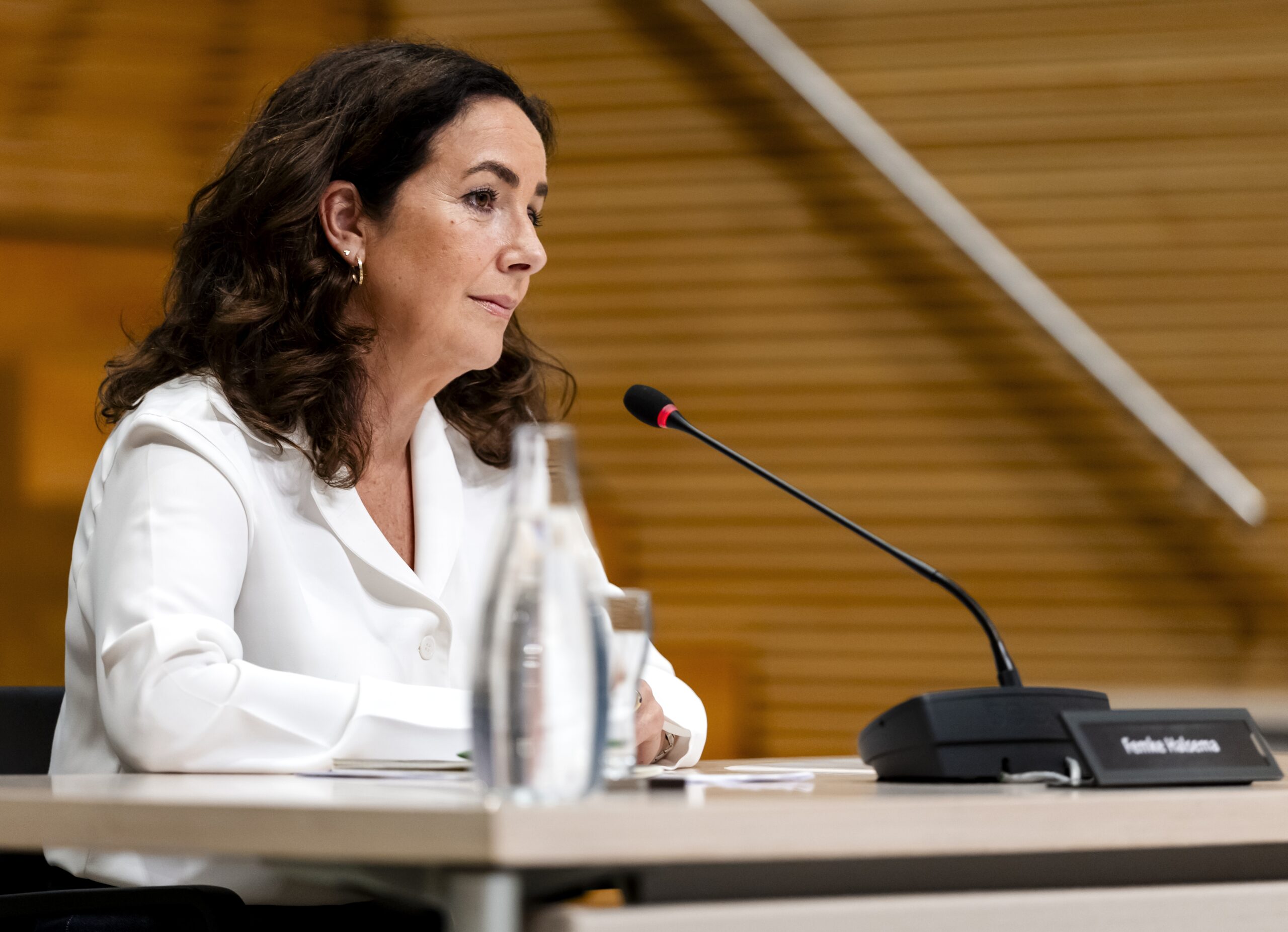
Add as a favourite source on Google Add DutchNews as a favourite source on GoogleAmsterdam’s mayor Femke Halsema has told the coronavirus inquiry that the government placed too much emphasis on repressive measures as the lockdowns wore on, eroding people’s willingness to comply with the rules.
Halsema said the early press conferences focused on the need for solidarity. “There was a deep motivation among the population to make something of it, until people became weary and hopeless,” she said.
The government responded with policies that were “increasingly decreed from above, with people being told how to behave, with sanctions attached. I thought that was awful.”
Halsema was giving evidence to the parliamentary inquiry into the government’s policies during the pandemic and the political and social consequences. The hearings began a month ago and the committee is expected to report on its findings next year.
The mayor said the government deserved credit for the way it had handled a “horrifically difficult” task, but she grew increasingly “frustrated” by the way the cabinet resorted to harsh measures.
Curfew “disproportionate”
The rules became harder to follow, Halsema said, citing as an example a rule that nightclubs could open if people showed proof of vaccination at the door, but only until midnight.
“It was totally unclear to me why it suddenly became unsafe after 12 o’clock,” she said.
The low point was the curfew introduced in January 2021, which Halsema called “unacceptable in principle and disproportionate”.
She said parents got around it by holding pyjama parties, inviting their children’s friends to stay overnight during curfew hours and go home again in the morning. “It wasn’t an effective measure at all.”
The curfew was also criticised by Henk van Essen, former head of the national police force, who said it was “unnecessary” from the point of view of law enforcement.
Care homes
Halsema said there were “definitely moments where people listened, made good decisions and the problems we were seeing in local government were noticed.”
But the nighttime curfew, which ran for three months, was a “real deprivation of freedom”, she said. “I thought we reached the limit in terms of measures we should and could have taken.”
The impact of the virus discriminated in particular against people on low incomes and living in small spaces, Halsema said, but she accepted that the need to protect people’s health came first. “I was far more concerned about the people who were dying in care homes.”
Thank you for donating to DutchNews.nl.
We could not provide the Dutch News service, and keep it free of charge, without the generous support of our readers. Your donations allow us to report on issues you tell us matter, and provide you with a summary of the most important Dutch news each day.
Make a donation