WHO trying to trace passengers on flight with hantavirus victim
See more DutchNews articles in your Google search results
See more DutchNews articles in your Google search results
Add as a favourite source on Google Add DutchNews as a favourite source on GoogleHealth officials are trying to trace more than 80 people who were on board the same flight to South Africa as a Dutch cruise ship passenger who was infected with hantavirus.
The 69-year-old woman fell ill during the flight from the island of St Helena to Johannesburg on April 25 and died in hospital two days later.
She is one of three passengers on a cruise in the South Atlantic who died after apparently contracting the virus, which is carried by rodents and causes severe gastric and breathing problems.
Four other people on board the m/v Hondius are believed to have been infected, one of whom needed intensive care treatment, and the World Health Organization says the disease may have spread from person to person on the ship.
Cruise operator Oceanwide Expeditions said two crew members who need urgent medical care would be evacuated from the ship to the Netherlands using specialist aircraft, along with a third person who was in close contact with one of the victims.
Canary Islands
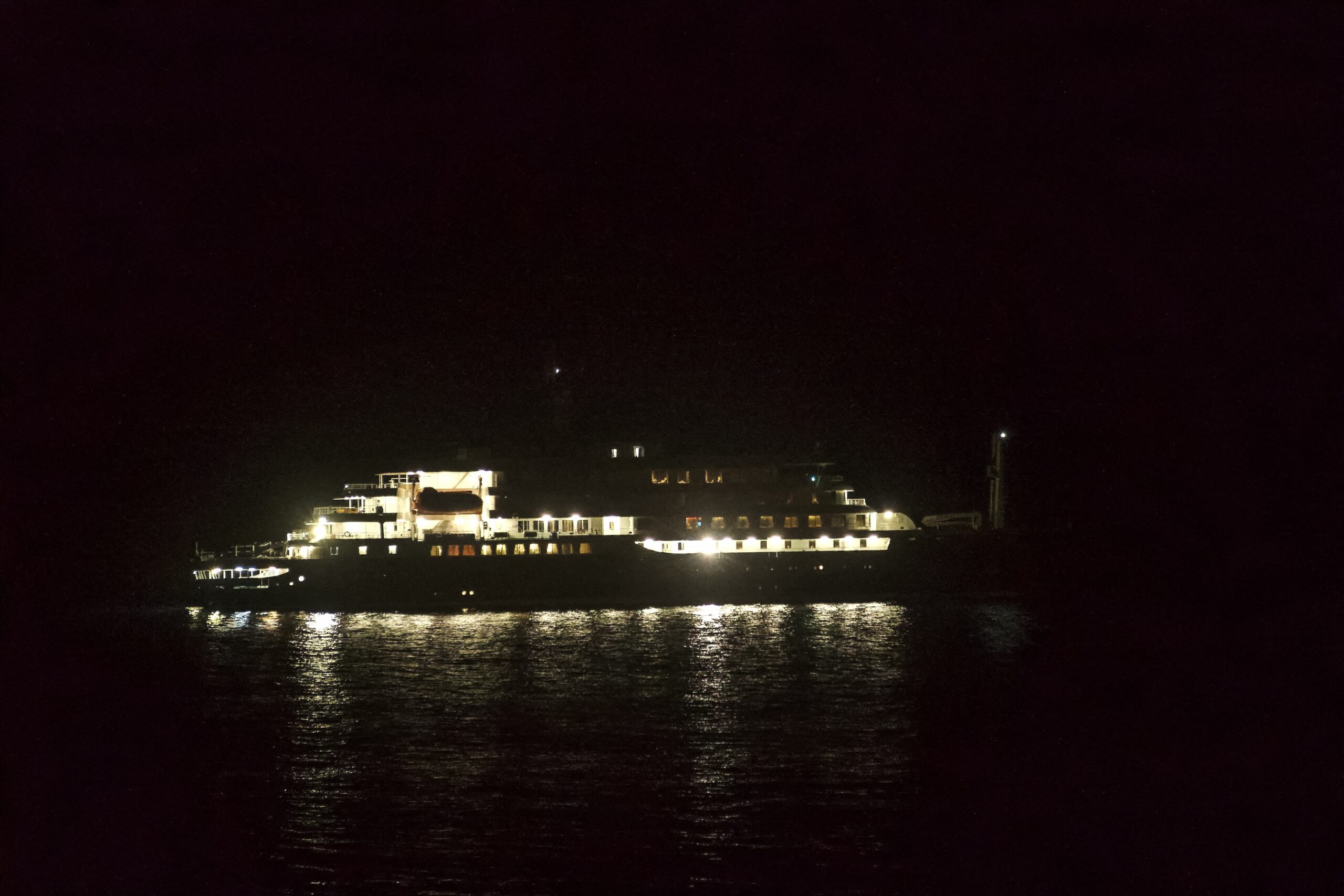
The ship is currently lying at anchor off Cape Verde, where it was due to arrive at the end of its 46-day voyage this week, but the island’s authorities have not allowed passengers to disembark.
The vessel is now expected to sail on to the Canary Islands, where Dutch and Spanish medical authorities will carry out medical screenings. The Netherlands is leading the operation to repatriate the two sick crew members, who have British and Dutch nationality.
Maria van Kerkhove, the WHO’s director of epidemic prevention, said efforts were ongoing to trace the 82 passengers and six crew on board the Airlink flight from St Helena that the infected woman was travelling on.
She stressed that the risk of the disease spreading on board the plane was low. “Typically the exposure comes from contact with rodents,” she told a press conference in Geneva.
“We have seen with one of the [variant] viruses, the Andes virus, that there has been some limited human to human transmission, but that’s really among very close contacts,” she said.
In total, 148 people are on board the Hondius, including 88 passengers from 23 countries including Spain, the Netherlands, the UK and the United States. A 69-year-old German woman who died last Saturday and is being treated as a suspected case is still on board.
Isolation measures
Passengers have been told to remain in their cabins and avoid contact with each other as much as possible.
The WHO is working on the basis that the Dutch couple, from Haulerwijk in Friesland, became infected before they boarded the ship on April 1 in Argentina.
They had been travelling overland in South America, where variants of the hantavirus including the Andes virus are known to spread.
The 70-year-old man fell ill on April 6 and died at sea five days later after developing respiratory problems. His body was taken off the ship on St Helena on April 24, when his wife also disembarked.
A 69-year-old British man who reported to the ship’s doctor with gastric problems on April 27 was evacuated to Johannesburg, where he is being treated in intensive care. Van Kerkhove said his condition was “improving”.
One of the two sick crew members who is being evacuated is reported to be the ship’s doctor. The WHO said no other passengers or crew had developed symptoms, but the disease has an incubation period of between one and eight weeks.
Row in Spain
The Spanish government said it was arranging for the ship to dock in Tenerife, after the cruise operator said Cape Verde did not have the medical facilities to deal with the incident.
”The Canary Islands are the closest location with the necessary capabilities,” the company said. “Spain has a moral and legal obligation to assist these people, among whom are several Spanish citizens.”
However, Spanish media reported that the president of the Canary Islands had requested an “urgent meeting” with the prime minister, Pedro Sanchez.
Fernando Clavijo accused the govermnent in Madrid of failing to keep him informed and said there was not enough information to guarantee the safety of the local population. “I cannot allow the ship to enter the Canary Islands,” he told local broadcaster Onda Cero.
Thank you for donating to DutchNews.nl.
We could not provide the Dutch News service, and keep it free of charge, without the generous support of our readers. Your donations allow us to report on issues you tell us matter, and provide you with a summary of the most important Dutch news each day.
Make a donation