Scientists to probe falling common seal numbers in Wadden Sea
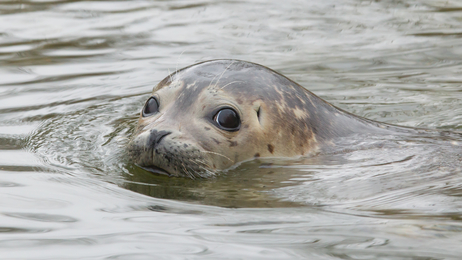
The Wadden Sea heritage centre WEC and the University of Utrecht are going to investigate why the seal population in the region is falling despite a higher birth rate.
“Seals are flexible and know how to look out for themselves, so the question is: have they moved to another area or are they dead?” WEC marine biologist Renate Prins told broadcaster NOS.
In 2020, the annual seal count found over 7,600 adult seals and in 2025 over 7,200 but the number of seal pups went up from 2500 to 2800.
The investigation focuses on common seals, whose number is declining while that of grey seals is increasing.
The cause of the discrepancy could be global warming, Prins said, which would prompt fish to find colder waters and so deprive the seal pups of food. They have to make the longer trek to find the fish, using up more energy. Prins also cited wind farms and shipping as possible causes.
Lonneke IJsseldijk, a biologist at Utrecht university, said no single cause has yet come into focus. She said seal pups getting caught up in fishing nets, or viruses may be contributing factors.
In 1988, half of the Wadden Sea seal population died from a virus but at the moment there is no indication of mass deaths. “The beaches were full of dead seals then but that is not the case now,” she said. Some seals have been found to have the highly contagious bird flu virus, however, and that needs to be investigated as well, she said.
The Wadden Sea is home to both the grey seal and the common seal, and another direction the investigation will take is the possible competition between the two species. “We see that grey seals often attack porpoises and even dolphins. We want to know if they also attack common seals,” IJsseldijk said.
The World Wildlife Fund (WWF) is funding part of the research, which it said is essential to get an insight into the ecosystem of the Wadden Sea.
“After 40 years of successfully combating the hunt for seals and pollution, we are again seeing seal numbers fall. We hope the findings will teach us what we can do for the common seal and all marine life in the Wadden Sea,” spokeswoman Kirsten Haanraads told the broadcaster.
Thank you for donating to DutchNews.nl.
We could not provide the Dutch News service, and keep it free of charge, without the generous support of our readers. Your donations allow us to report on issues you tell us matter, and provide you with a summary of the most important Dutch news each day.
Make a donation