Regulators failing to keep track of pollution in Dutch waterways
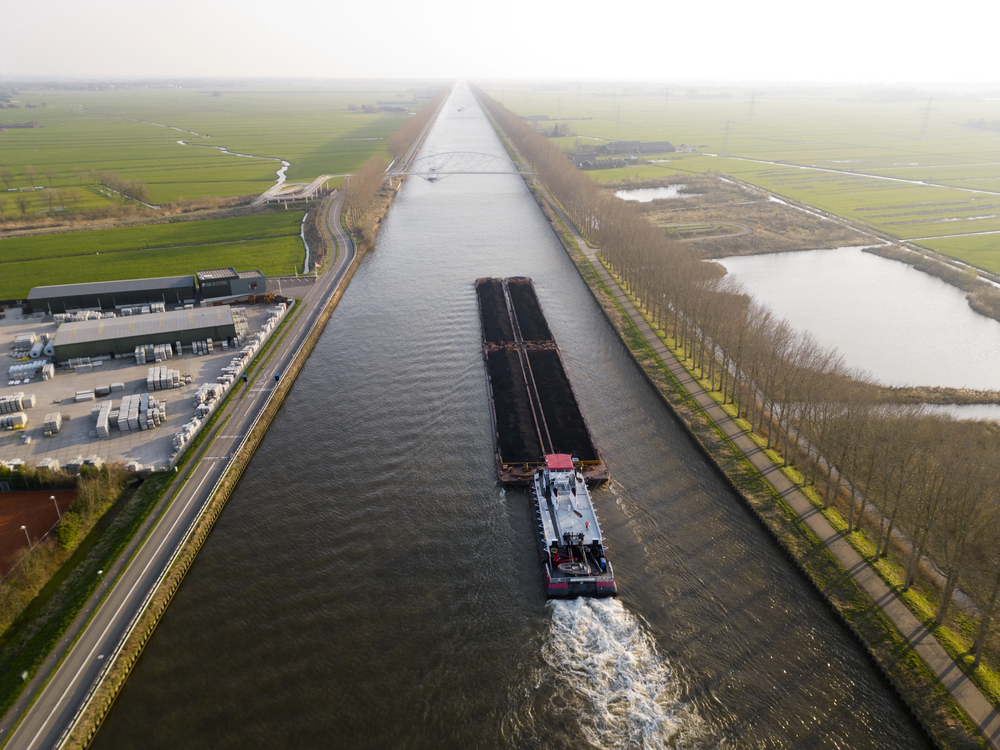
Efforts to clean up the Netherlands’ waterways are being held back by a lack of supervision by the infrastructure ministry, auditors have warned.
Only three of the 15 industrial chemicals measured in waterways are below the agreed maximum levels, while overall water quality has barely improved in the last 12 years.
The Court of Audit (Algemene Rekenkamer) said in a report that it was “unlikely” that the Netherlands would meet European standards for chemical and ecological quality by the end of next year.
The European Commission said last month that the quality of water in Dutch canals, lakes and reservoirs would not reach “good” levels, as defined by EU rules, until 2027 at the current pace.
At the moment none of the 745 surface water bodies monitored by the EU are classified as being of good quality, more than a quarter (26%) are poor and 9% are in bad condition.
The audit office said the highways and waterways agency Rijkswaterstaat lacked the resources to monitor chemical levels adequately. “In order to know which companies are discharging nickel, at what locations and in what quantities, Rijkswaterstaat has to go through hundreds of permits by hand,” the report said.
Little progress
It added that there had been “hardly any progress” at most of the 61 checkpoints where Rijkswaterstaat measures levels of 122 pollutants, such as PAH chemicals released by incinerators, lead, mercury and dioxins.
Of the 15 industrial chemicals measured, only lead, cadmium and trichlorobenzene were below acceptable levels, while the level of mercury was “concerning”, having exceeded European standards at a majority of checkpoints.
The agency is supposed to issue new permits to companies responsible for pollution every four to eight years, but in several cases the paperwork is out of date. Auditors also said it was unclear exactly what checks were being carried out.
Former infrastructure minister, Robert Tieman, disputed that the supervision was inadequate, but accepted that Rijkswaterstaat was dealing with a backlog when it came to reissuing permits.
The minister from the farmers’ party BBB said a new information system was being introduced later this year and Rijkswaterstaat had a good overview of chemical discharges.
But Barbara Joziasse, vice-president of the Court of Audit, commented: “It may look that way on paper. Paper is patient. But it doesn’t reduce the presence of dangerous chemicals.”
Thank you for donating to DutchNews.nl.
We could not provide the Dutch News service, and keep it free of charge, without the generous support of our readers. Your donations allow us to report on issues you tell us matter, and provide you with a summary of the most important Dutch news each day.
Make a donation