Police going too far in monitoring potential rioters, AP says
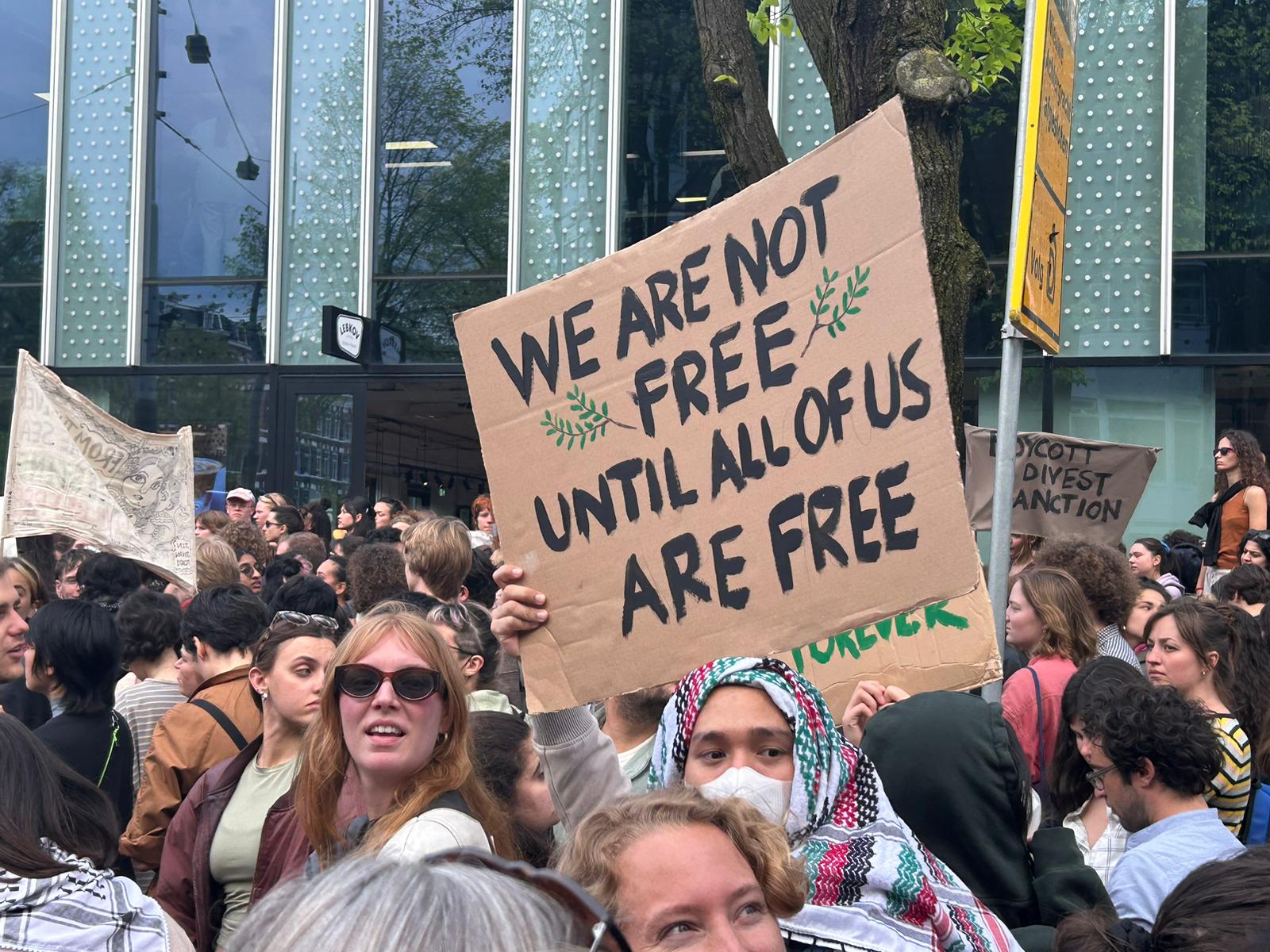
The Dutch data protection watchdog has warned that a police intelligence unit monitoring potential public order disturbances lacks a proper legal basis and may have to stop part of its work if the law is not changed.
The Autoriteit Persoonsgegevens (AP) said in a report sent to parliament on Friday that the police team sometimes gathers information about potential troublemakers in ways that go beyond what current legislation allows.
The team operates within each police region and collects intelligence to assess risks of serious disturbances, such as riots at football matches or demonstrations. It does this by secretly gathering information about people previously involved in riots, including through civilian informants from their social circles.
According to the AP, the police rely on a clause in the Police Act which allows a “limited infringement” of someone’s privacy. In practice, however, the team may build up a detailed picture of someone’s life by collecting information over a long period.
The watchdog also found that the team sometimes records sensitive personal data, including information about health, religion, political views or sexual orientation. Such data, the AP says, can only be processed if it is strictly necessary and clearly authorised by law.
AP chairman Aleid Wolfsen said the current situation raises serious concerns about fundamental rights. “It is because maintaining public order is so important, that it must be properly regulated,” he said. “The police may only infringe someone’s fundamental rights on the basis of clear and precise legislation.”
He also warned that the practices could affect democratic freedoms. “The freedom to be yourself, to demonstrate and to express your opinion is the core of a democracy,” Wolfsen said. “People are increasingly being followed in their daily lives.”
Justice minister David van Weel said he will study the report and take action if needed. “What this unit does is extremely important for public order and safety in the Netherlands,” he said. “If a change in the law is needed to continue this work, then we will do that.”
Human rights organisation Amnesty International has also criticised police practices around demonstrations, calling on the authorities to stop the unlawful ID checks of protesters. The organisation said dozens of demonstrators have filed complaints in recent years.
Thank you for donating to DutchNews.nl.
We could not provide the Dutch News service, and keep it free of charge, without the generous support of our readers. Your donations allow us to report on issues you tell us matter, and provide you with a summary of the most important Dutch news each day.
Make a donation