DutchNews.nl - DutchNews.nl brings daily news from The Netherlands in English

29 March 2026
Newsletter Donate Advertise
  • News
  • Life in the Netherlands
  • Jobs
  • Podcast
  • About us
  • Search
  • Home
  • Economy
  • Politics
  • Art and culture
  • Sport
  • Europe
  • Society
  • Environment
  • Health
  • Housing
  • Local elections
  • News
    • Home
    • Economy
    • Politics
    • Art and culture
    • Sport
    • Europe
    • Society
    • Environment
    • Health
    • Housing
    • Local elections
  • Life in the Netherlands
    • Latest
    • Opinion
    • Books
    • Travel
    • 10 Questions
    • Learning Dutch
    • Inburgering with DN
    • Food & Drink
    • Ask us anything
  • Jobs
  • Podcast
  • About us
    • Team
    • Donate
    • Advertise
    • Writing for Dutch News
    • Contact us
    • Privacy
    • Newsletter
  • Search

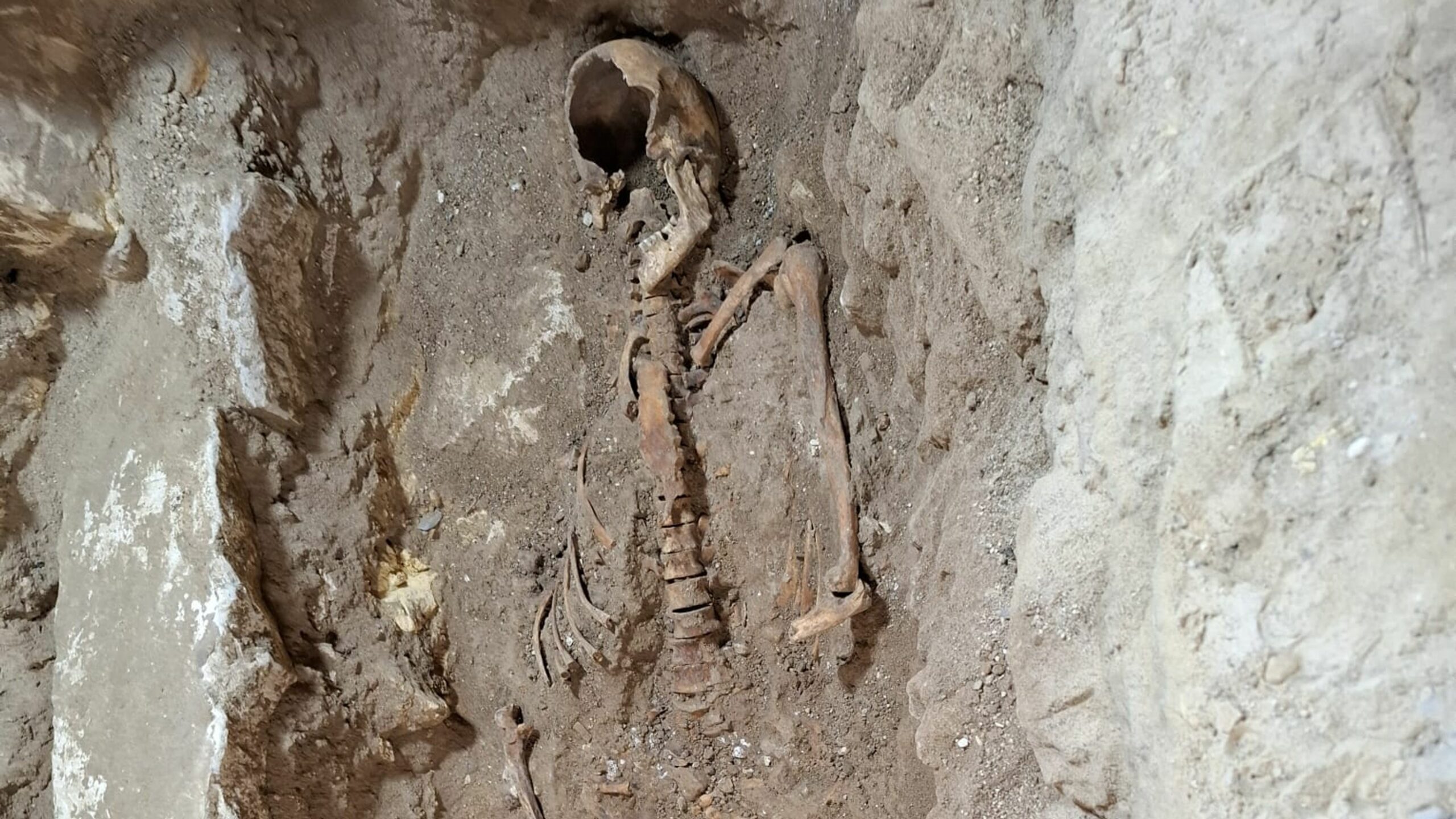
More DNA is needed to establish if skeleton is d’Artagnan
March 27, 2026
The skeleton in its grave. Photo: Stichting 6213 HL

An initial DNA test to try to establish if a skeleton found under a church in Maastricht is that of the “fourth musketeer” d’Artagnan has failed, local paper De Limburger said on Friday.

Two teeth from the skeleton had been sent to Munich for analysis but did not provide enough material for a clear result, the paper said. Experts are now trying to decide if part of the skull could be used as well.

The skeleton is currently in Deventer where it is being examined by researchers at the Saxion HBO college. One team is looking at the possible age of the skeleton and another at the cause of death and whether it is male or female.

Archaeologists recovered a musket ball from the skeleton, close to where the kidneys would have been, which would match an eyewitness report of his death in 1673, De Limburger said. Other reports suggest he was shot in the throat.

Charles de Batz de Castelmore, as d’Artagnan was formally known, was the leader of King Louis XIV’s elite corps of gentlemen and died in battle in 1673 during the French siege of Maastricht.

The find may prove a theory put forward by French historian Odile Bordaz in 2008, that d’Artagnan could have been buried “quickly as was usual in times of war” in the church adjacent to the French military camp in Wolder, a village next to Maastricht.

Share this article
  • Facebook
  • Twitter
  • LinkedIn
  • Reddit
  • Copy URL
Archaeology Maastricht
Thank you for donating to DutchNews.nl.

We could not provide the Dutch News service, and keep it free of charge, without the generous support of our readers. Your donations allow us to report on issues you tell us matter, and provide you with a summary of the most important Dutch news each day.

Make a donation
Latest
Show more
Americans turn out for “No Tyrants” protest in Amsterdam
Police arrest three men in connection with synagogue explosions
36,000 same-sex couples have tied the knot in 25 years in NL
Less sleep ahead: the clocks go forward on Saturday night
Podcast: The You Do Not Need A Token For This Podcast Edition
NewsHomeEconomyPoliticsArt and cultureSportEuropeSocietyEnvironmentHealthHousingLocal elections
Life in the NetherlandsLatestOpinionBooksTravel10 QuestionsLearning DutchInburgering with DNFood & DrinkAsk us anything
About usTeamDonateAdvertiseWriting for Dutch NewsContact usPrivacyNewsletter
© 2026 DutchNews | Cookie settings

Help us to keep providing you with up-to-date news about this month's Dutch general election.

Our thanks to everyone who donates regularly to Dutch News. It costs money to produce our daily news service, our original features and daily newsletters, and we could not do it without you.

If you have not yet made a donation, or did so a while ago, you can do so via these links

The DutchNews.nl team

Donate now

Dutchnews Survey

Please help us making DutchNews.nl a better read by taking part in a short survey.

Take part now