Feeling at home – and having one – top the Amstelveen issue list
Robin Pascoe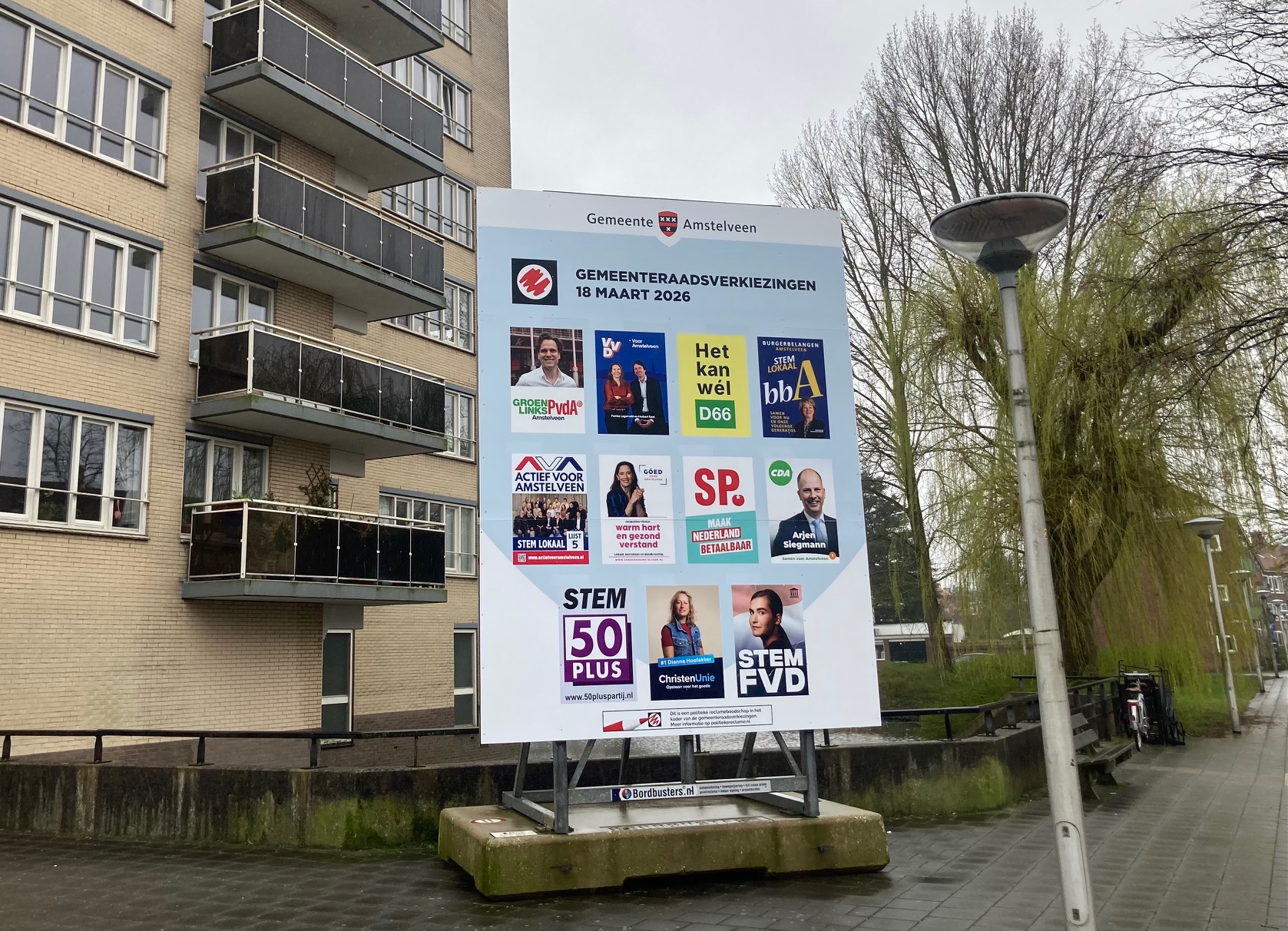
The Netherlands goes to the polls to vote for 342 local councils on March 18 and Dutch News is focusing on the campaigns in 10 towns and cities where most internationals live.
Eleven parties are competing for a place on the new local council for Amstelveen, including three local groupings, all of which have Amstelveen in their name. It is perhaps, a typical approach for an independent town which is often viewed as a suburb of Amsterdam, but which retains a strong sense of independence among its residents.
Talk to Amstelveners about what they consider the main issues of the local elections and the housing crisis invariably comes up, as does the issue of foreigners. “Many locals no longer feel at home in their neighbourhoods,” is a common complaint.
Nevertheless, a skip through the election manifestos turns up little focus on the town’s international population per se – rather talk of improving social cohesion and developing “colourful meet-ups”.
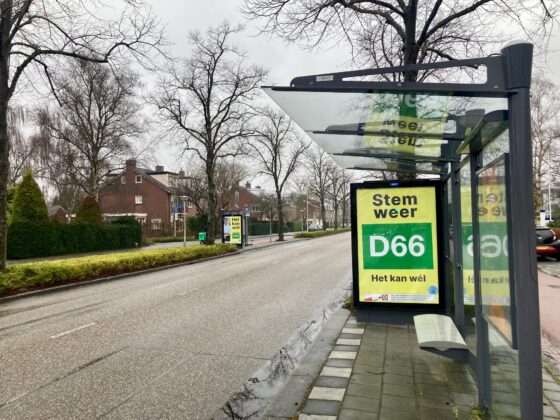
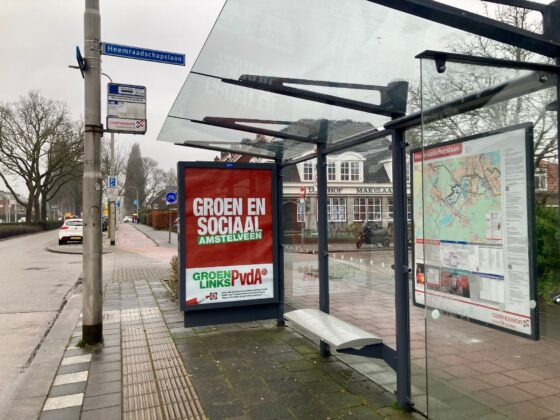
Drive through Amstelveen on a wet early spring day and it is hard to find much evidence of a political campaign. On Thursday night, however, community organisation Bridging the Gap is organising an English municipal election information evening about the elections, to make sure the nearly 9,000 foreign nationals who can vote are up to scratch on the issues. Eight parties will be taking part.
Bridging the Gap’s founder Ritika Mehra says her aim is to encourage the international community to get out and vote because if they do, they become a demographic and that means they are taken into account by political parties when it comes to issues like healthcare and education.
“Pressure on the housing market is the biggest issue, but this is a national thing as well,” she says of the current hot topics in Amstelveen. “Fatbikes are an issue too. They come at you so quickly… There is also pressure on schools. Kids don’t always get their choice of secondary school. And then of course, there is having connections with your neighbours – whether they are locals or internationals.”
Jacqueline Höcker, from Goed voor Amstelveen, says it is the international community – the town has 147 different nationalities – that is pressuring the housing market and services and that social cohesion is worsening, particularly in some neighbourhoods.
“It needs attention,” she tells Dutch News, while pointing to the success of local Diwali celebrations and the boom in food trucks and home food initiatives in which neighbours cook for each other.
Shopping centre
Arjen Siegmann, campaign leader for the Christian Democratic party CDA, is his party’s sole representative on the 37 council but has high hopes of winning more seats on the back of the party’s nationwide success. “Amstelveen is much more than one big shopping centre,” he tells Dutch News.
There are also tensions with Amstelveen’s big city neighbour Amsterdam. Lennart de Looze, local leader for GroenLinks is angry that Amsterdam is getting a three kilometre tunnel as part of the A9 expansion plans and Amstelveen just three short roofed-in sections of road. “It’s a missed opportunity,” he told local media. “We should have fought harder.”
The Amsterdamse Bos, the large area of woodland popular with Amsterdammers and Amstelveners alike, is also a source of contention. It may be named and run by the capital, but the land belongs to Amstelveen and that has caused friction when it comes to event permits.
Amstelveen’s plans for an asylum seeker centre on a small piece of land almost surrounded by Uithoorn is also another local row in the making. The presence of Schiphol airport, its noise and impact on building new housing is also high on the list of concerns.
Ritika Mehra’s father Rajiv Mehra was one of the first Indian nationals to move to Amstelveen some 38 years ago and is lijstduwer – the ceremonial “last candidate” – for the VVD.
“The major issues are security, safety and healthcare, which cuts across multiple levels,” he says. “From there, there are many smaller, more grassroots issues. They want affordable international schooling, which is not there… although I would encourage them to go to local schools, which are very good.”
“I tell the internationals to go out and integrate. Talk your neighbours, invite them over… you might not integrate as such but at least you are having a dialogue.”
Amstelveen key facts
Current council administration: VVD, D66, PvdA and Goed voor Amstelveen
Council seats: 37
Residents eligible to vote in the municipal elections: 67,675
Dutch: 58,919
EU citizens: 5,337
Non-EU citizens: 3,419
Party information in English:
Goed voor Amstelveen
CDA
ChristenUnie
PvdA
Events for internationals
“Bridging the Gap” is organising an English municipal election information panel on March 12 from 7.30pm, featuring parties and an open session for questions.
Additional research by Eden Tweedie
Thank you for donating to DutchNews.nl.
We could not provide the Dutch News service, and keep it free of charge, without the generous support of our readers. Your donations allow us to report on issues you tell us matter, and provide you with a summary of the most important Dutch news each day.
Make a donation